
Get multiple quotes from sellers!
India's MSMEs are increasingly looking beyond domestic markets, and for good reason - exporting opens access to buyers willing to pay for quality, consistency and reliability that can be harder to find in a crowded local market. But starting an export business involves more than finding a buyer and shipping a box; getting the fundamentals right early saves significant time and money later.
Before anything else, your business needs a legal structure (proprietorship, partnership, LLP or private limited company) and GST registration. Exporters typically register under the Letter of Undertaking (LUT) scheme, which allows goods to be exported without paying IGST upfront.
The IEC, issued by the Directorate General of Foreign Trade (DGFT), is mandatory for any business that wants to import or export goods and services commercially. Without it, customs will not clear your shipment.
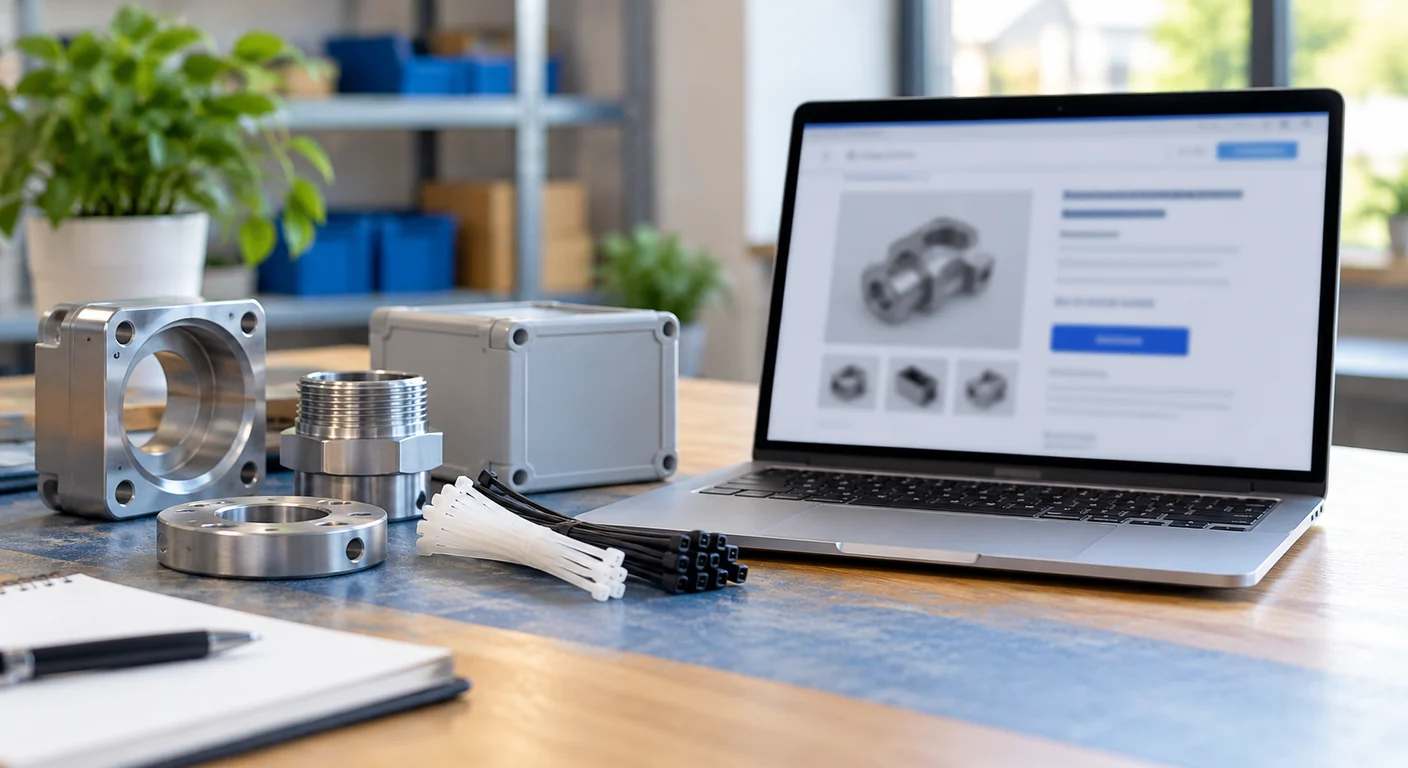
A B2B marketplace is often the fastest way to connect with genuine international buyers without the upfront cost of trade shows or agents. Look for platforms that verify both suppliers and buyers, since unverified listings are a common source of fraud in early-stage export relationships.
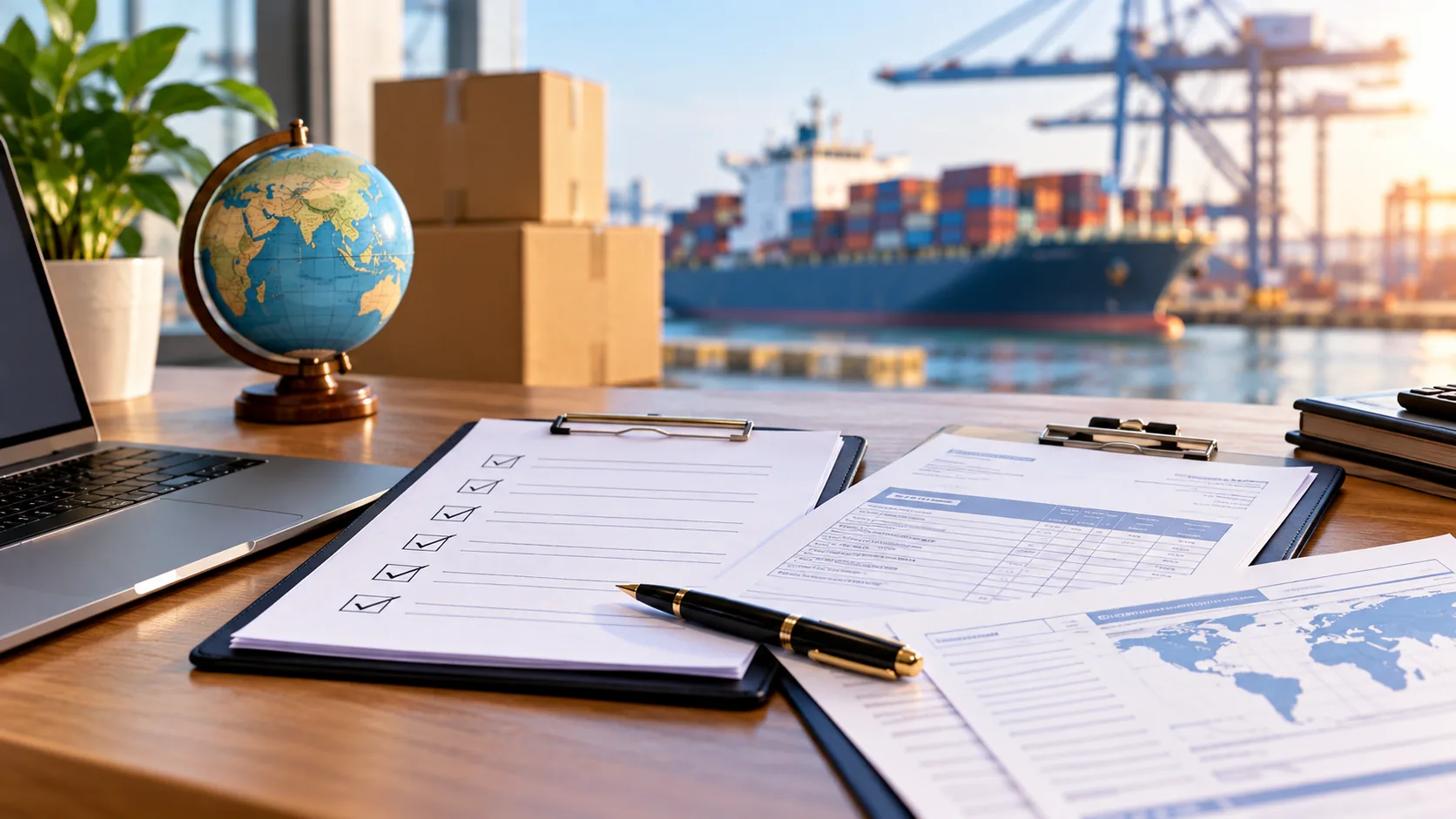
Commercial invoice, packing list, bill of lading or airway bill, certificate of origin, and any product-specific certifications (phytosanitary, FSSAI, BIS, etc.) all need to be accurate and consistent with each other - mismatches are one of the most common causes of shipment delays at customs.
Exporting is a process, not a single transaction. Building a reputation for reliable documentation and on-time delivery is what turns a first order into a repeat relationship.


Go Mobile


Connect with us


Change Language
