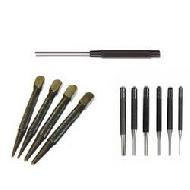
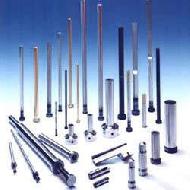
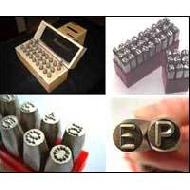
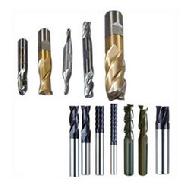
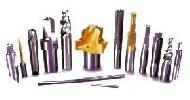
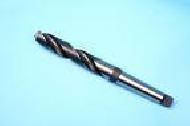
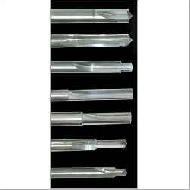
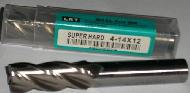
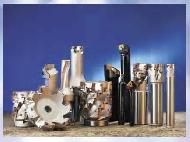
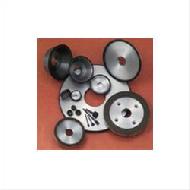
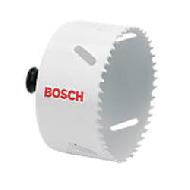
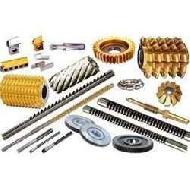
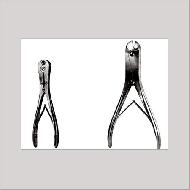
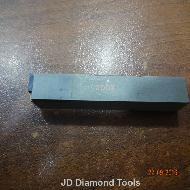
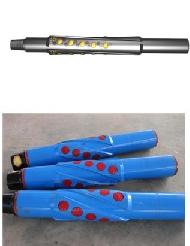
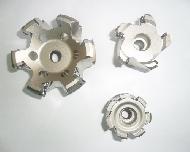
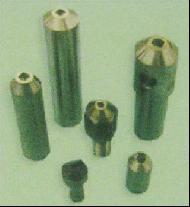
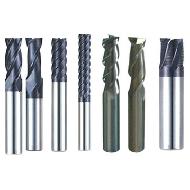
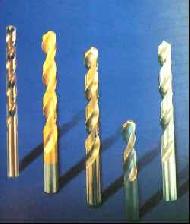
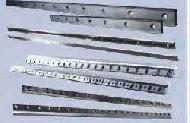
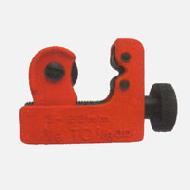
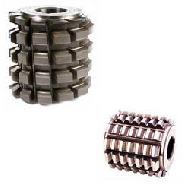
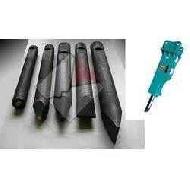
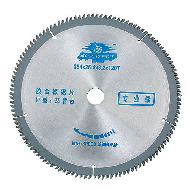
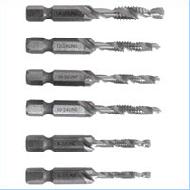
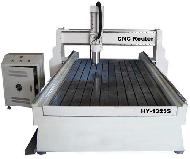
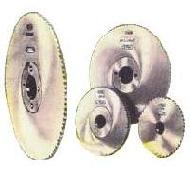
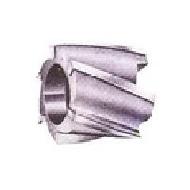
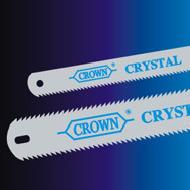
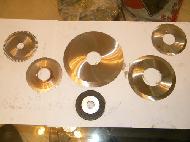
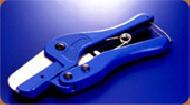
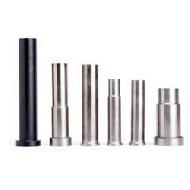
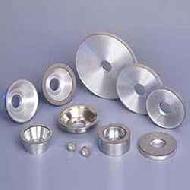
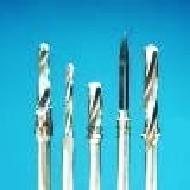
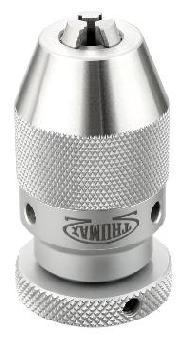
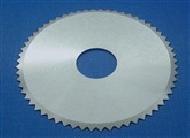
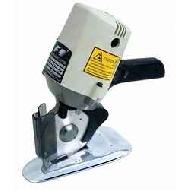
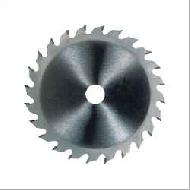
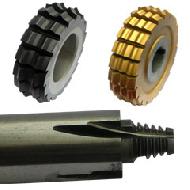
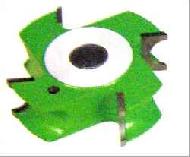
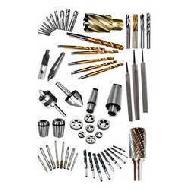
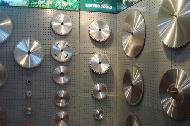
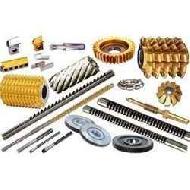
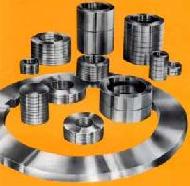
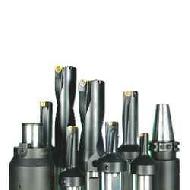
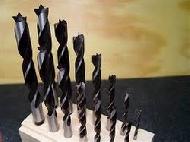
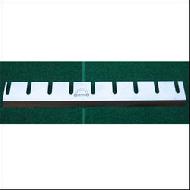
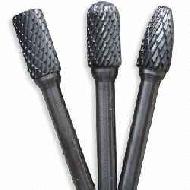
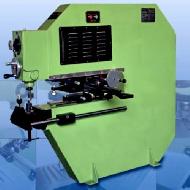
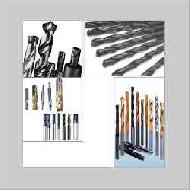
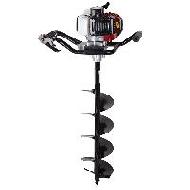
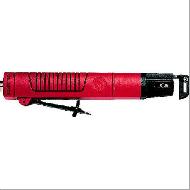
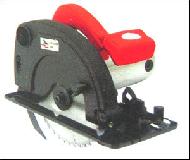
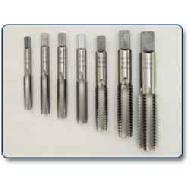
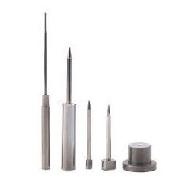
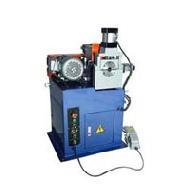
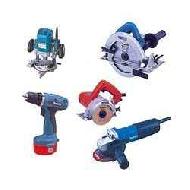
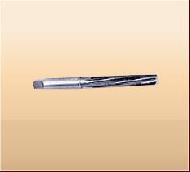
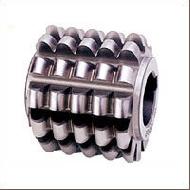
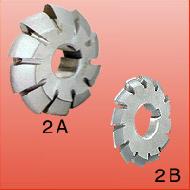
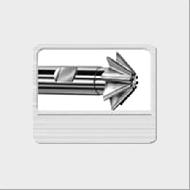
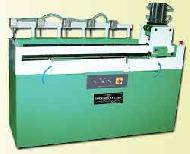
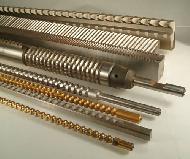
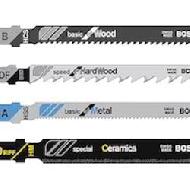
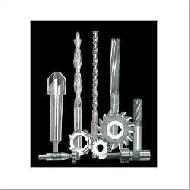
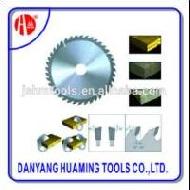
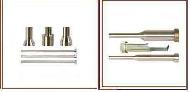
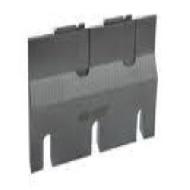
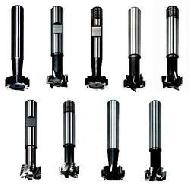
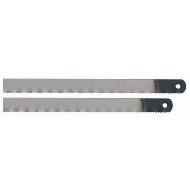
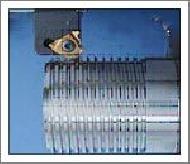
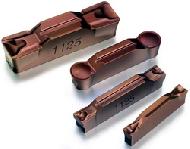
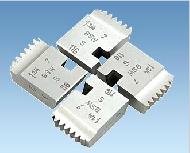
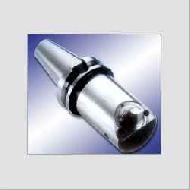
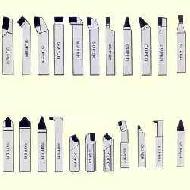
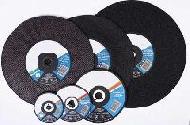
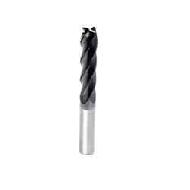
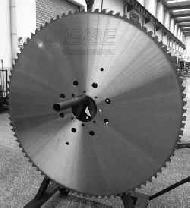
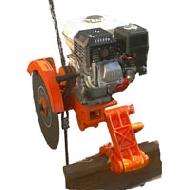
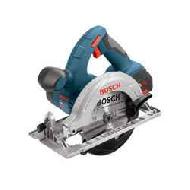
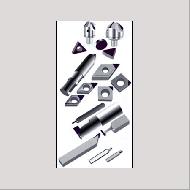
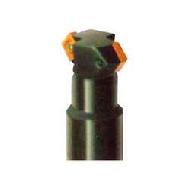
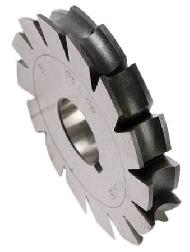
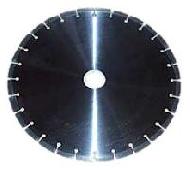
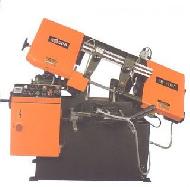
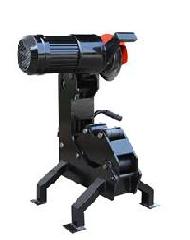
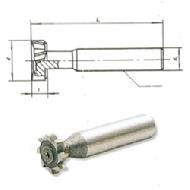
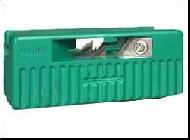
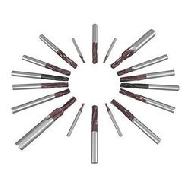
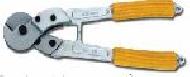
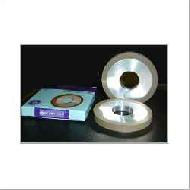
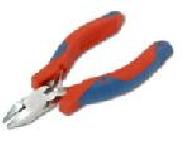
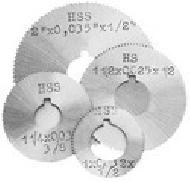
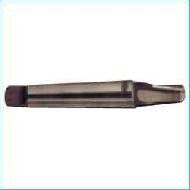
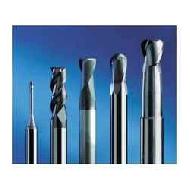
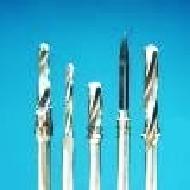
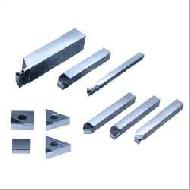
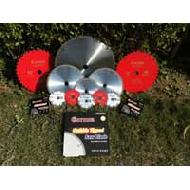
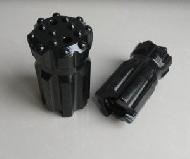
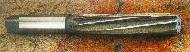
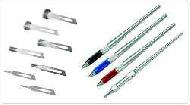
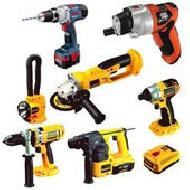
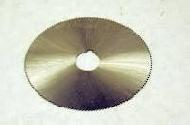
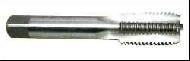
Source cutting tools — drill bits, end mills, milling cutters, saw blades, taps, dies, reamers and carbide inserts — from suppliers, manufacturers and exporters listed on Click4Exports for wholesale, bulk and OEM B2B procurement across machining and metalworking.
Cutting tools are the tools and consumable tooling used to remove material from a workpiece by cutting, drilling, milling, turning, threading or sawing. They are the parts that make the cut, as opposed to the machines that drive them or the manual tools used by hand. On Click4Exports, the Cutting Tools category connects B2B buyers with suppliers, manufacturers and exporters of cutting tools for machining, metalworking, fabrication and general engineering. Buyers can compare tool types and materials, share exact requirements and request quotations for wholesale, bulk or OEM volumes.
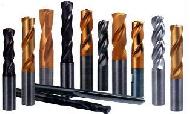
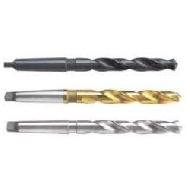
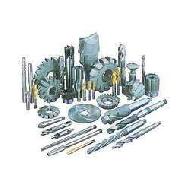
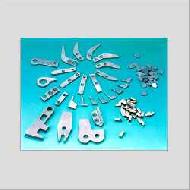
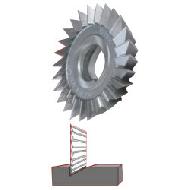
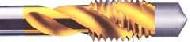
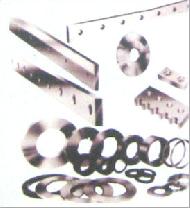
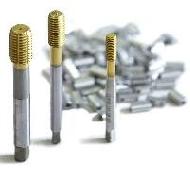
Cutting tools are usually grouped by the operation they perform. Identifying the type you need makes it easier to shortlist the right supplier:
The tool material affects speed, tool life and the workpiece it can cut. Frequently requested options include high-speed steel (HSS), which is tougher and can be re-sharpened; solid carbide and carbide-tipped tools, which run at higher speeds and cut harder materials; and coated tools where a surface coating extends life. The right material depends on the workpiece and operation, so buyers should confirm the grade and any coating with the supplier.
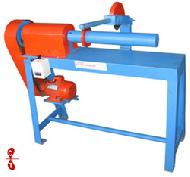
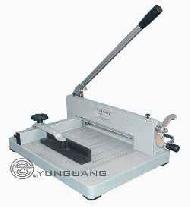
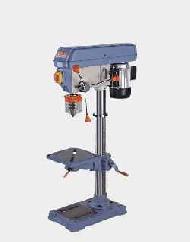
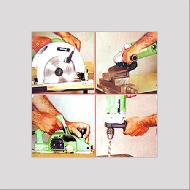
Cutting tools are the tooling that removes material. The powered or bench machines that hold and drive that tooling are machine tools, and manually operated tools sit under hand tools. Milling and grinding consumables are grouped under milling and grinding tools. All of these sit within Tools & Equipment on Click4Exports, so buyers can route a request to the category that matches the work.
Cutting tool selection depends on the operation and the material, not the name alone. To receive accurate, comparable quotations, buyers should provide:
Cutting tools are used across CNC and conventional machining, metal fabrication, automotive and engineering component manufacture, moulds and dies, and woodworking. Because tools wear, many buyers set up repeat and consumable supply rather than one-off purchases.
The Cutting Tools category is aimed at B2B procurement — production tooling, plant maintenance and distributor stock. Buyers can request wholesale and bulk quantities, compare offers from multiple businesses, and discuss repeat supply. Where tools are needed to a drawing or under a buyer's own brand, ask the supplier whether they support custom or OEM production, since this varies by business.
Click4Exports lists cutting tool suppliers, manufacturers and exporters together, so buyers can shortlist by the products offered and the role that fits their sourcing — trade supply, direct manufacturing or export. This lets a buyer route a maintenance purchase, a production tooling requirement or an export order to the businesses best suited to it.
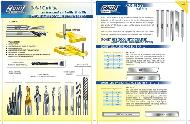
Cutting tools are the tools and consumable tooling that remove material from a workpiece by drilling, milling, turning, threading, reaming or sawing. They are distinct from the machines that drive them and from manually operated hand tools. Common types include drills, end mills, turning inserts, taps, dies, reamers and saw blades, supplied in materials such as HSS and carbide for machining, fabrication and engineering work.
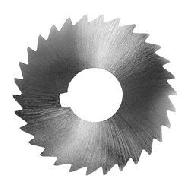
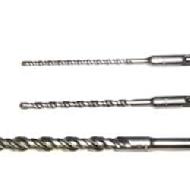
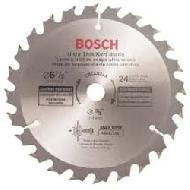
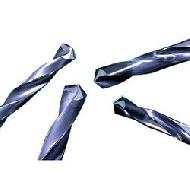
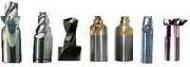
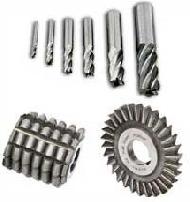
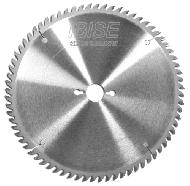
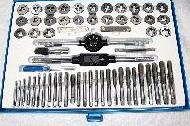
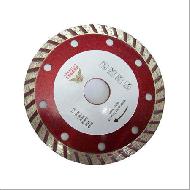
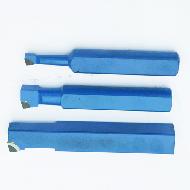
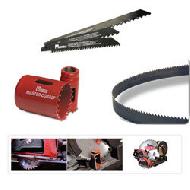
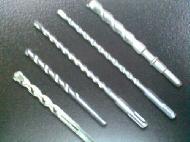
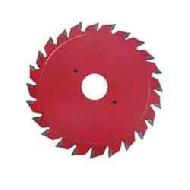
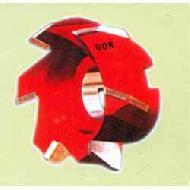
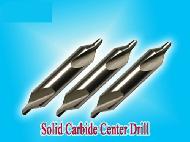
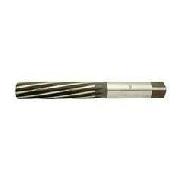
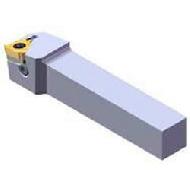
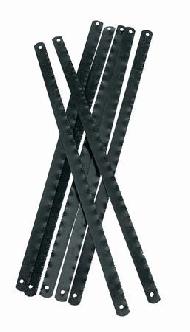
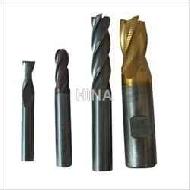
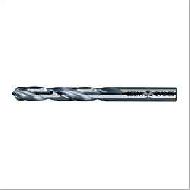
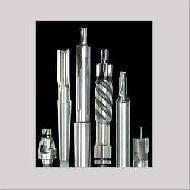
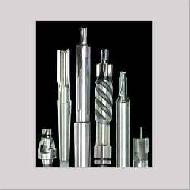
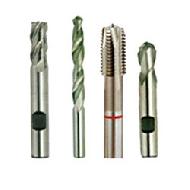
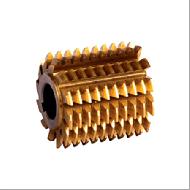
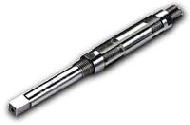
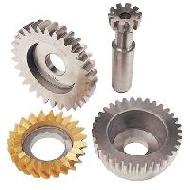
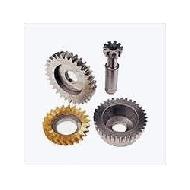
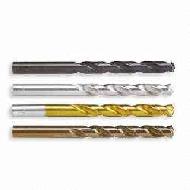
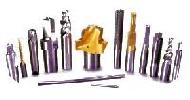
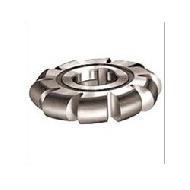
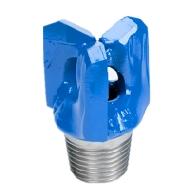
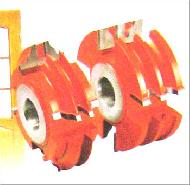
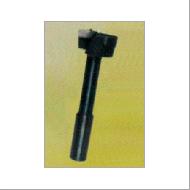
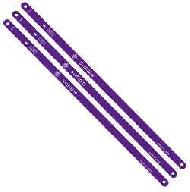
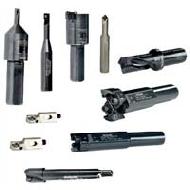
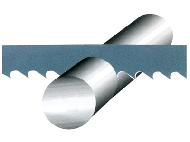
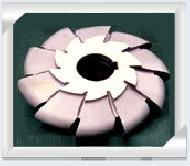
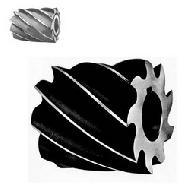
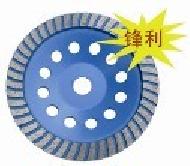
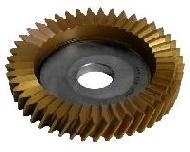
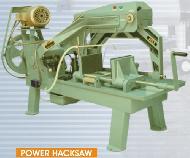
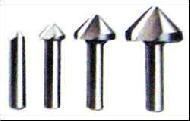
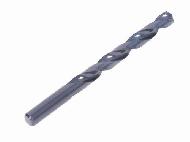
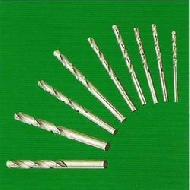
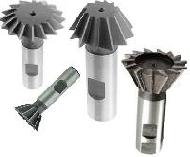
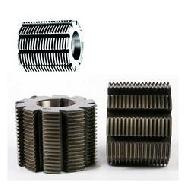
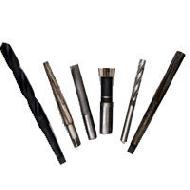
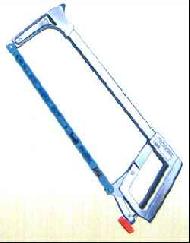
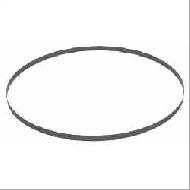
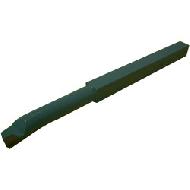
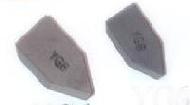
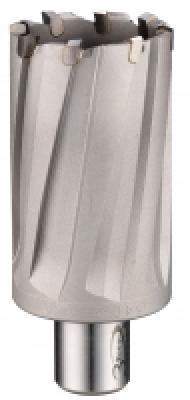
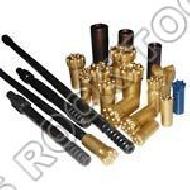
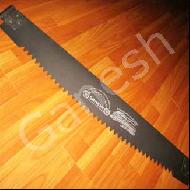
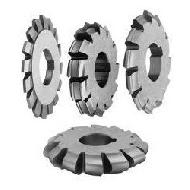
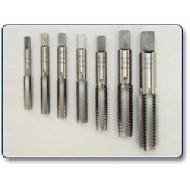
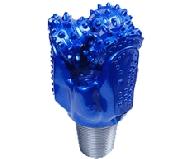
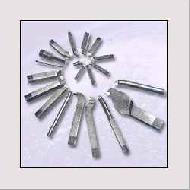
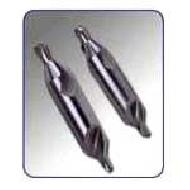
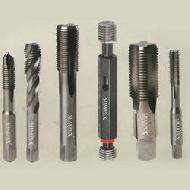
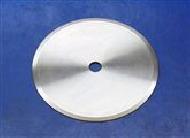
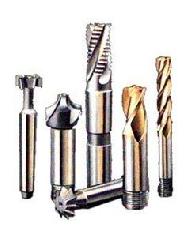
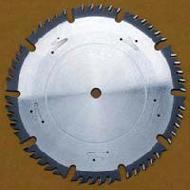
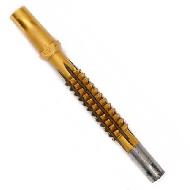
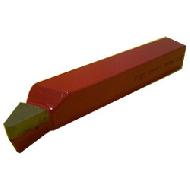
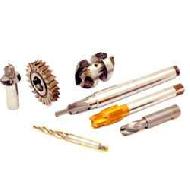
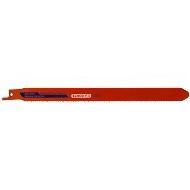
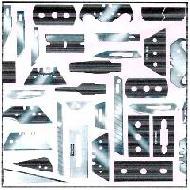
Commonly sourced types include twist and carbide drills, end mills and milling cutters, single-point turning tools and indexable inserts, taps and dies for threading, reamers for finishing holes, and circular, band and hacksaw blades. The right type depends on the operation and the workpiece material, so confirm the exact specification and grade with each supplier when requesting a bulk quotation.
High-speed steel (HSS) is tougher, more forgiving and can be re-sharpened, which suits many general workshop tasks. Solid carbide and carbide-tipped tools are harder, run at higher speeds and cut harder materials, but are more brittle. The best choice depends on the workpiece, the operation and the machine, so buyers should describe the application and ask the supplier to confirm the grade and any coating.
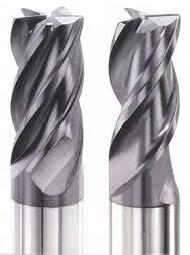
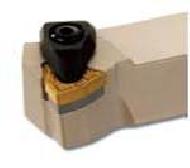
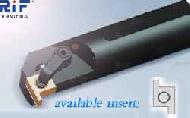
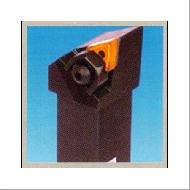
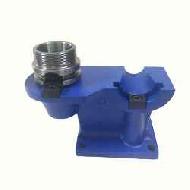
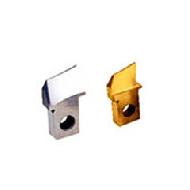
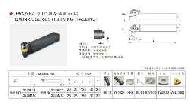
CNC machining commonly uses solid carbide end mills and drills, indexable insert tooling for turning and milling, and matching tool holders. The exact tooling depends on the machine, the operation and the material being cut. Buyers should share the workpiece material, operation and machine details, and confirm insert designations and holder compatibility with the supplier.
State the tool type and operation, the dimensions (diameter, length, shank, flutes or insert designation), the tool material and any coating, and the workpiece material. Where it matters to your market, ask whether the tool meets a dimensional or grade standard, and give the quantity you need. Providing these details up front lets suppliers, manufacturers and exporters return accurate, comparable quotations.
Yes — the Cutting Tools category is intended for B2B, wholesale and bulk procurement, including production tooling, maintenance and distributor stock. Buyers can request wholesale quantities, compare offers and discuss repeat or contract supply. For custom or own-brand tools, ask the supplier whether they support custom grinding or OEM production, as this capability, along with minimum order quantity and pricing, varies between businesses.
Treat quality as questions for the supplier: ask about the tool material and grade, coating, dimensional tolerance and how they inspect or document it. For export orders, confirm packaging, marking and the commercial trade documents needed for your destination. Because these details vary by product and business, confirm them in writing before placing a bulk order.
Go Mobile


Connect with us