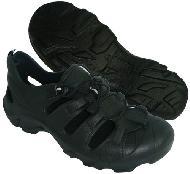
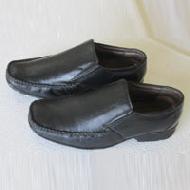
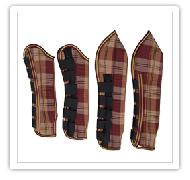
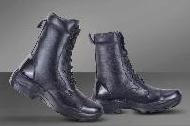
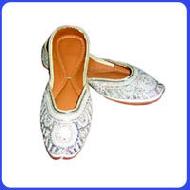
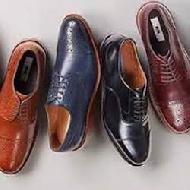
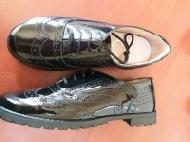
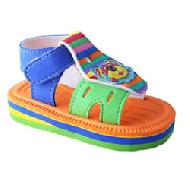
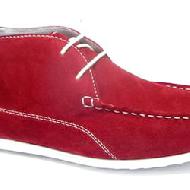
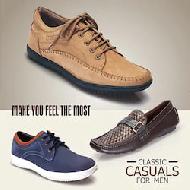
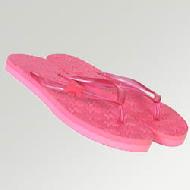
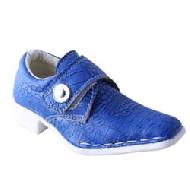
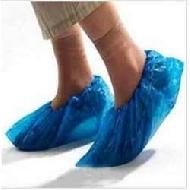
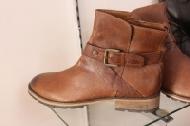
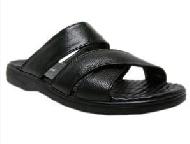
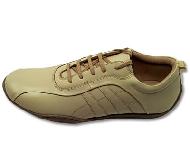
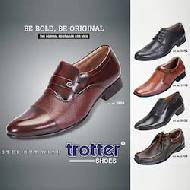
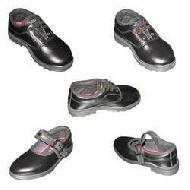
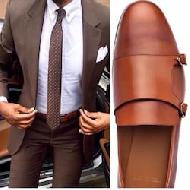
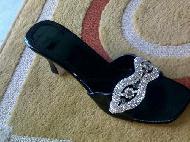
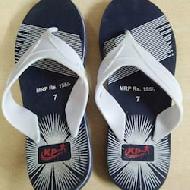
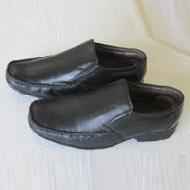
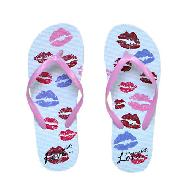
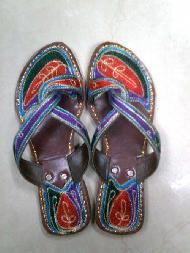
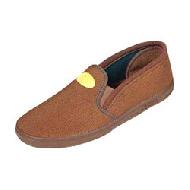
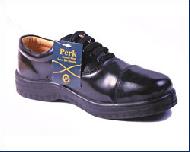
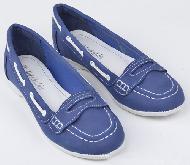
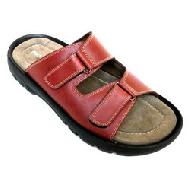
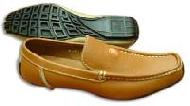
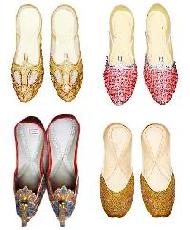
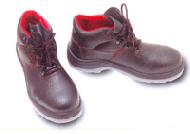
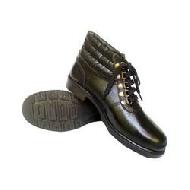
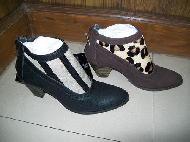
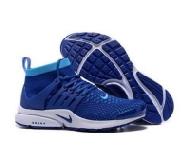
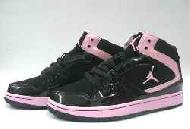
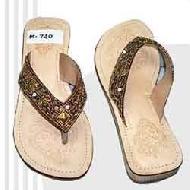
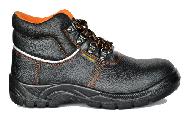
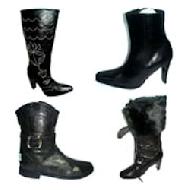
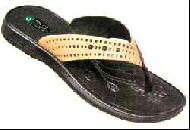
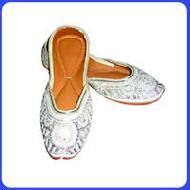
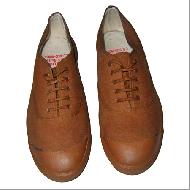
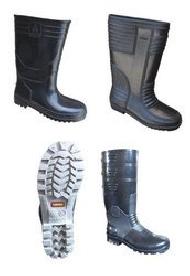
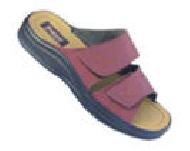
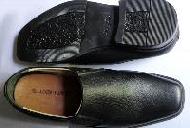
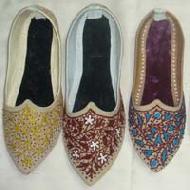
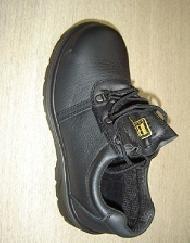
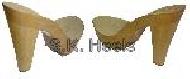
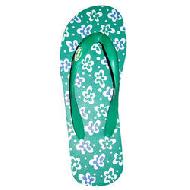
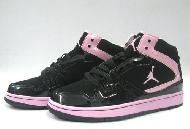
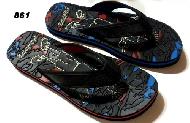
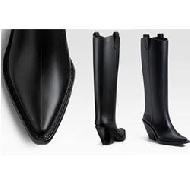
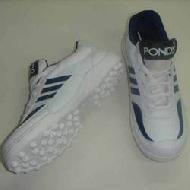
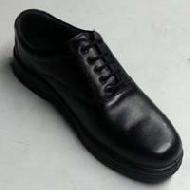
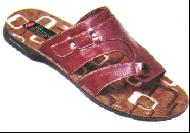
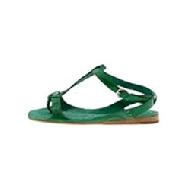
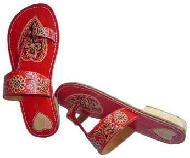
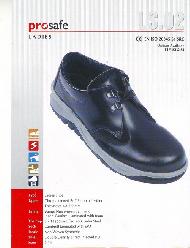
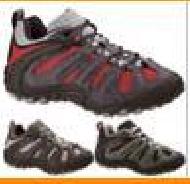
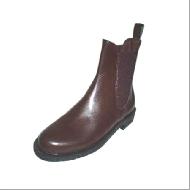
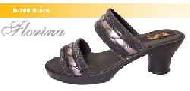
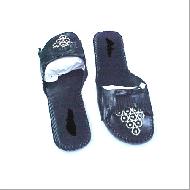
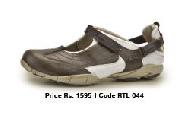
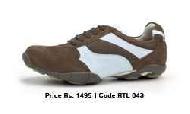
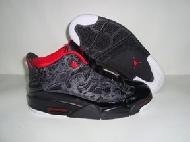
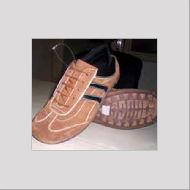
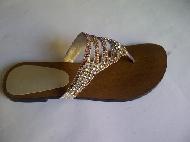
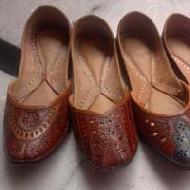
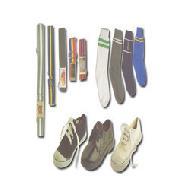
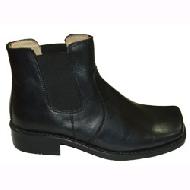
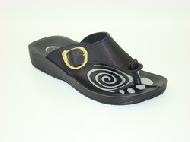
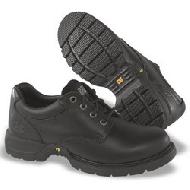
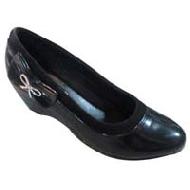
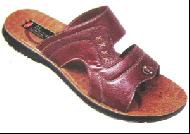
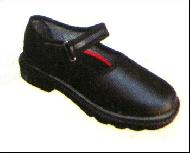
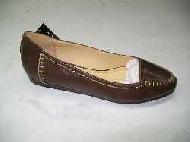
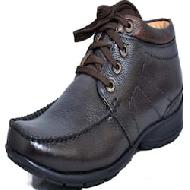
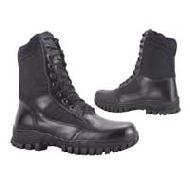
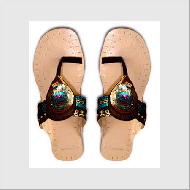
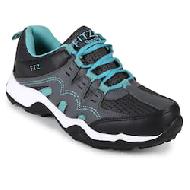
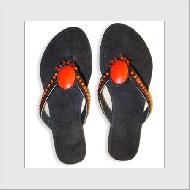
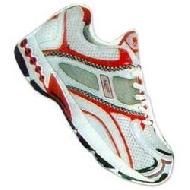
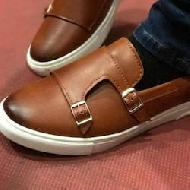
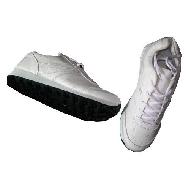
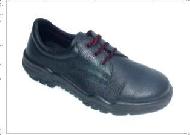
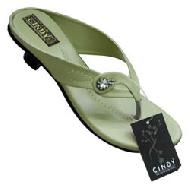
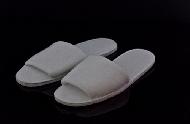
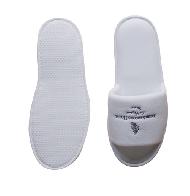
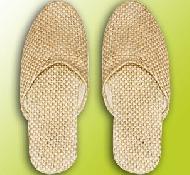
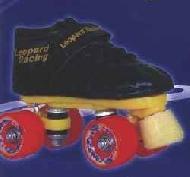
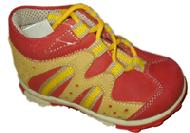
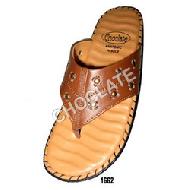
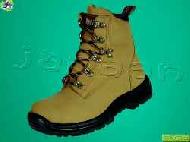
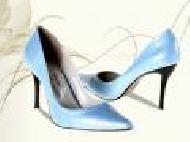
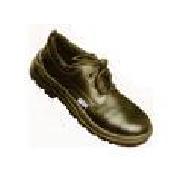
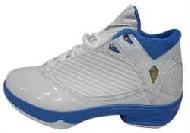
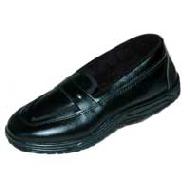
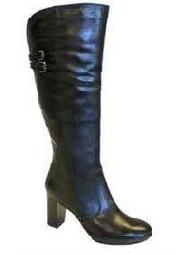
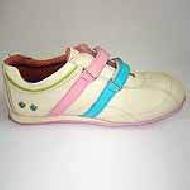
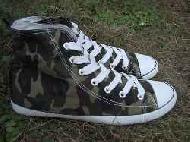
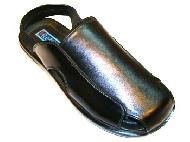
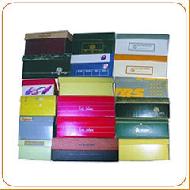
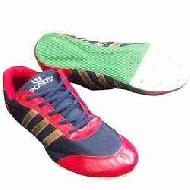
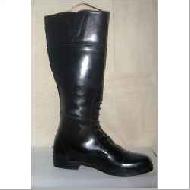
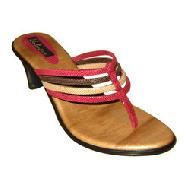
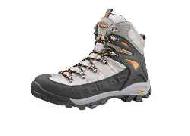
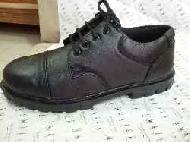
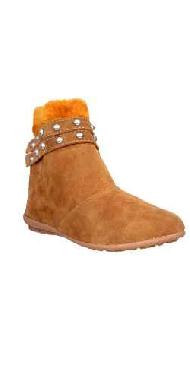
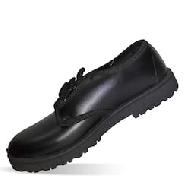
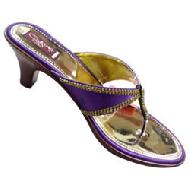
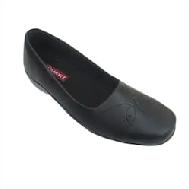
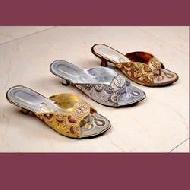
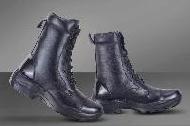
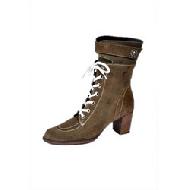
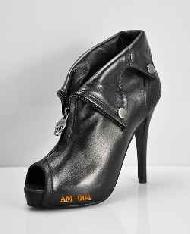
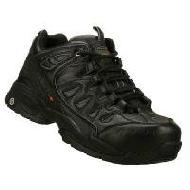
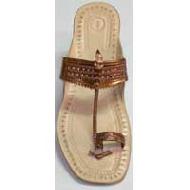
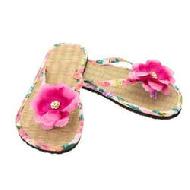
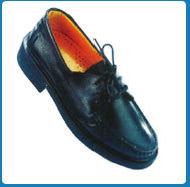
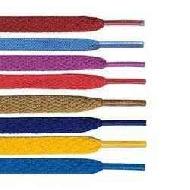
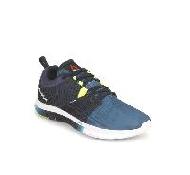
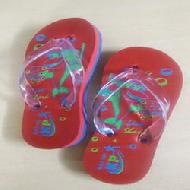
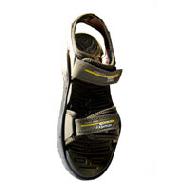
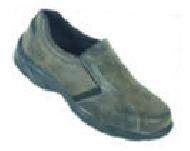
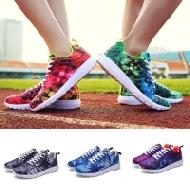
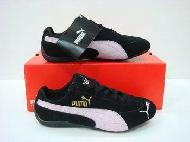
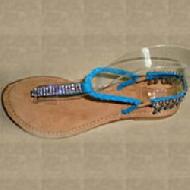
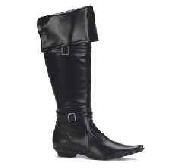
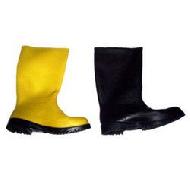
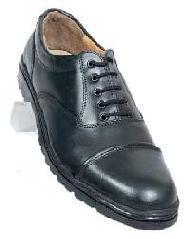
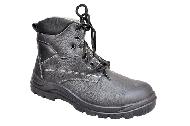
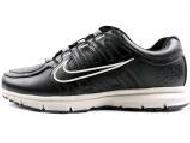
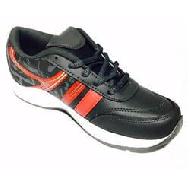
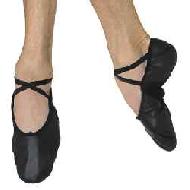
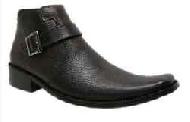
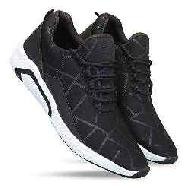
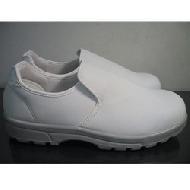
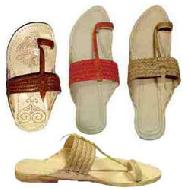
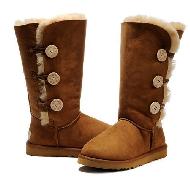
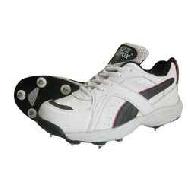
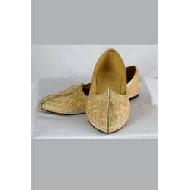
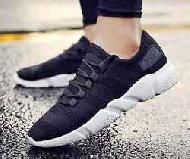
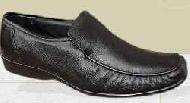
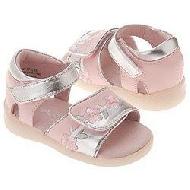
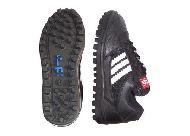
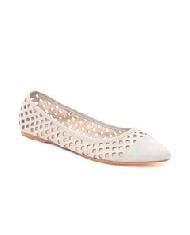
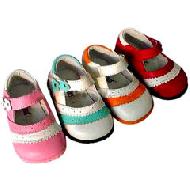
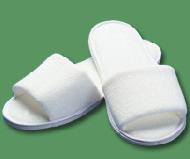
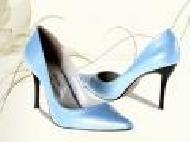
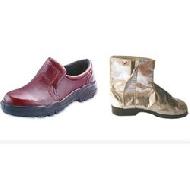
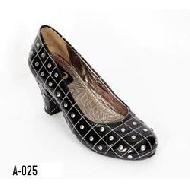
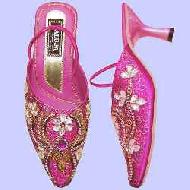
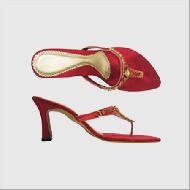
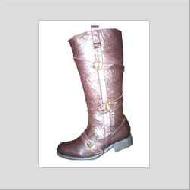
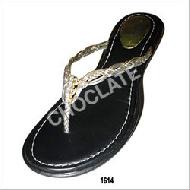
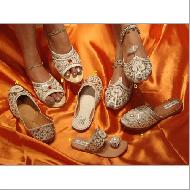
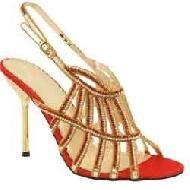
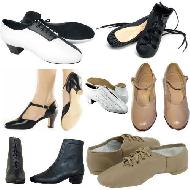
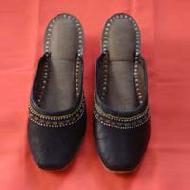
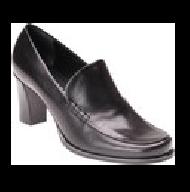
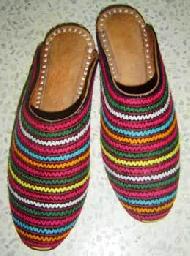
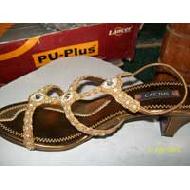
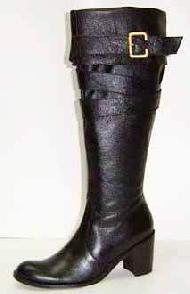
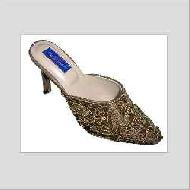
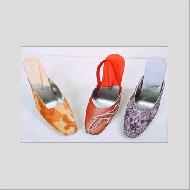
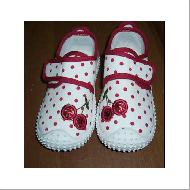
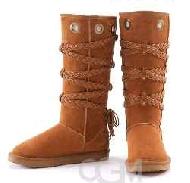
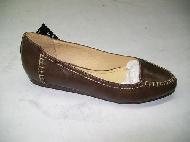
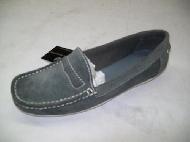
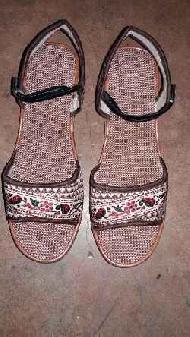
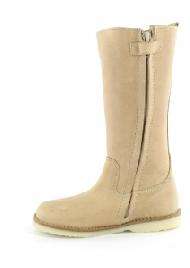
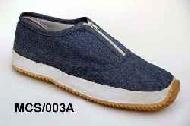
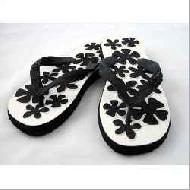
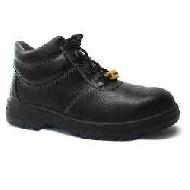
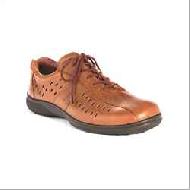
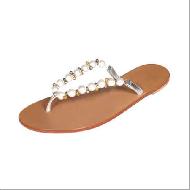
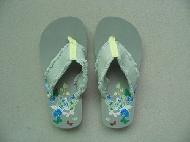
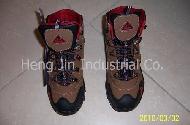
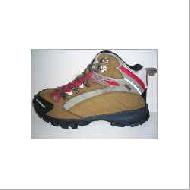
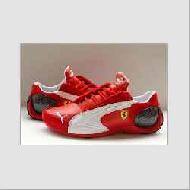
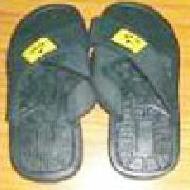
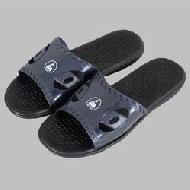
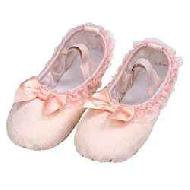
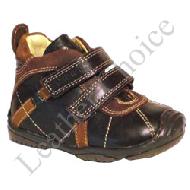
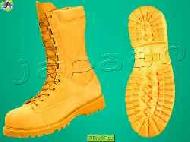
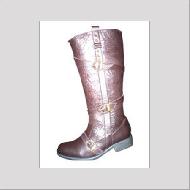
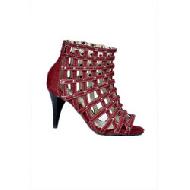
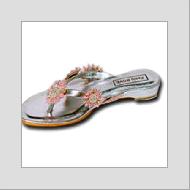
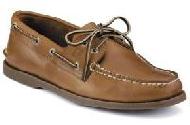
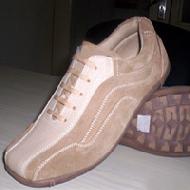
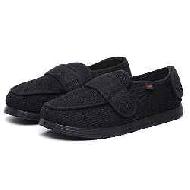
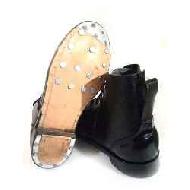
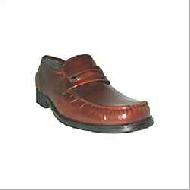
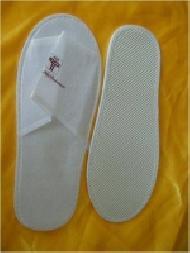
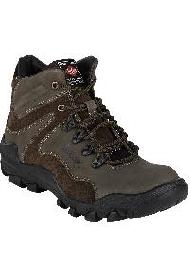
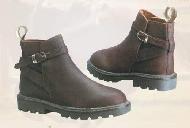
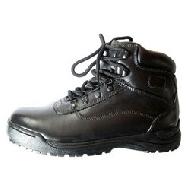
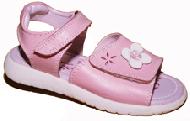
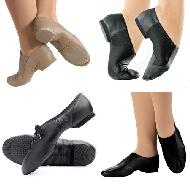
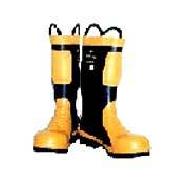
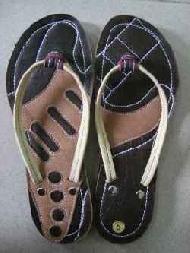
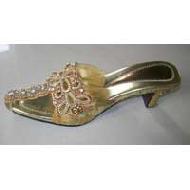
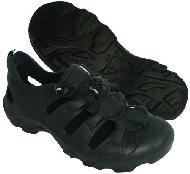
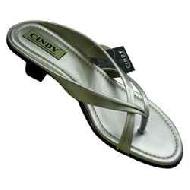
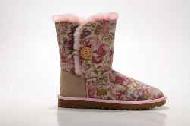
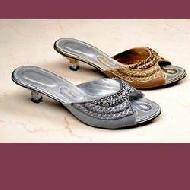
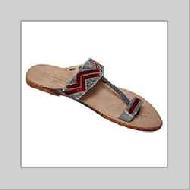
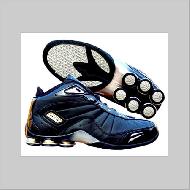
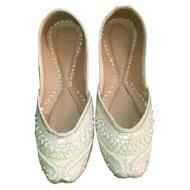
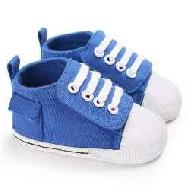
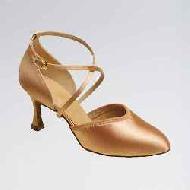
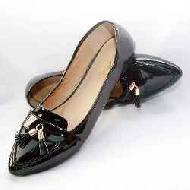
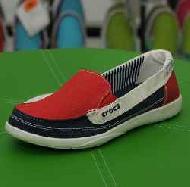
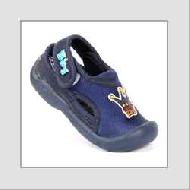
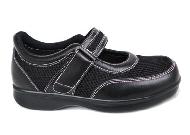
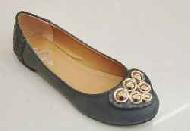
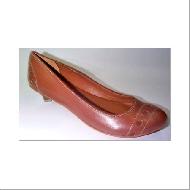
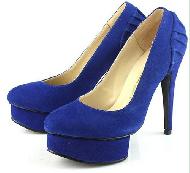
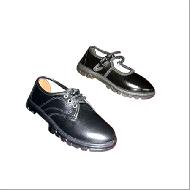
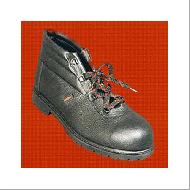
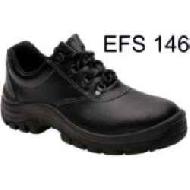
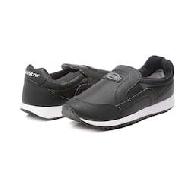
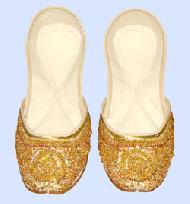
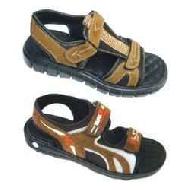
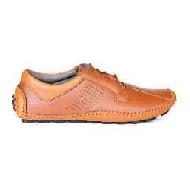
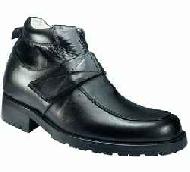
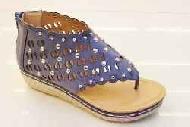
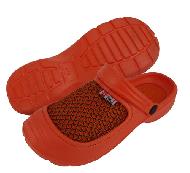
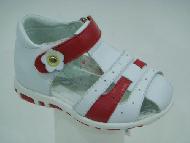
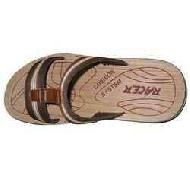
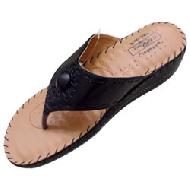
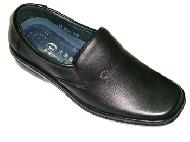
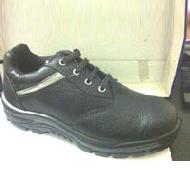
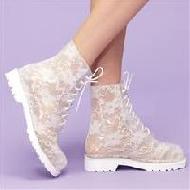
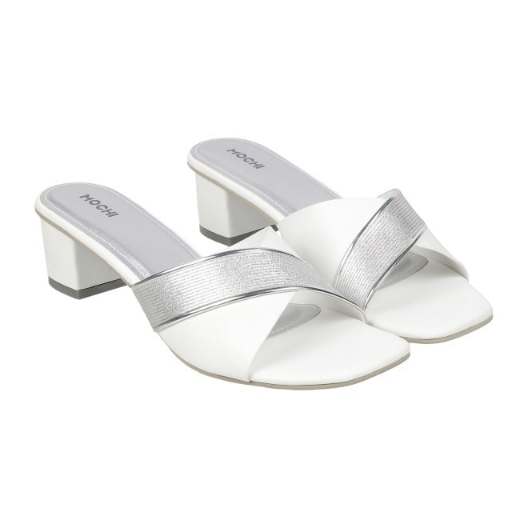
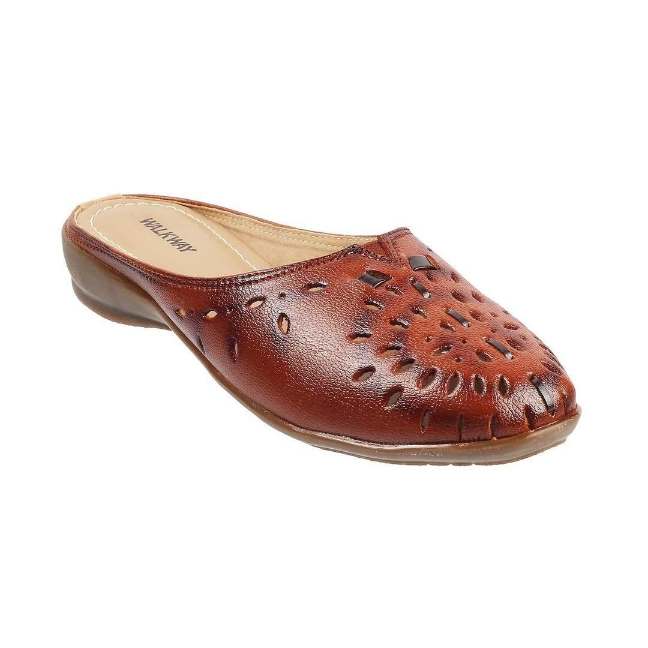
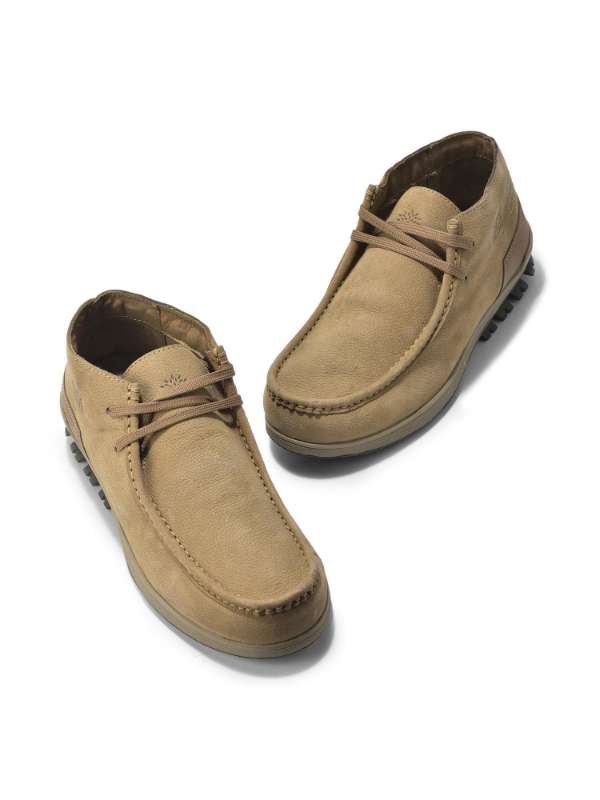
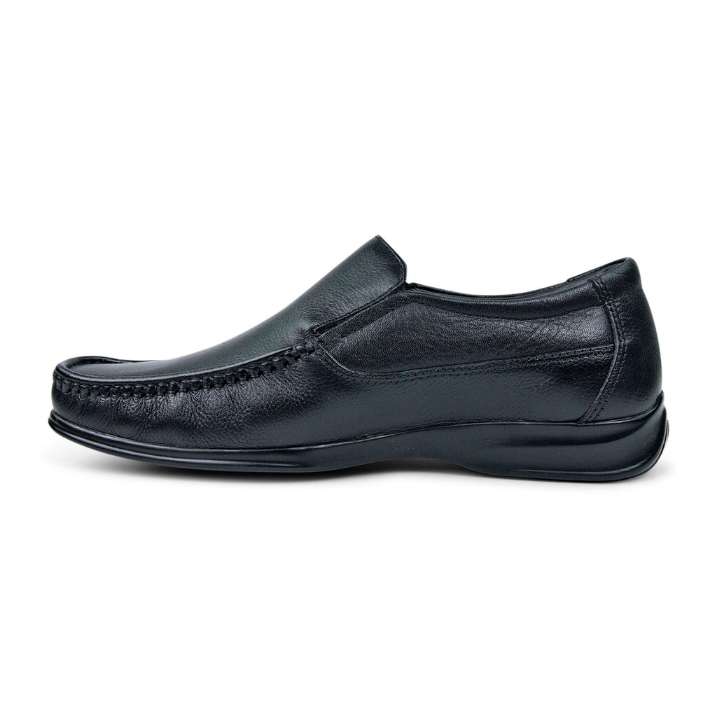
Source footwear from manufacturers, suppliers and exporters, including dress shoes, casual shoes, boots, sandals, slippers, and women's and children's styles.
Footwear covers shoes, boots, sandals, slippers and related foot-worn products made for everyday, dress, work and leisure use. Importers, wholesalers, retailers and brand owners can use this category to find manufacturers, suppliers and exporters of footwear for men, women and children, for ready ranges, private-label programmes and bulk orders. It is part of Apparel & Fashion, but footwear is sourced differently from garments because it is built on lasts and sized by foot length, with its own construction and fit considerations.
Everyday clothing is sourced under Casual Wear, and swimwear and cover-ups are under Beachwear. Socks, gloves, headwear, wallets and other accessories, as well as footwear machinery and shoe-making materials, are sourced separately. This page focuses on finished footwear.
Product ranges differ from one supplier to another, so confirm availability on enquiry. Common groups include:
Footwear is made from several components, and each can use different materials. Uppers are commonly leather, suede, canvas, textile or knit fabrics, mesh or synthetic leather. Linings and insoles may use leather, textile or foam, and outsoles are often rubber, thermoplastic or other synthetic compounds, with foam midsoles in many casual and sports-style shoes. Ask for the material of each component rather than a general description such as "synthetic" or "leather-look".
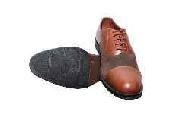
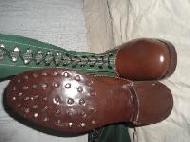
Construction methods also differ. Cemented construction bonds the upper to the sole with adhesive and is common in many casual and fashion styles. Stitched methods such as Blake or Goodyear welt sew the sole or a welt to the upper and are more associated with dress shoes and boots that can be resoled. Vulcanised construction bonds rubber soles under heat and is used for some canvas and sneaker styles. Confirm which method the supplier uses for each style, and request test information if you need specific properties such as slip resistance or water resistance, rather than assuming them.
Footwear is built on a last, the shaped form that determines the interior shape and fit of the shoe. Size systems differ by market, including UK, US, EU and Mondopoint, which is based on foot length in millimetres, and the same number can fit differently between lasts and styles. Request a size chart that shows the system used, the foot or last length for each size, and width fittings where offered, and confirm the size range for women, men and children. Agree the size run and the quantity split across sizes, and check a fit sample for each new last or style before bulk production. Children's footwear usually needs separate size and fit checks.
Many manufacturers and exporters work from buyer designs, reference samples or a technical pack, and some also offer ready styles for selection. Customization can include colours and materials, logos and branding, labels, insoles, packaging and boxes. Availability depends on the supplier and the style. Share clear design details such as reference images, material preferences, colour references and size range so the supplier can quote and sample accurately.
For private-label orders, confirm labelling, branding placement, box and packaging requirements, and how reorders will be handled. Footwear orders are normally planned by style, colour and size run, so ask how the supplier handles mixed assortments and what size ratio applies. Pricing, quantity terms and delivery timing vary by supplier and should be confirmed in the quotation.
Approve a sample made with the actual materials and construction before bulk production, and compare it with your specification. Check stitching and bonding, fit and comfort, sole attachment, flexibility, colour match, finishing and the quality of trims and fastenings. Ask how quality is checked during and after production, including whether an inspection standard is used, and request any test reports your market requires.
Check that the supplier has experience with the footwear types, materials and construction methods you need, and ask whether production is in-house or partly subcontracted. Review samples and size charts, ask how consistency across production lots is managed, and see how clearly they communicate on customization. If you need test reports or certifications for your market, request them directly and verify them instead of relying on general claims.
Confirm how pairs will be packed, for example in individual boxes, with tissue or inserts to keep their shape, and how cartons are arranged by style, size and colour. Ask how leather and other moisture-sensitive materials are protected in transit. Material, labelling and documentation requirements for footwear can differ by destination, so buyers should confirm them with their importer, customs broker or the relevant authority, and agree shipping terms with the supplier before ordering.
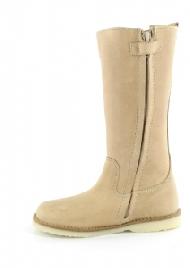
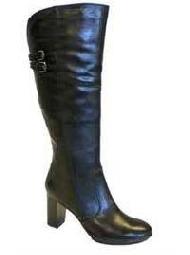
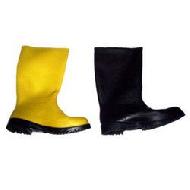
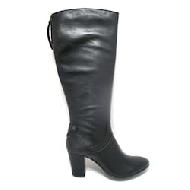
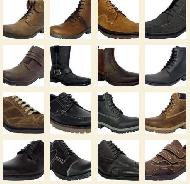
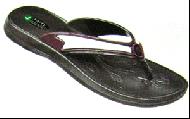
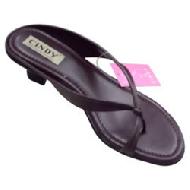
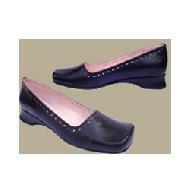
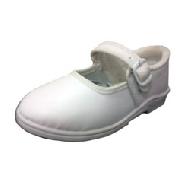
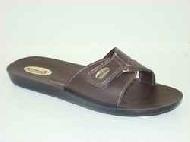
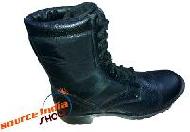
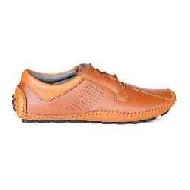
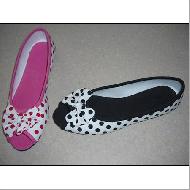
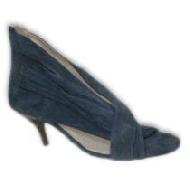
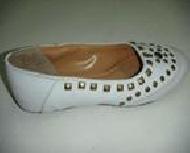
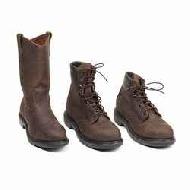
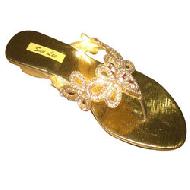
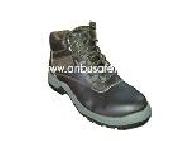
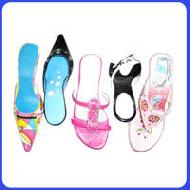
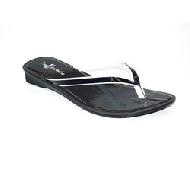
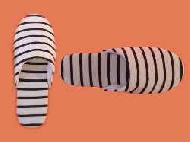
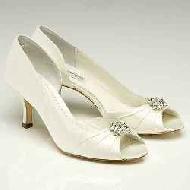
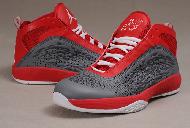
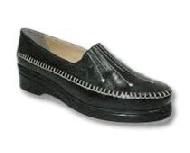
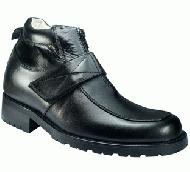
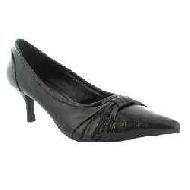
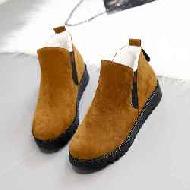
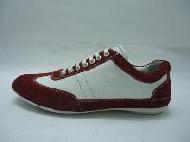
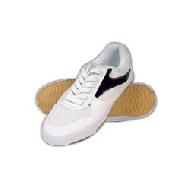
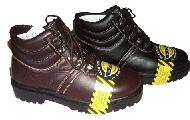
Buyers can enquire about dress and formal shoes, casual shoes, loafers and sneakers, women's flats and heels, ankle and fashion boots, sandals and slippers, and, from suppliers who offer them, work or utility boots and children's footwear. Ranges differ by manufacturer and supplier, so confirm styles, materials and size ranges before ordering.
Uppers are commonly leather, suede, canvas, textile or knit fabrics, mesh or synthetic leather, while outsoles are often rubber or other synthetic compounds, with foam midsoles in many casual styles. Common construction methods include cemented, Blake or Goodyear welt stitching and vulcanised soles. Ask for the material of each component and the method used per style, and request test information instead of assuming properties such as slip or water resistance.
Footwear is built on a last, and size systems differ by market, including UK, US, EU and Mondopoint, which is based on foot length in millimetres. Ask for a size chart that names the system used and gives the foot or last length for each size, plus width fittings where offered. The same size number can fit differently between lasts and styles, so check a fit sample and agree the size run before bulk production.
State the style type, target customer group, upper and sole materials, colours, size range and size system, and the quantity per style, colour and size. Add reference photos or tech sketches, any logo, branding or packaging requirements, the destination country and your preferred trade terms. Mention whether you need samples first. If you want to reach several suppliers at once, you can post a buy requirement with these details.
Many manufacturers and suppliers offer customization, but the options differ by supplier and style. Buyers commonly ask about private label branding on insoles, outsoles, tongues, labels and boxes, as well as custom colours, materials, soles and design adjustments. Share artwork or a tech pack, and confirm what is possible, what samples are needed and how branding will be applied before you approve production.
Request a pre-production or fit sample and compare it with your specification for materials, colour, stitching, sole attachment, trims, size and finish. Check pairs for symmetry, fit and visible defects, and agree what is acceptable before bulk production. Confirm with the supplier how inspection is handled and whether any testing is needed for your market, rather than assuming performance properties.
Ask for catalogues or photos of comparable styles, a sample pair, and clear information on materials, construction, size range and customization options. Check how the supplier answers technical questions, handles samples and approvals, and communicates about production, packing and shipping. Confirm business details and references through your usual due diligence before placing a bulk order.
Confirm how pairs will be packed, including boxes, tissue or inserts, and how cartons are arranged by style, size and colour. Check labelling, barcode or branding requirements, and carton marking so the shipment is easy to sort on arrival. Ask the supplier about shipping terms and handling, and confirm documentation requirements with your importer or customs broker.
Go Mobile


Connect with us