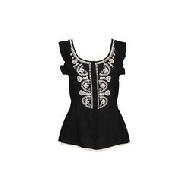
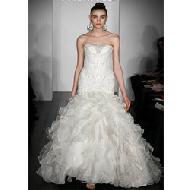
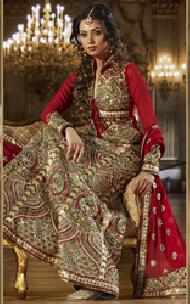
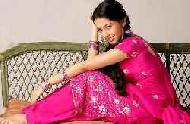
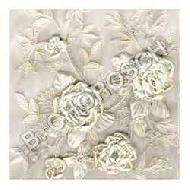
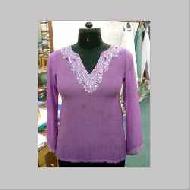
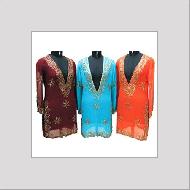
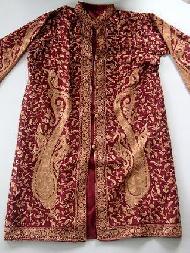
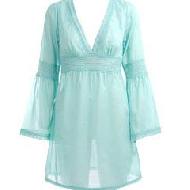
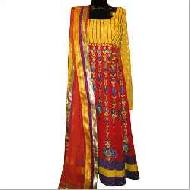
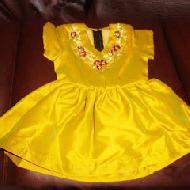
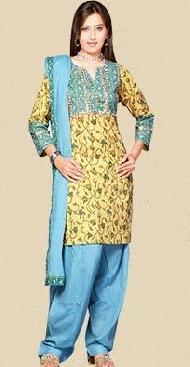
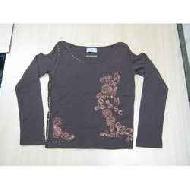
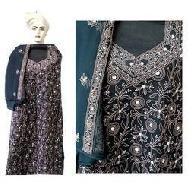
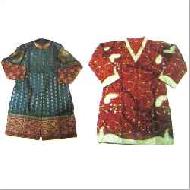
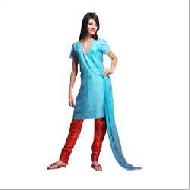
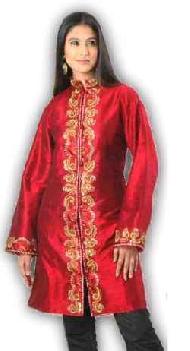
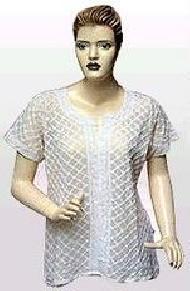
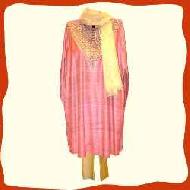
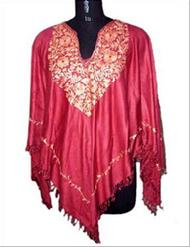
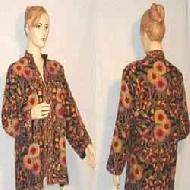
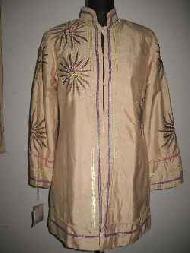
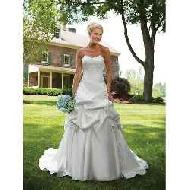
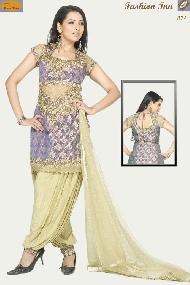
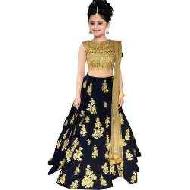
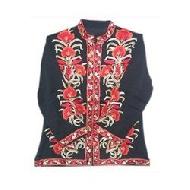
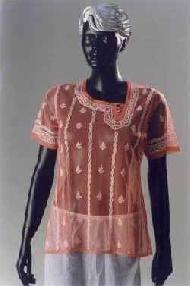
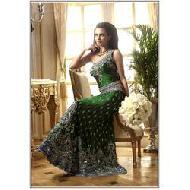
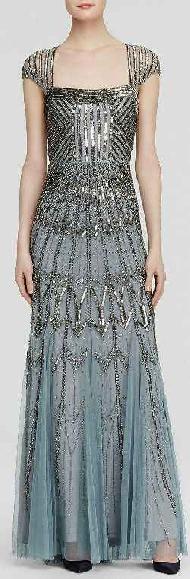
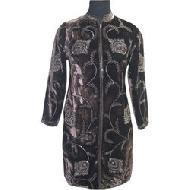
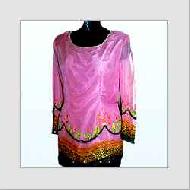
Source embroidered garments from manufacturers, suppliers and exporters, including embroidered shirts, tops, dresses, tunics, kurtis, jackets and logo-embroidered apparel.
Embroidered apparel and garments are clothing where embroidery is a key decorative or branding feature, from small logos on shirts and jackets to decorative motifs on tops, dresses, tunics and kurtis. Importers, wholesalers, retailers, uniform buyers and brand owners can use this category to find manufacturers, suppliers and exporters of embroidered clothing for fashion, corporate and private-label programmes. It is part of Apparel & Fashion, but embroidery adds design, artwork and sampling steps that plain garments do not need.
Plain everyday garments are sourced under Casual Wear, and broader fashion garments are listed under Fashion Garments. Traditional clothing, sarees and lehengas, party and wedding dresses, and garments grouped by wearer, such as men's, women's, kids' and infant clothing, are sourced in their own categories. Embroidery machines and other industrial equipment are not covered here.
Product ranges differ from one supplier to another, so confirm availability on enquiry. Common groups include:
Machine embroidery, often called computerised embroidery, follows a digitised stitch file that sets the stitch type, direction and density, and suits logos and repeat designs. Hand embroidery is used for decorative work and varies by technique and supplier. Appliqué stitches fabric shapes onto the garment and edges them with embroidery, which can cover larger areas of colour. Thread choice affects sheen, strength and colour, and backing or stabiliser under the fabric helps keep the stitching even. Quality depends on digitising, thread, stabilisation and machine setup, and issues such as puckering, thread breaks or misaligned stitching can occur, so a sample is important.
Suppliers usually need clear artwork, ideally vector files, which they convert into a stitch file through digitising. Simple shapes with bold outlines usually stitch more cleanly than very fine lines or small text. Confirm the design size, the thread colours and the placement, such as chest, sleeve, back, collar, neckline, yoke or hem. Embroidery thread colours are often matched to the nearest available thread rather than mixed to order, and appearance can shift with fabric and lighting, so ask for colour approval before production.
The base fabric affects how embroidery sits and looks. Lightweight, stretchy or textured fabrics may need different stabilisation than firm woven fabrics, and dense embroidery can change how a garment drapes or feels. Ask the supplier to confirm fabric composition and weight, which embroidery method and stabiliser suit that fabric, and the recommended care. Request test information if you need results such as wash performance or colourfastness, rather than assuming them.
Many manufacturers and exporters offer private-label production for embroidered garments, including woven or printed labels, hang tags, custom colours and branded packaging. Availability depends on the supplier and the style. Ask whether embroidery is applied to cut panels or finished garments, and confirm sampling steps, quantity terms and lead times in writing. Pricing and timing vary by supplier and should be confirmed in the quotation.
Check that the supplier has experience with embroidery on the garment fabrics you need, and ask whether embroidery is done in-house or by a subcontractor. Ask how artwork is digitised and approved, how thread colours are matched, and how consistency is checked across a production run. Review samples before bulk production. If you need test reports or certifications for your market, request them directly and verify them instead of relying on general claims.
Approve a physical sample or stitched-out design before bulk production, especially for new fabrics or designs. Check stitch coverage and evenness, puckering or distortion of the fabric around the embroidery, loose threads, backing or stabiliser showing on the inside, placement and size accuracy, colour match and the overall garment finish. Confirm the care instructions, and ask for wash or colourfastness testing if your market or customer requires it.
Confirm how embroidered areas are protected when garments are folded, for example individual polybags, hang tags or barcode labels, and how cartons are arranged by style, size and colour. Ask how items are protected from moisture during transit. Fibre-content labelling, care labelling and documentation requirements can differ by destination, so buyers should confirm them with their importer, customs broker or the relevant authority, and agree shipping terms with the supplier before ordering.
Buyers can enquire about embroidered shirts and polo shirts, tops, dresses, tunics and kurtis, jackets and sweatshirts, children's garments, and logo-embroidered work or corporate apparel, along with embroidered ethnic or traditional garments from suppliers who offer them. Ranges differ by manufacturer and supplier, so confirm garment types, fabrics, sizes and embroidery options before ordering.
Common methods include machine (computerised) embroidery, which follows a digitised stitch file and suits logos and repeat designs, hand embroidery for decorative work, and appliqué, where fabric shapes are stitched onto the garment and edged with embroidery. Designs range from small logos and monograms to borders, motifs and all-over patterns. Ask which method the supplier would use for your design and request a sample.
Provide the garment type, fabric preference, size range and size ratio, embroidery method (machine, hand or appliqué), artwork files or design references, design size and placement, thread colours, label and packaging needs, estimated quantity and destination country. Mention whether you need samples so the supplier can quote accurately. If you want to reach several suppliers at once, you can post a buy requirement with these details.
Many manufacturers and exporters offer bulk and private-label production for embroidered garments, including woven or printed labels, hang tags, custom colours and branded packaging, though options depend on the supplier and the style. Confirm whether embroidery is applied to cut panels or finished garments, along with the sampling steps, quantity terms and lead times in writing.
Suppliers usually prefer clear artwork, ideally vector files, which they convert into a stitch file through digitising. State the design size, placement (such as chest, sleeve, back or hem), thread colours and the garment fabric. Fine lines and small text may not stitch cleanly, and thread colours are often matched to the nearest available thread, so ask for colour and placement approval before production.
Approve a physical sample or stitched-out design before bulk production, then check stitch coverage and evenness, puckering or distortion around the embroidery, loose threads, backing showing on the inside, placement and size accuracy, colour match and garment finish. Ask how consistency across the production run is checked, and request wash or colourfastness testing if your market requires it.
Check that the supplier has experience embroidering the garment fabrics you need, and ask whether embroidery is done in-house or by a subcontractor. Review samples, ask how artwork is digitised and approved and how thread colours are matched, and see how clearly they communicate on customization. Verify any certifications or test reports you require directly rather than relying on general claims.
Confirm how embroidered areas are protected when garments are folded, such as individual polybags, hang tags and barcode labels, how cartons are arranged by style, size and colour, and how items are protected from moisture in transit. Fibre-content, care-label and documentation requirements vary by destination, so check them with your importer or customs broker and agree shipping terms with the supplier.
Go Mobile


Connect with us