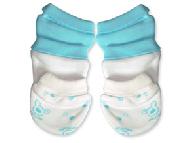
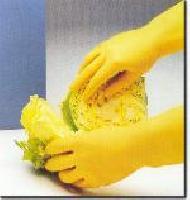
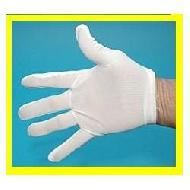
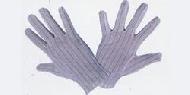
Source hand gloves and mittens from manufacturers, suppliers and exporters, including knitted, cotton, leather, coated, household and disposable gloves.
Hand gloves and mittens are hand coverings made for warmth, grip, hygiene, comfort or hand protection. Gloves have separate fingers, while mittens group the fingers together. Importers, wholesalers, retailers and brand owners use this category to find manufacturers, suppliers and exporters of ready ranges, private-label programmes and bulk orders. It is part of Apparel & Fashion, but the range runs from fashion and winter accessories to household and work gloves.
Warm winter garments such as sweatshirts are listed under Winter Clothing, and industrial gloves are also listed with Industrial Clothing & Work Wear. This page focuses on gloves and mittens as finished products.
Product ranges differ from one supplier to another, so confirm availability on enquiry. Common groups include:
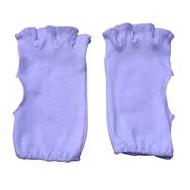
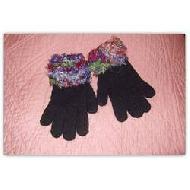
Knitted and acrylic gloves, fingerless gloves and mittens, in styles for men, women and children.
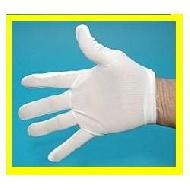
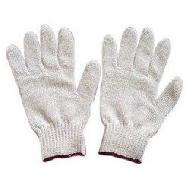
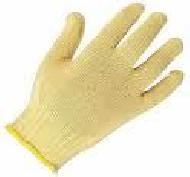
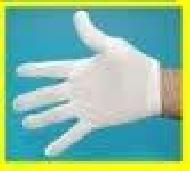
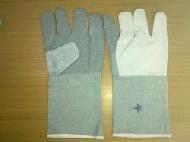
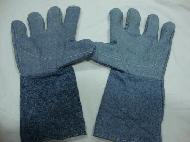
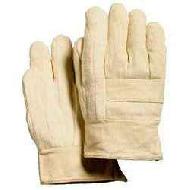
Plain cotton, hosiery, jersey, canvas and lint-free gloves for general handling, inspection or light-duty use.
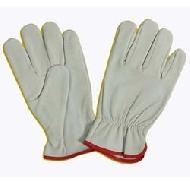
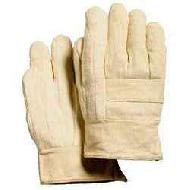
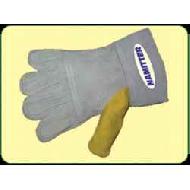
Gloves used for driving, fashion wear or general work handling.
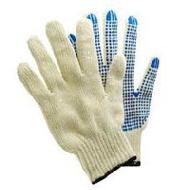
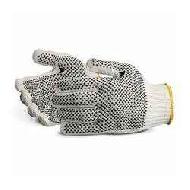
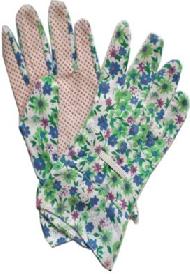
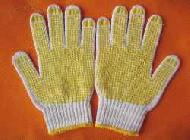
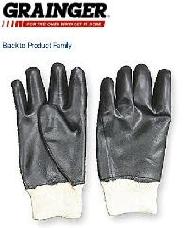
Fabric gloves with dotted or coated palms, such as PVC dotted cotton gloves.
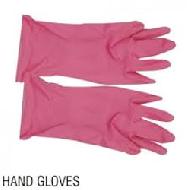
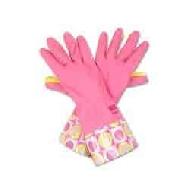
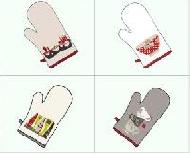
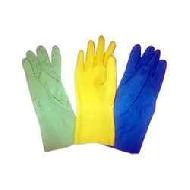
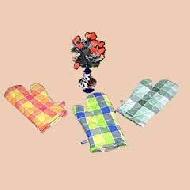
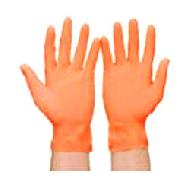
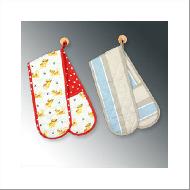
Household rubber gloves, flock-lined gloves, oven and cooking gloves, and microfiber cleaning gloves.
Single-use gloves supplied in boxes or packs. Materials and intended use vary by product.
Garden gloves, baby and children's gloves, bath mitts and similar hand wear.
Common materials include cotton, acrylic, wool or blended yarns, polyester, jersey fabric, leather or suede, rubber, latex, nitrile and PVC. Some gloves are lined with fleece or flock, or have coated palms or fingers.
Ask for the material of each component and the construction method for each style, and request test information instead of assuming properties such as grip, warmth or water resistance.
Size labels such as S, M and L or numeric sizes differ between suppliers. Ask for a size chart showing hand length and palm width, and confirm whether gloves are shaped for left and right hands or are ambidextrous. Children's sizing is often by age band, so check the measurements behind each band. Review a fit sample before bulk production.
Define the intended use first, such as everyday warmth, driving, gardening, household cleaning, general work handling or single-use. Claims about protection, grip, cut, chemical, heat, water or food-contact suitability depend on the specific product, its materials and testing. Ask the supplier for test reports or standards relevant to your market and do not assume them from the glove type.
Many suppliers can adjust colours, yarns, knit patterns, cuffs and labels, and add branding such as woven labels, printing or embroidery, hang tags and custom packaging. Options differ by supplier and style, so share artwork or a specification and confirm what is possible before approving production.
Compare the sample with your specification for material, colour, size, stitching, coating coverage, labels and finish. Check that pairs match and that size markings are correct. For disposable gloves, check box labelling and pack contents. Confirm with the supplier which tests apply to your product and market.
Ask how pairs will be bundled or packed, for example tied, in polybags or on header cards, and how inner packs and cartons are arranged by style, size and colour. Check labelling and carton marking, and confirm documentation requirements with your importer or customs broker.
Buyers can enquire about knitted and winter gloves, mittens, cotton and fabric gloves, leather and suede gloves, coated or dotted grip gloves, household and kitchen gloves, disposable gloves, and garden, driving and children's gloves. Ranges differ by manufacturer and supplier, so confirm styles, materials and size ranges before ordering.
Common materials include cotton, acrylic, wool or blended yarns, polyester, leather or suede, rubber, latex, nitrile and PVC, with fleece or flock linings in some styles. Coatings may be applied to palms or fingers. Ask for the material of each component and request test information instead of assuming grip, warmth or water resistance.
Size labels differ between suppliers, so ask for a size chart showing hand length and palm width. Confirm whether the gloves are shaped for left and right hands or are ambidextrous, and check how children's sizes are defined. Review a fit sample before bulk production.
State the glove or mitten type and intended use, material, coating and lining, size range, colours, and the quantity per style, size and colour. Add photos or a specification, any branding or packaging requirements, the destination country and your preferred trade terms. Mention whether you need samples first. If you want to reach several suppliers at once, you can post a buy requirement with these details.
Many manufacturers and suppliers offer customization, but options differ by supplier and style. Buyers commonly ask about custom colours, yarns, knit patterns, labels, printed or embroidered branding, hang tags and packaging. Share artwork or a specification and confirm what is possible, what samples are needed and how branding will be applied before you approve production.
Compare the sample with your specification for material, colour, size, stitching, coating coverage, labels and finish, and check that pairs match. Confirm with the supplier which tests apply to your product and intended use, rather than assuming protection or performance from the glove type.
Ask for photos or samples of comparable styles and clear information on materials, sizes, construction and customization options. Confirm whether the supplier manufactures the gloves or sources them, and how samples, approvals and production updates are handled. Confirm business details and references through your usual due diligence before placing a bulk order.
Confirm how pairs will be bundled or packed, such as tied, in polybags or on header cards, and how inner packs and cartons are arranged by style, size and colour. For disposable gloves, check pack and box quantities and labelling. Check carton marking and confirm documentation requirements with your importer or customs broker.
Go Mobile


Connect with us