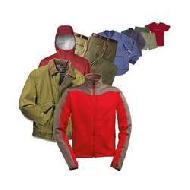
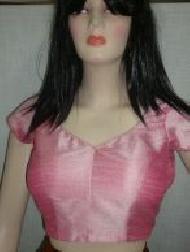
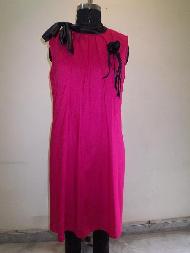
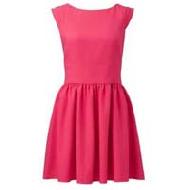
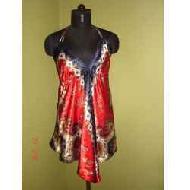
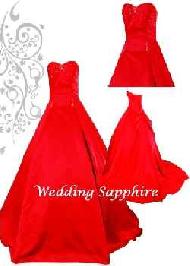
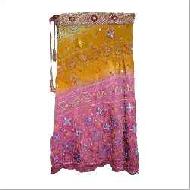
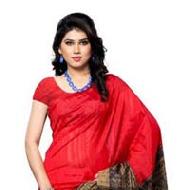
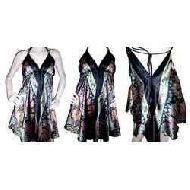
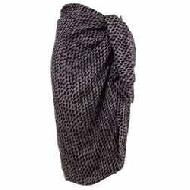
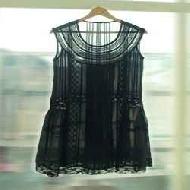
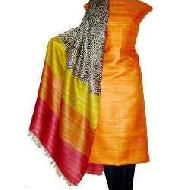
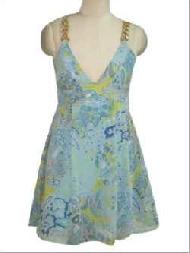
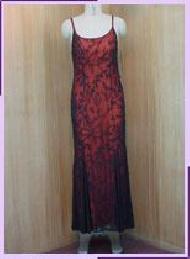
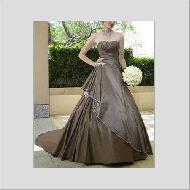
Source fashion-oriented garments from manufacturers, suppliers and exporters, including dresses, tops, blouses, skirts, tunics, coordinated sets and fashion jackets.
Fashion garments are style-led clothing designed around cut, fabric, colour and design details, such as dresses, tops, blouses, skirts, tunics, coordinated sets and fashion jackets. Importers, wholesalers, retailers, boutiques and brand owners can use this category to find manufacturers, suppliers and exporters of fashion garments for seasonal ranges, private-label collections and bulk orders. It is part of Apparel & Fashion, but fashion garments are usually sourced around design, sampling and fit rather than only basic specifications.
Everyday basics such as plain T-shirts and jeans are sourced under Casual Wear, garments where embroidery is the main feature are under Embroidered Apparel & Garments, and swimwear and cover-ups are under Beachwear. Traditional clothing, sarees and lehengas, party and wedding dresses, winter clothing, nightwear and undergarments, and garments grouped by wearer, such as men's, women's, kids' and infant clothing, are sourced in their own categories. This page focuses on fashion-oriented garments.
Product ranges differ from one supplier to another, so confirm availability on enquiry. Common groups include:
Fashion garments use a wide range of woven and knitted fabrics, and the choice affects drape, structure, handle and care. Ask for fabric composition and weight for each style, and whether the garment uses lining, interfacing or other support materials. Construction and finishing details worth confirming include seam type and finish, hems, darts and pleats, closures such as zips, buttons and hooks, labels, and any trims, prints or surface decoration. Request test information if you need specific results such as colourfastness or shrinkage, rather than assuming them, and confirm the care instructions for each fabric.
Request a size chart and a specification sheet that shows the garment measurements for each size, ideally with points of measure and the tolerances the supplier works to. Fit and cut vary between styles and fabrics, so confirm the base size, how measurements change between sizes (grading) and the target size range for your market. A fit sample is the most reliable way to check proportions, length and comfort before bulk production.
Many manufacturers and exporters work from buyer designs, sketches, reference garments or a technical pack, and some also offer their own ranges for selection. Customization can include fabric and colour choices, prints, trims, labels and branding. Availability depends on the supplier and the style. Share clear design details such as sketches, colour references, measurements and trim requirements so the supplier can quote and sample accurately.
For private-label orders, confirm labels, hang tags and packaging requirements, the assortment across styles, colours and sizes, and how reorders will be handled. Seasonal or design-led ranges often involve several styles with smaller quantities per style, so ask how the supplier handles mixed assortments. Pricing, quantity terms and delivery timing vary by supplier and should be confirmed in the quotation.
Fashion garments are commonly developed through stages, such as an initial sample to check the style, a fit sample to check measurements, and a pre-production sample made with the approved fabric and trims. Ask which samples the supplier provides and approve them against your specification before bulk production. Check seams and finishing, fabric and trims, measurements against the size chart, colour match and overall garment finish. Ask how quality is checked during and after production, including whether an inspection standard is used, and request any test reports your market requires.
Check that the supplier has experience with the garment types and fabrics you need, and ask whether production is in-house or partly subcontracted. Review samples and size charts, ask how design details are reviewed and how consistency across production lots is managed, and see how clearly they communicate on customization. If you need test reports or certifications for your market, request them directly and verify them instead of relying on general claims.
Confirm how garments will be folded or hung, for example individual polybags, hang tags or barcode labels, and how cartons are arranged by style, size and colour. Ask how delicate fabrics, trims and embellishments are protected and how items are protected from moisture during transit. Fibre-content labelling, care labelling and documentation requirements can differ by destination, so buyers should confirm them with their importer, customs broker or the relevant authority, and agree shipping terms with the supplier before ordering.
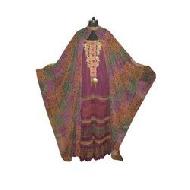
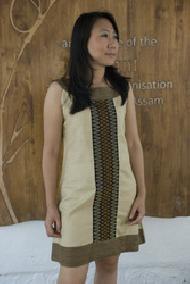
Buyers can enquire about fashion dresses, tops and blouses, fashion shirts, tunics, skirts, coordinated fashion sets and fashion jackets, and, from suppliers who offer them, contemporary ethnic or fusion garments and occasion-oriented fashion styles. Ranges differ by manufacturer and supplier, so confirm styles, fabrics and sizes before ordering.
Fashion garments use a wide range of woven and knitted fabrics, and the choice affects drape, structure and care. Some styles also use lining, interfacing or other support materials. Ask for fabric composition and weight for each style, and request test information instead of assuming results such as colourfastness or shrinkage.
Ask for a size chart and a specification sheet showing garment measurements for each size, ideally with points of measure and tolerances. Confirm the base size, how measurements change between sizes and the target size range for your market. Fit and cut vary between styles and fabrics, so check a fit sample before agreeing the size ratio for bulk production.
Include the garment types and target customer, design references, sketches or a technical pack, fabric type and weight preferences, size range and size ratio with a measurement chart, colours, prints and trims, label and hang tag needs, estimated quantity and assortment, packaging and destination country. Mention whether you need samples so the supplier can quote accurately. If you want to reach several suppliers at once, you can post a buy requirement with these details.
Many manufacturers and exporters work from buyer designs, sketches, reference garments or a technical pack, and offer options such as custom fabrics, colours, prints, trims, private labels, hang tags and branded packaging, though availability depends on the supplier and the style. Confirm the sampling process, quantity terms and lead times in writing before approving production.
Fashion garments are commonly developed through stages, such as an initial sample to check the style, a fit sample to check measurements and a pre-production sample made with the approved fabric and trims. Approve samples against your specification, then check seams and finishing, fabric and trims, measurements, colour match and garment finish. Ask how quality is checked during and after production, and request any test reports your market requires.
Check that the supplier has experience with the garment types and fabrics you need, and ask whether production is in-house or partly subcontracted. Review samples and size charts, ask how design details are reviewed and how consistency across production lots is managed, and see how clearly they communicate on customization. Verify any certifications or test reports you require directly rather than relying on general claims.
Confirm how garments are folded or hung, such as individual polybags, hang tags and barcode labels, how cartons are arranged by style, size and colour, and how delicate fabrics, trims and embellishments are protected from damage and moisture in transit. Fibre-content, care-label and documentation requirements vary by destination, so check them with your importer or customs broker and agree shipping terms with the supplier.
Go Mobile


Connect with us