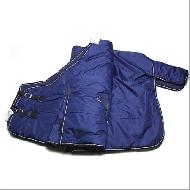
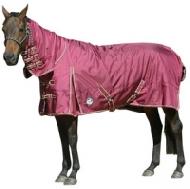
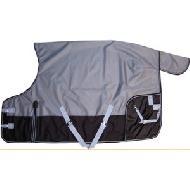
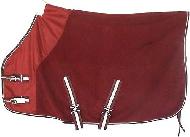
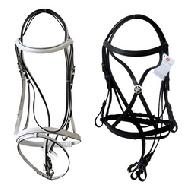
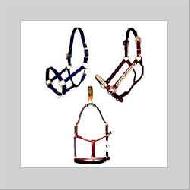
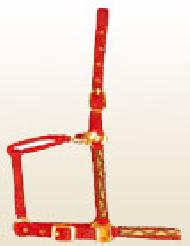
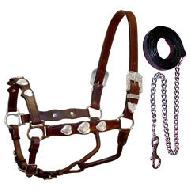
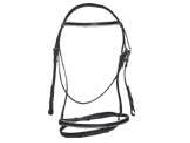
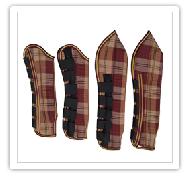
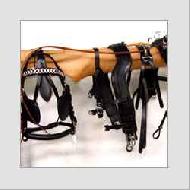
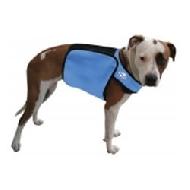
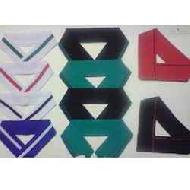
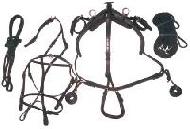
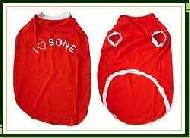
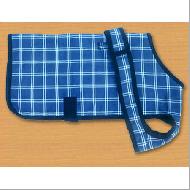
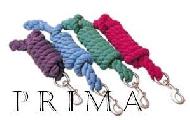
Source pet and animal clothing and accessories from manufacturers, suppliers and exporters, including dog and cat coats, sweaters, rainwear, collars, harnesses and related animal-wear products.
Animal Clothing & Accessories covers garments and wearable accessories made for animals, most commonly pets such as dogs and cats, rather than for people. Buyers, importers, wholesalers and retailers can use this category to find manufacturers, suppliers and exporters of pet clothing and related animal-wear products. It is listed within Apparel & Fashion, but its scope is separate from men's, women's, kids' and infant clothing, which are sourced in their own categories.
Product ranges differ from one supplier to another, so availability should always be confirmed on enquiry. Typical product groups include:
Dogs and cats are the most common focus of pet clothing. Some suppliers may also make items for other pets or small animals. Because body shapes differ widely between species and breeds, buyers should state the target animal and size range clearly rather than assume a product suits every animal.
Fabric choice affects warmth, breathability, water resistance and care instructions. Commonly discussed materials include cotton and knit fabrics for everyday wear, fleece and wool-blend fabrics for cold-weather garments, and nylon or polyester shells for rainwear and outerwear. Accessories such as collars and harnesses often use webbing or other strap materials with buckles, snaps or clips. Ask suppliers for fabric composition, lining details, closure types and stitching standards for each product.
Pet clothing is normally sized from the animal's body measurements rather than a general size label. The measurements most often requested are neck circumference, chest girth at the widest part of the chest, and back length from the base of the neck to the base of the tail. Size charts vary between suppliers, so buyers should request garment dimensions together with the body-measurement range each size is designed to fit, and consider sample checks for freedom of movement, leg openings and closures before bulk orders.
Many items are developed for specific seasons or weather conditions, such as warm coats and sweaters for cold weather, rain jackets for wet conditions and lighter garments for milder climates. Others are fashion or occasion pieces. Buyers should describe the intended use and climate so suppliers can propose suitable fabrics and constructions, and should avoid assuming that any garment is appropriate for a particular animal's health condition.
Many manufacturers and exporters offer customization such as private labelling, custom colours and prints, embroidery, woven or printed labels, hang tags and branded packaging. Whether customization is available depends on the supplier, as do quantity terms, lead times and pricing, which should be confirmed in the quotation. For wholesale enquiries, share the size range, the expected split of quantities across sizes and colours, and any design references.
Check that the supplier makes products designed for animals rather than resized human garments. Request samples, compare stitching, closures and fabric against your specification, and ask whether quality is consistent across the full size range. Review the supplier's size charts, technical details and communication on customization. If you need test reports or certifications for your market, request them directly and verify them, rather than relying on general claims.
Confirm how items will be packed, for example individual polybags, hang tags, barcodes or labels, and how cartons will be arranged by size and colour. Labelling, fibre-content and care-information requirements can differ by destination, so buyers should confirm them with their importer, customs broker or the relevant authority. Also agree on shipping terms, documentation and inspection arrangements with the supplier before placing an order.
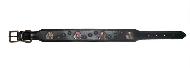
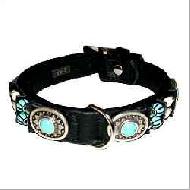
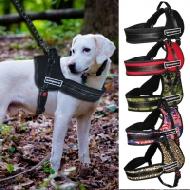
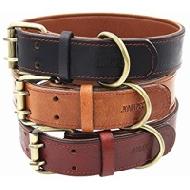
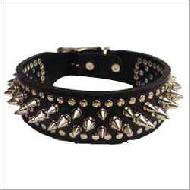
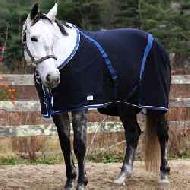
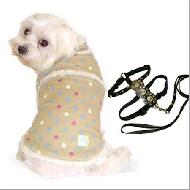
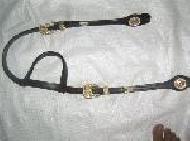
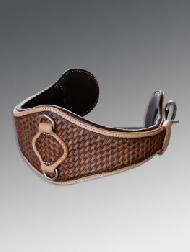
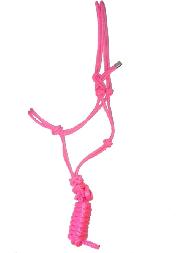
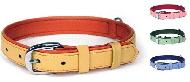
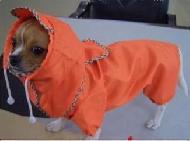
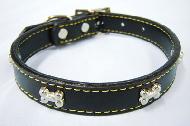
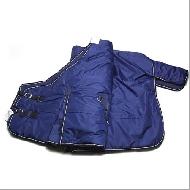
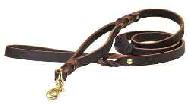
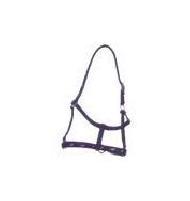
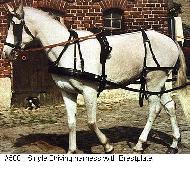
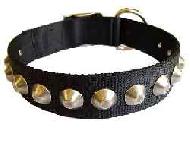
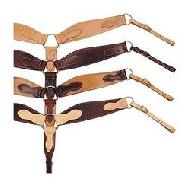
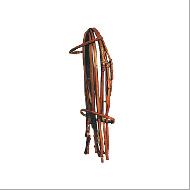
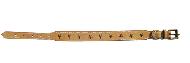
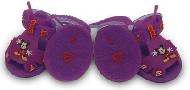
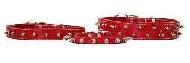
Buyers can enquire about pet coats, jackets, sweaters, hoodies, shirts, rainwear, dresses and costumes, along with protective or weather-related wear, pet boots, collars, harnesses, bandanas and similar accessories. Exact ranges vary by manufacturer and supplier, so confirm availability and specifications before ordering.
Dogs and cats are the most common focus, and sizes are usually based on the animal's body measurements. Some suppliers may also offer items for other pets or small animals. State the animal type and size range in your enquiry, as a product made for one animal may not suit another.
Include the product type, target animal, size range with neck, chest and back-length measurements, preferred fabric and lining, colours, prints or logos, estimated quantity and size split, packaging needs and destination country. Mention whether you need samples so the supplier can respond accurately. If you want to reach several suppliers at once, you can post a buy requirement with these details.
Ask each supplier for a size chart and compare it with your target animals' neck circumference, chest girth and back length. Check whether the chart describes the garment or the animal, as this differs between suppliers. Request samples to check movement, leg openings and closures before finalising the size-wise quantity split.
Cotton and knit fabrics are often used for everyday garments, fleece and wool blends for cold-weather items, and nylon or polyester for rainwear and outerwear. Collars and harnesses commonly use webbing or similar straps with buckles or clips. Ask for fabric composition, lining and trim details for each product.
Many manufacturers and exporters offer wholesale supply and customization such as private labels, custom colours, prints, embroidery, woven or printed labels and branded packaging, though this depends on the supplier. Quantity terms, lead times and pricing should be confirmed in the quotation.
Check that products are designed specifically for animals, review samples for stitching, closures and fabric, and confirm quality is consistent across sizes. Ask for size charts and technical details. If you need test reports or certifications for your market, request them directly and verify them.
Confirm individual and carton packing, labels, hang tags and barcodes, and how cartons are arranged by size and colour. Labelling and documentation requirements can vary by destination country, so check them with your importer or customs broker, and agree shipping terms and documents with the supplier.
Go Mobile


Connect with us