-
Sign InSign InorJoin FreeShare your Requirement,
Get multiple quotes from sellers!
- Post Buy Requirement
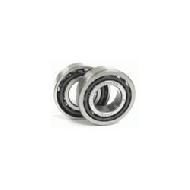
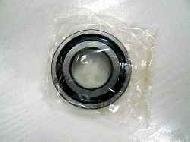
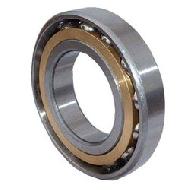
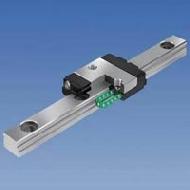
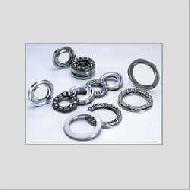
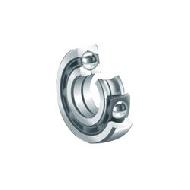
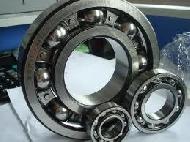
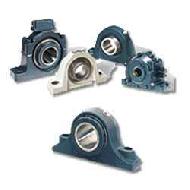
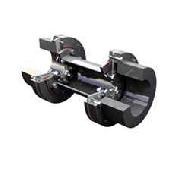
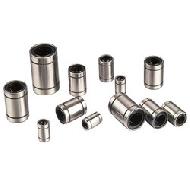
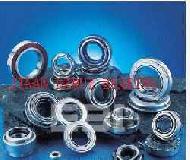
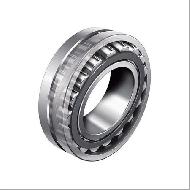
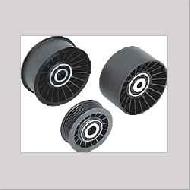
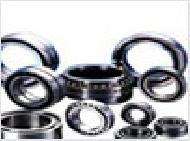
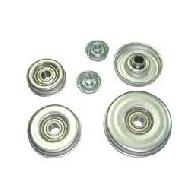
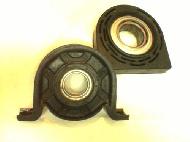
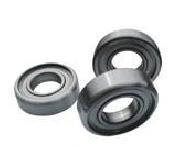
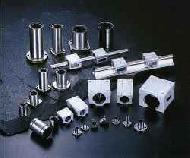
Source industrial bearings for B2B and OEM requirements, including ball, roller, thrust and plain bearings used to reduce friction and support rotating loads across machinery and equipment applications.
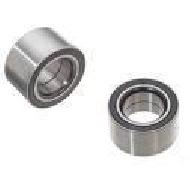
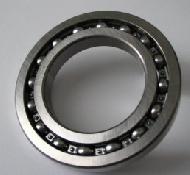
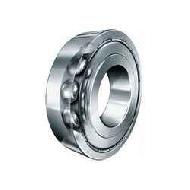
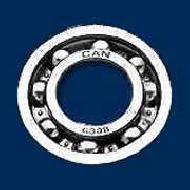
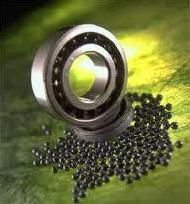
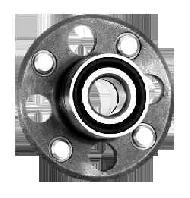
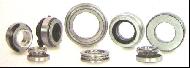
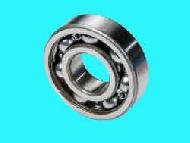
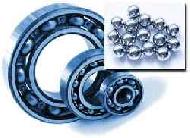
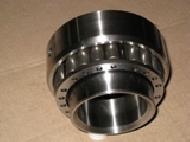
Bearings are mechanical components designed to reduce friction and support radial or axial loads between moving parts. They are widely used in rotating assemblies across industrial machinery, equipment and other mechanical applications.
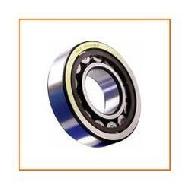
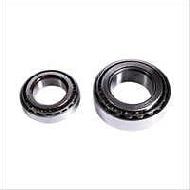
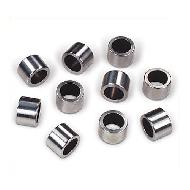
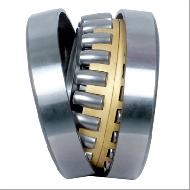
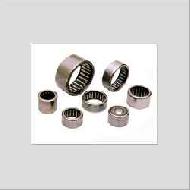
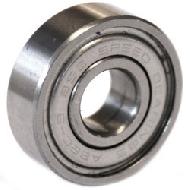
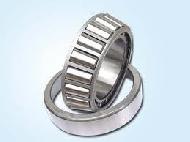
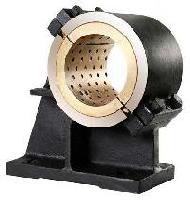
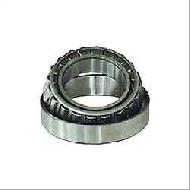
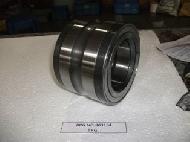
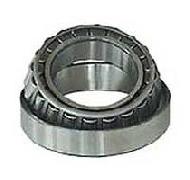
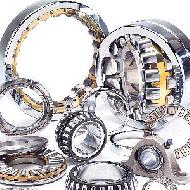
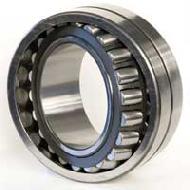
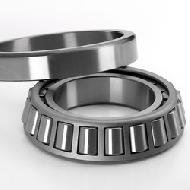
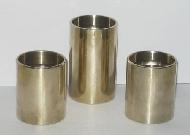
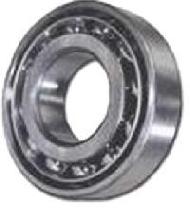
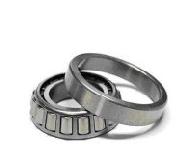
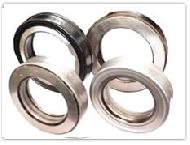
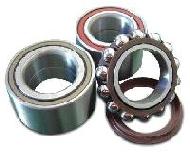
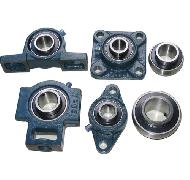
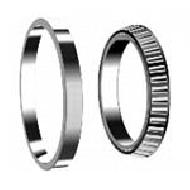
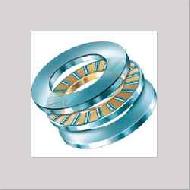
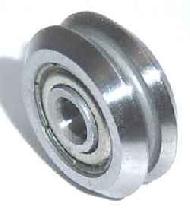
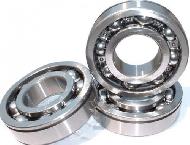
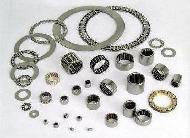
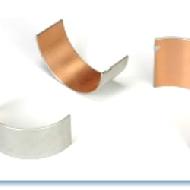
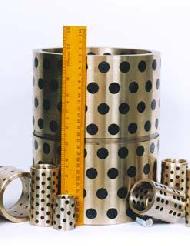
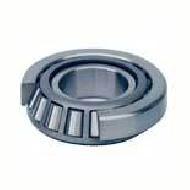
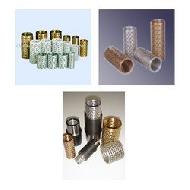
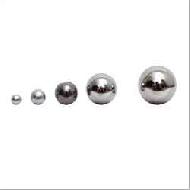
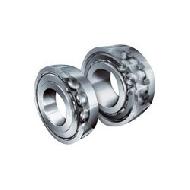
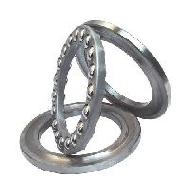
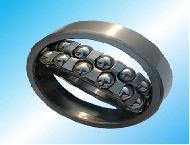
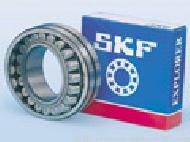
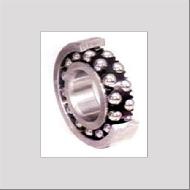
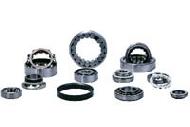
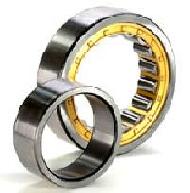
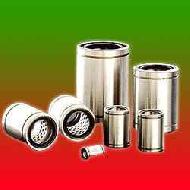
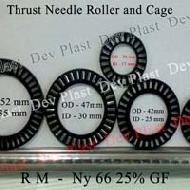
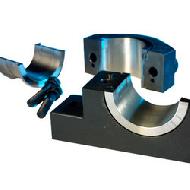
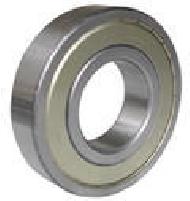
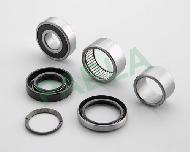
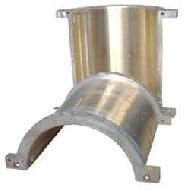
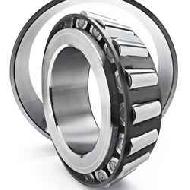
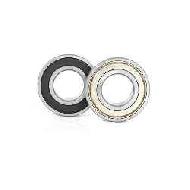
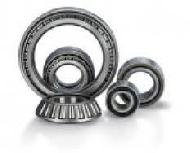
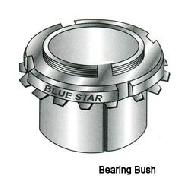
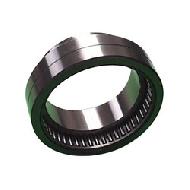
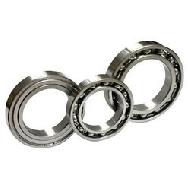
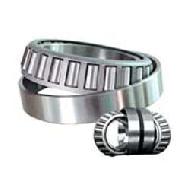
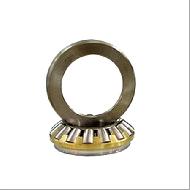
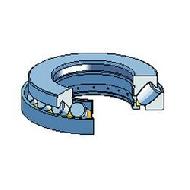
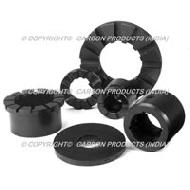
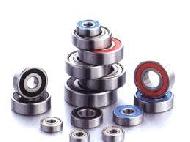
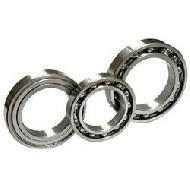
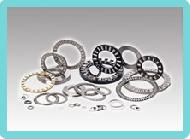
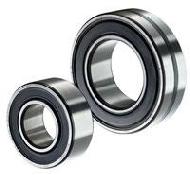
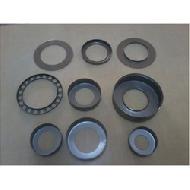
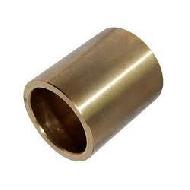
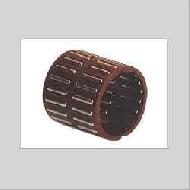
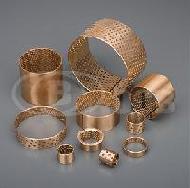
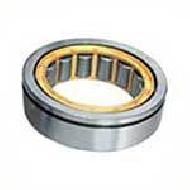
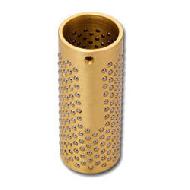
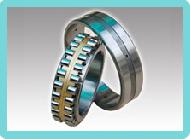
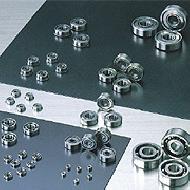
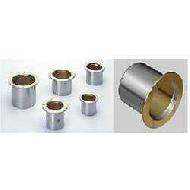
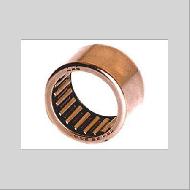
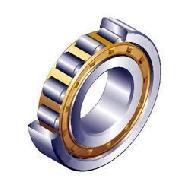
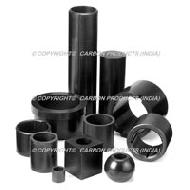
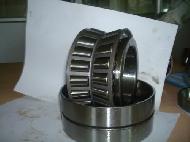
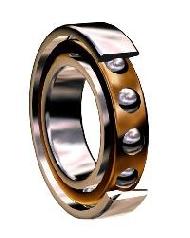
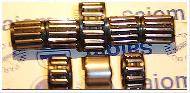
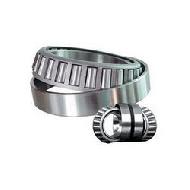
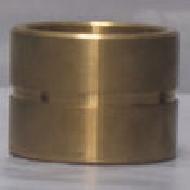
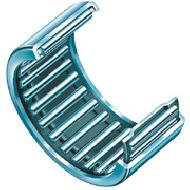
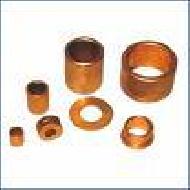
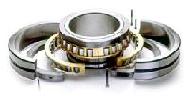
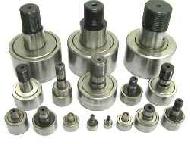
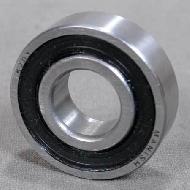
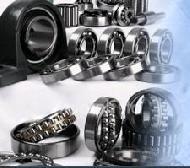
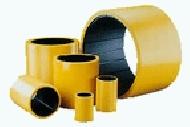
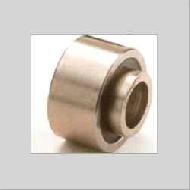
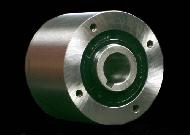
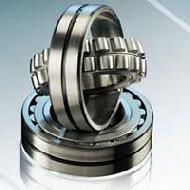
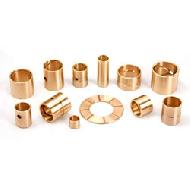
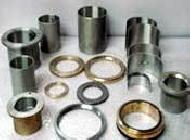
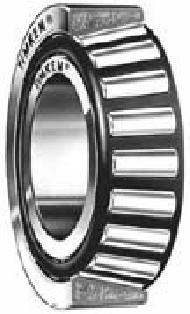
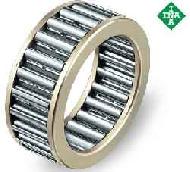
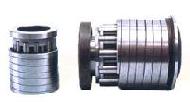
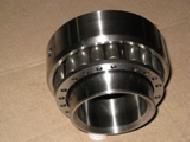
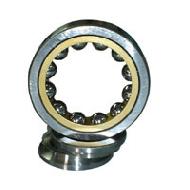
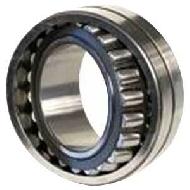
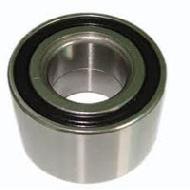
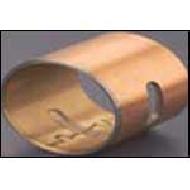
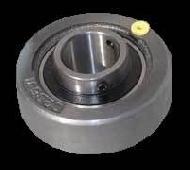
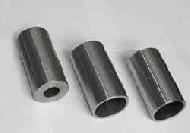
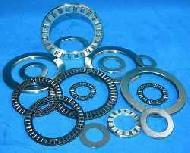
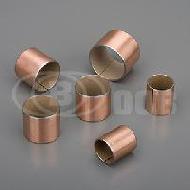
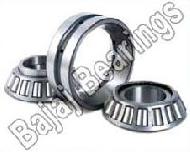
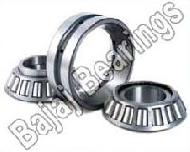
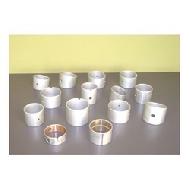
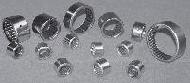
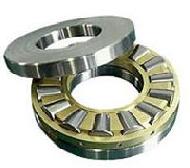
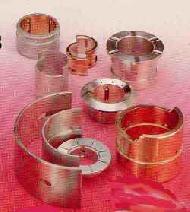
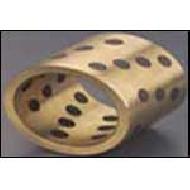
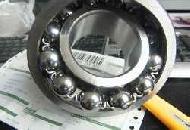
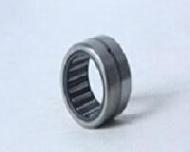
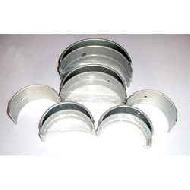
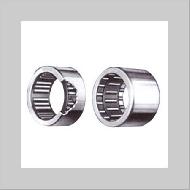
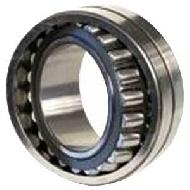
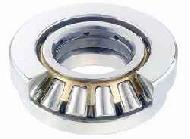
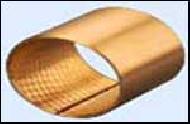
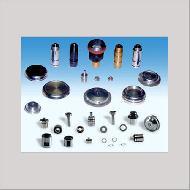
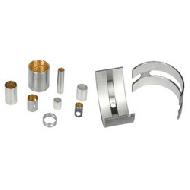
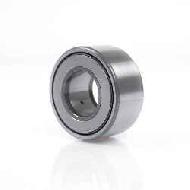
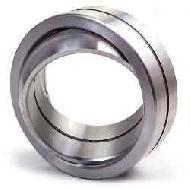
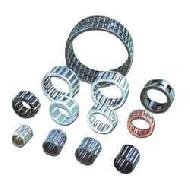
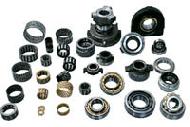
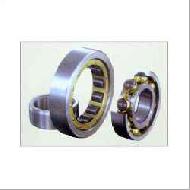
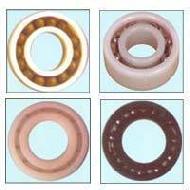
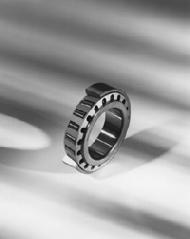
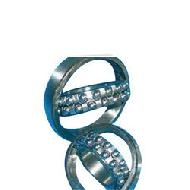
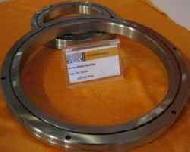
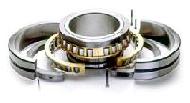
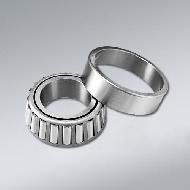
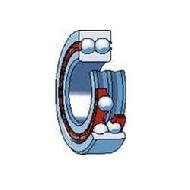
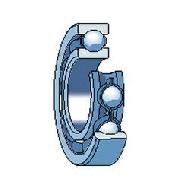
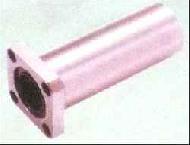
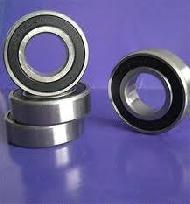
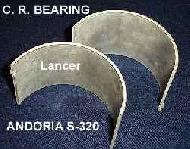
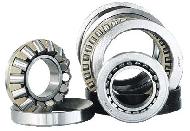
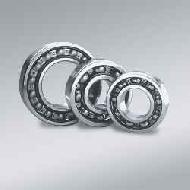
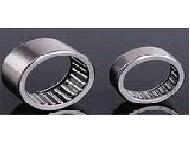
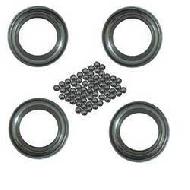
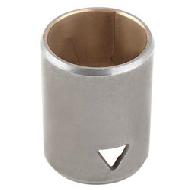
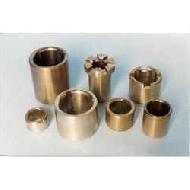
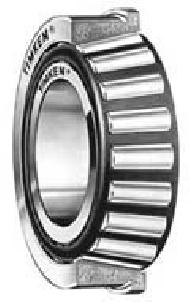
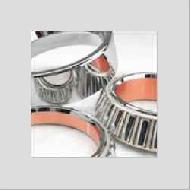
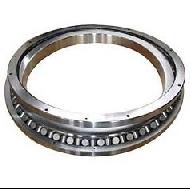
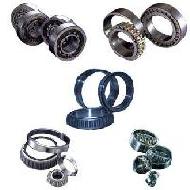
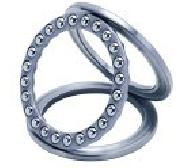
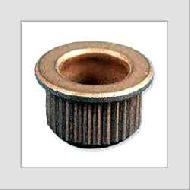
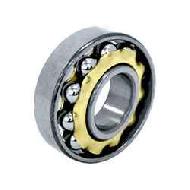
Common bearing types include ball bearings, roller bearings, needle bearings, thrust bearings and plain or bush bearings. Roller bearing designs can include cylindrical, tapered and spherical configurations, depending on the application and operating requirements.
When sourcing bearings, buyers should consider the bearing type, bore size, outer diameter, width, load requirements, operating speed, tolerance or precision requirements, sealing and lubrication requirements, material and required quantity.
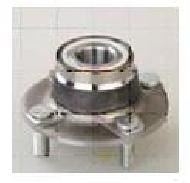
Bearings are used in electric motors, pumps, gearboxes, conveyors, automotive systems, manufacturing equipment and a wide range of industrial machinery where controlled movement and load support are required.
Buyers should provide accurate dimensions, application requirements, load and speed conditions, material requirements and quantity when requesting bearings. Product suitability and specifications should be confirmed directly with the supplier before ordering.
Common industrial bearing types include ball bearings, roller bearings, needle bearings, thrust bearings and plain or bush bearings. The suitable type depends on the application and operating requirements.
Buyers should provide the required bearing type, bore size, outer diameter, width, load and speed requirements, operating conditions, sealing or lubrication requirements, material requirements and quantity.
Industrial bearings are commonly used in electric motors, pumps, gearboxes, conveyors, automotive systems, manufacturing equipment and other rotating machinery.
Buyers should verify dimensions, load and speed requirements, material compatibility, sealing requirements, lubrication requirements and application suitability with the supplier.
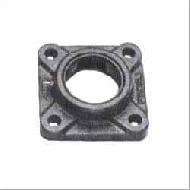
The bearing should be selected according to the mechanical application, load, speed, dimensions, operating conditions, mounting arrangement and other relevant equipment requirements.


Connect with us