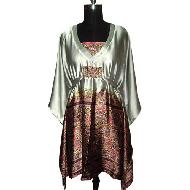
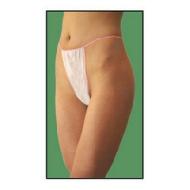
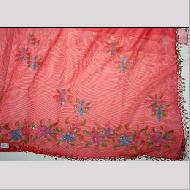
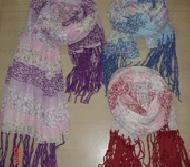
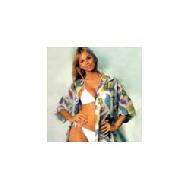
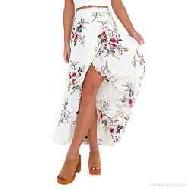
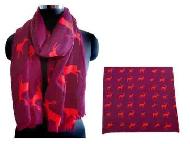
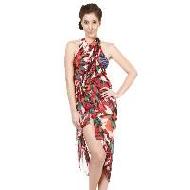
Source swimwear and beach apparel from manufacturers, suppliers and exporters, including swimsuits, bikinis, swim shorts, beach dresses, cover-ups, sarongs and kaftans.
Beachwear covers swimwear and beach-oriented apparel worn at the beach, by the pool and on the water, together with lighter cover-ups worn over or after swimming. Importers, wholesalers, retailers and brand owners can use this category to find manufacturers, suppliers and exporters of swimsuits, swim shorts, cover-ups and related beach apparel. It is part of Apparel & Fashion, but beachwear has its own construction, fit and sourcing considerations.
Everyday garments such as T-shirts, jeans and shirts are sourced under Casual Wear, and beach sandals or other shoes belong under Footwear. This page focuses on the swimwear and beach apparel itself.
Product ranges differ from one supplier to another, so confirm availability on enquiry. Common groups include:
Swimwear is commonly made from nylon (polyamide) or polyester blended with elastane for stretch, and may include a lining in key areas or removable padding in some styles. Cover-ups and sarongs more often use lighter woven or knit fabrics such as cotton, viscose or rayon blends. Fabric weight, stretch and recovery, opacity when wet, colourfastness and care instructions all affect how a garment performs and sells. Request the fabric composition for each style, and ask for test information if you need specific properties such as chlorine resistance or colourfastness, rather than assuming them.
Construction details worth checking include seam type and finish, elastic and drawcord quality, strap and closure strength, lining placement and the finish of leg and waist edges.
Request size charts with body measurements, such as bust, waist and hips for swimsuits and waist and inseam for trunks and shorts. Confirm whether tops and bottoms of a two-piece set are sized separately and whether mix-and-match sizing is offered. Because stretch and cut vary between styles and fabrics, a fit sample is the most reliable way to confirm sizing before bulk production, and the size ratio should be agreed for your target market.
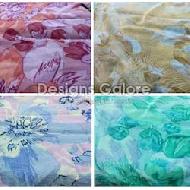
Many manufacturers and exporters offer customization such as exclusive prints, colours and trims, private labels, woven or printed labels, size and care labels, hang tags and branded packaging. Availability depends on the supplier. Confirm artwork requirements, the sampling process, quantity terms and lead times in writing before approving production.
Beachwear buying is usually planned around styles, colours and size runs. When planning an order, decide the assortment across styles, prints and sizes, whether items are sold as sets or separates, and how reorders will be handled. Pricing, quantity terms and delivery timing vary by supplier and should be confirmed in the quotation.
Check that the supplier has experience with swimwear or beach apparel construction rather than only general garments. Request samples and compare stitching, elastic, lining, print quality and fabric against your specification. Ask how consistency across production lots is managed and how finishing is handled. If you need test reports or certifications for your market, request them directly and verify them instead of relying on general claims.
Confirm how items will be packed, for example individual polybags, hang tags or barcode labels, and how cartons are arranged by style, size and colour. Ask how light and dark colours are packed and how items are protected from moisture during transit. Fibre-content labelling, care labelling and documentation requirements can differ by destination, so buyers should confirm them with their importer, customs broker or the relevant authority, and agree shipping terms with the supplier before ordering.
Buyers can enquire about swimsuits and bikinis, swim trunks and board shorts, swim tops and rash-guard style tops, and cover-ups such as beach dresses, kaftans, sarongs, pareos and beach robes. Ranges differ by manufacturer and supplier, so confirm availability, styles and sizes before ordering.
Swimwear is commonly made from nylon (polyamide) or polyester blended with elastane for stretch, often with a lining in key areas. Cover-ups and sarongs more often use lighter woven or knit fabrics such as cotton, viscose or rayon blends. Ask for fabric composition and, if you need properties such as chlorine resistance or colourfastness, request test information instead of assuming them.
Request size charts with body measurements, such as bust, waist and hips for swimsuits and waist and inseam for trunks and shorts, and confirm whether tops and bottoms are sized separately. Stretch and cut differ between styles, so check a fit sample and agree the size ratio for your market before bulk production.
Include the product types, target customer (women, men or children), size range and size ratio, fabric and lining preferences, colours and prints, branding and label needs, estimated quantity, packaging and destination country. Mention whether you need samples so the supplier can quote accurately. If you want to reach several suppliers at once, you can post a buy requirement with these details.
Many manufacturers and exporters offer exclusive prints and colours, private labels, woven or printed labels, hang tags and branded packaging, though this depends on the supplier. Confirm artwork requirements, the sampling process, quantity terms and lead times in writing before approving production.
Review a sample for stitching and seam finish, elastic recovery, strap and closure strength, lining placement, print and colour consistency, and fabric composition against your specification. Ask how consistency across production lots is checked, and request any test reports your market requires.
Check that the supplier has experience with swimwear or beach apparel construction, not only general garments. Review samples and size charts, ask how production and finishing are managed, and see how clearly they communicate on customization. Verify any certifications or test reports you require directly rather than relying on general claims.
Confirm individual packing such as polybags, hang tags and barcode labels, how cartons are arranged by style, size and colour, and how light and dark colours are packed and protected from moisture. Fibre-content, care-label and documentation requirements vary by destination, so check them with your importer or customs broker and agree shipping terms with the supplier.
Go Mobile


Connect with us