-
Sign InSign InorJoin FreeShare your Requirement,
Get multiple quotes from sellers!
- Post Buy Requirement
Get multiple quotes from sellers!
Source wholesale agricultural fibers including coir, jute, bamboo, banana and other plant-based fibers from manufacturers, suppliers and exporters for industrial, textile, packaging and agricultural applications.
Agricultural fibers are plant-derived materials used as raw materials across manufacturing, textiles, packaging, horticulture, geotextiles and other commercial applications. Click4Exports lists businesses dealing in agricultural fiber categories including coir, bamboo, banana, jute, palm, plant and other natural fiber products for B2B sourcing.
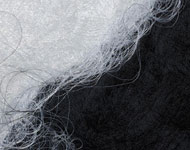
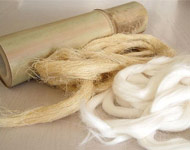
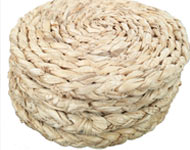
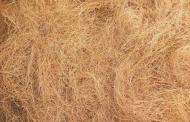
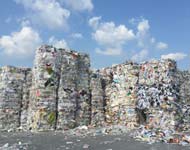
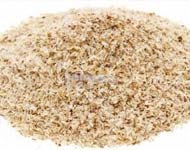
The Click4Exports Agricultural Fibers category includes a broad range of fiber types and related materials. Buyers can explore White Fibers, Coir Fiber, Bamboo Fiber, Banana Fiber, Coconut Coir Fiber, Coco Fibre, Plant Fibers, Recycled Fiber, Husk Fiber, Natural Coir Fiber, Jute Fiber, Palm Fiber, Bristle Coir Fibre, Natural Jute Fiber, Raw Jute Fiber and Natural Bamboo Fiber. These child categories represent different material types and sourcing requirements within the agricultural fiber segment.
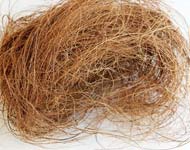
Coir is obtained from coconut husk and is widely used in products such as ropes, mats, brushes, growing media and erosion-control materials. Buyers sourcing coconut-based fibers may need to distinguish between general coir fiber, coconut coir fiber, coco fibre and more specialized natural or bristle coir products.
Jute is a plant-based natural fiber commonly used for sacks, bags, ropes, textiles and other commercial products. B2B buyers may source different forms such as jute fiber, natural jute fiber and raw jute depending on the intended manufacturing process and required material characteristics.
Bamboo and banana fibers are plant-derived materials used in textiles, handicrafts, composites, packaging and other applications. Buyers should specify the required fiber form, processing level, length, fineness, moisture condition and intended application when requesting quotations.
When sourcing agricultural fibers in bulk, buyers should compare the material type, fiber form, length, fineness, moisture condition, cleanliness, impurity level, color, processing method and packaging. Requirements can vary significantly between textile manufacturing, rope production, horticulture, geotextile and industrial applications.
Buyers should also confirm available quantity, packing method, minimum order requirements, delivery terms and any documentation needed for domestic or international shipments. For broader agriculture sourcing, buyers can also explore the Agriculture category on Click4Exports.
Click4Exports brings agricultural fiber categories together in one marketplace so buyers can identify relevant businesses based on the material they require. Instead of treating all natural fibers as the same product, buyers can use the individual category structure to narrow their sourcing requirement and approach suppliers according to the intended application and material specification.
Buyers can explore agricultural fiber categories including coir, bamboo, banana, coconut coir, coco fibre, plant fibers, recycled fiber, husk fiber, jute, palm fiber and other related natural fiber types listed under the Agricultural Fibers category. The current Click4Exports taxonomy also separates specific forms such as Natural Jute Fiber, Raw Jute Fiber and Natural Bamboo Fiber.
Agricultural fibers are used as raw materials for textiles, ropes, sacks, mats, brushes, packaging, horticultural products, geotextiles, composites and other commercial applications. The appropriate fiber depends on the required material characteristics and the manufacturing or end-use application.
Bulk buyers should confirm the fiber type, form, length, fineness, moisture condition, cleanliness, impurity level, processing method, packaging and available quantity. Buyers should also clarify minimum order requirements, delivery terms and any documentation needed for their intended domestic or export shipment.
Coir fiber is obtained from coconut husk and is commonly selected for applications requiring a relatively coarse and durable natural fiber, including ropes, mats, brushes and horticultural products. Jute is obtained from the jute plant and is widely used for sacks, bags, ropes, textiles and other products. Buyers should select between them based on the required material properties and end application.
Yes. Bamboo Fiber and Banana Fiber are separate categories within the current Click4Exports Agricultural Fibers taxonomy. Buyers can evaluate these plant-based materials according to their intended application, required processing level, fiber characteristics, packaging and purchase quantity.
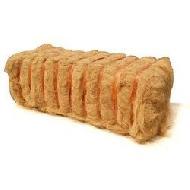
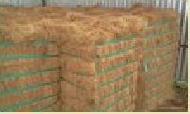
Packaging depends on the fiber type, processing condition, moisture sensitivity, shipping method and buyer requirements. Bulk agricultural fibers may be packed in bags, bundles or compressed bales where appropriate. Buyers should confirm the final packing format, bale or package dimensions, weight, moisture protection and handling requirements directly with the supplier before placing an order.
Yes. Buyers can use the Agricultural Fibers category to identify relevant businesses and narrow their sourcing requirement by fiber type. When requesting quotations, buyers should provide the required material, specification, quantity, packaging preference, destination and intended application so suppliers and exporters can respond with relevant commercial terms.
The appropriate fiber depends on the application and required material characteristics. Coir may suit ropes, mats and horticultural uses, jute is widely used for sacks, bags and textile-related products, while bamboo and banana fibers can be considered for selected textile, craft, composite and other plant-fiber applications. Buyers should define the required performance, processing condition and end use before comparing suppliers.


Connect with us