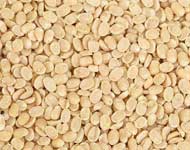
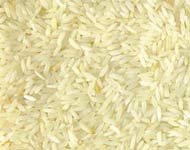
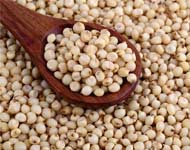
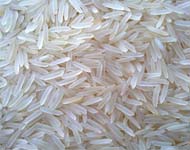
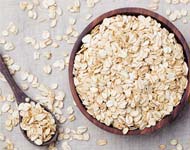
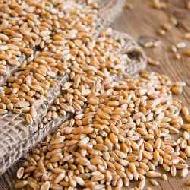
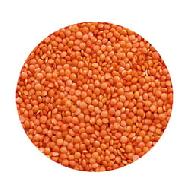
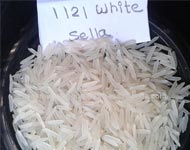
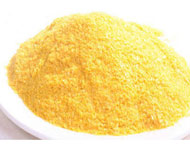
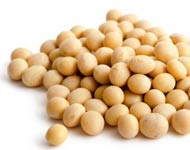
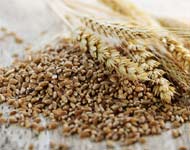
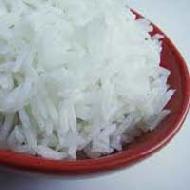
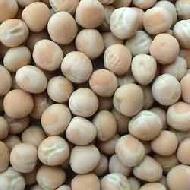
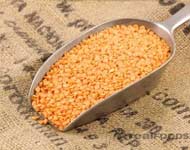
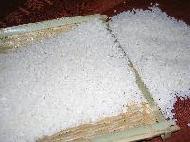
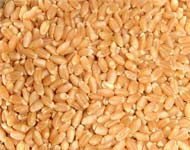
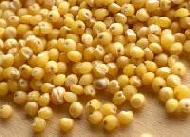
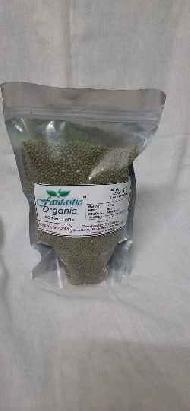
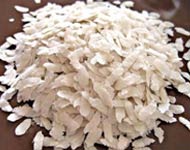
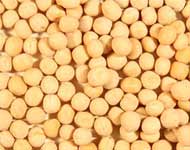
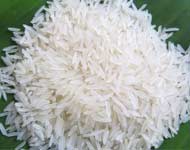
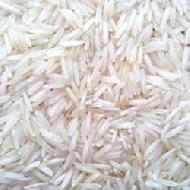
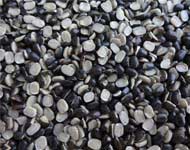
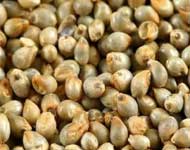
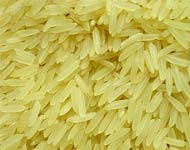
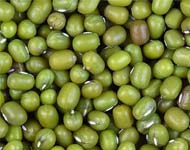
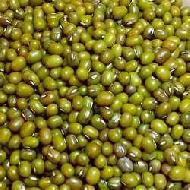
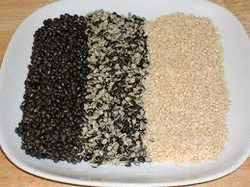
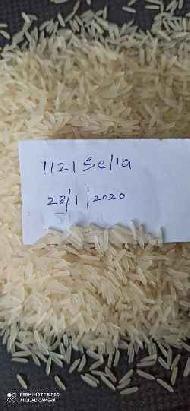
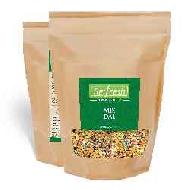
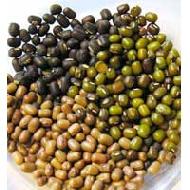
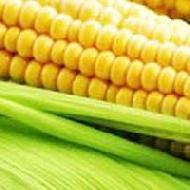
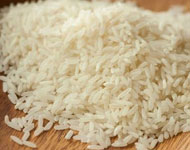
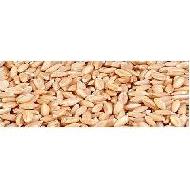
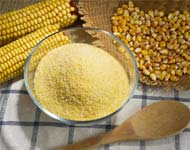
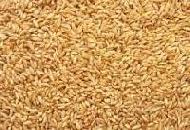
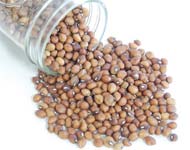
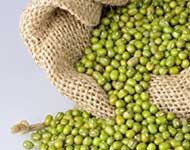
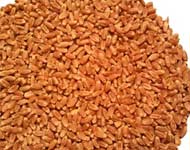
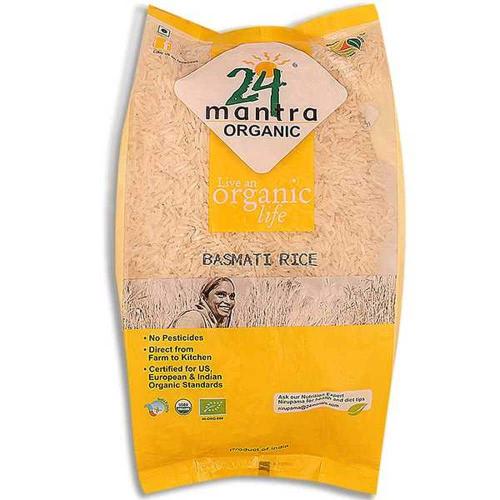
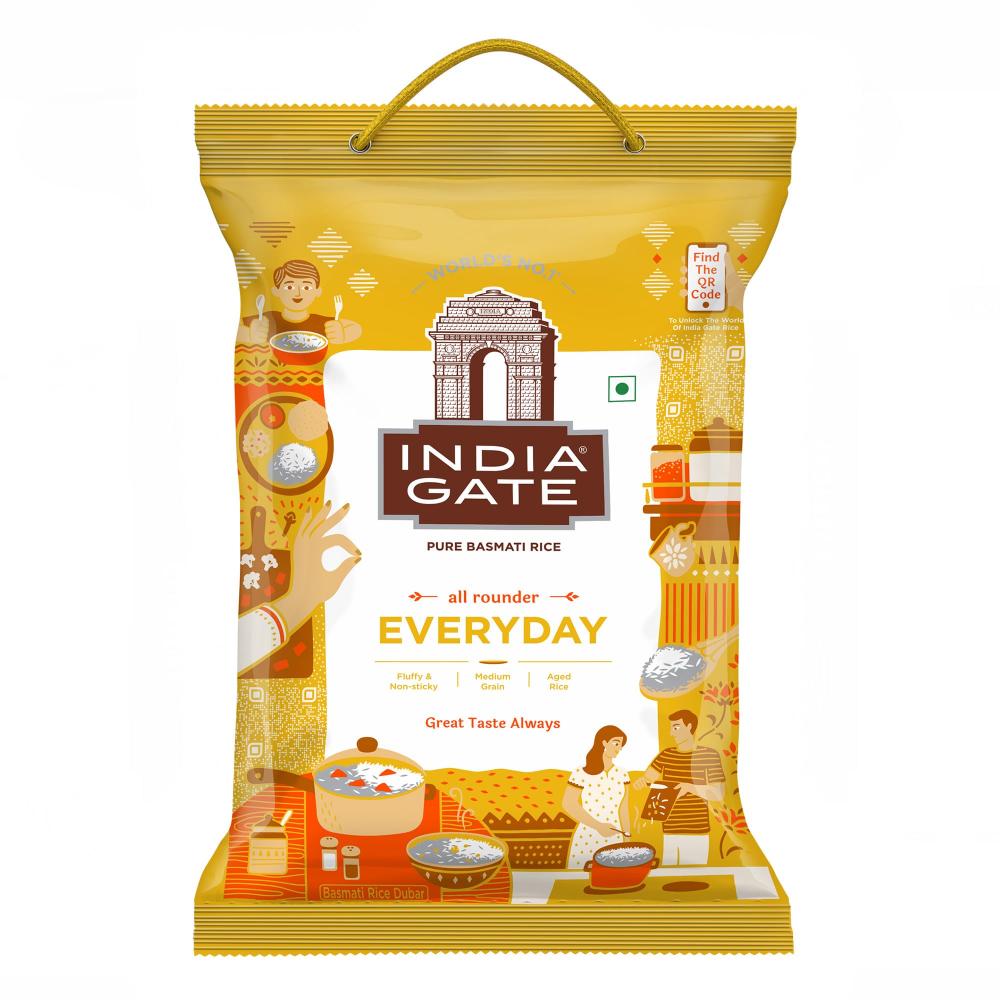
Source food grains — rice, wheat, maize, oats and other staple grains — from suppliers, manufacturers and exporters listed on Click4Exports for wholesale, bulk and export B2B procurement.
Food grains are the whole edible grains and staple-food grains traded for food use, milling and processing. On Click4Exports, the Food Grains category brings together suppliers, manufacturers and exporters across a range of grains and their varieties, connecting B2B buyers with businesses for wholesale distribution, food processing and export. Buyers can compare grain types, varieties and grades, share exact requirements and request quotations for bulk and container-load volumes.
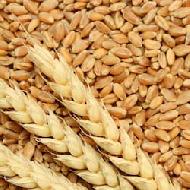
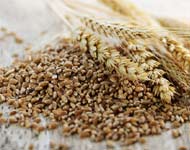
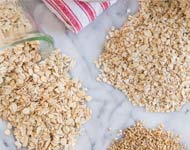
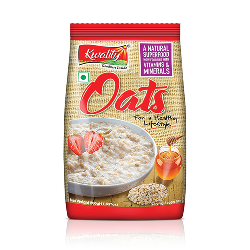
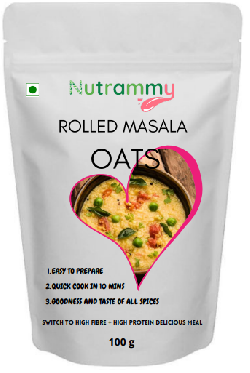
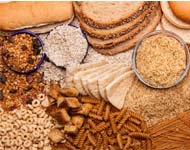
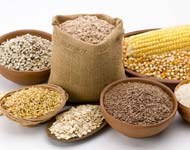
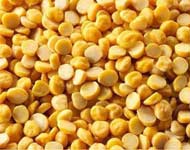
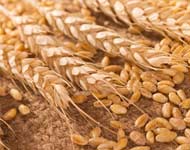
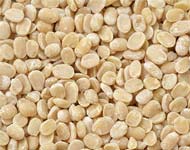
The category spans the main traded food grains and, within each, a range of varieties and grades. Buyers commonly source rice, wheat, maize, oats and other staple grains supported by the category:
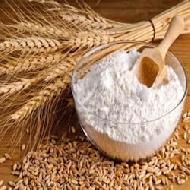
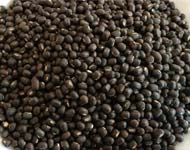
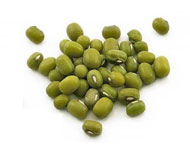
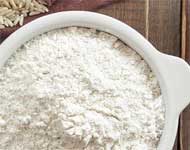
Identifying the grain and variety makes it easier to shortlist the right supplier. Flour and other processed grain products, pulses and legumes, and planting seeds are handled in their respective categories, so buyers can route each requirement to the right place.
Grain pricing and suitability depend on variety, grade and quantity, not the grain name alone. To receive accurate, comparable quotations, buyers should provide:
The Food Grains category is aimed at B2B procurement — wholesale distribution, food processing and export orders. Buyers can request bulk and container-load quantities, compare offers from multiple businesses, and discuss repeat or contract supply. Requirements such as grade consistency, packaging and shipment terms vary by order, so confirm them with the supplier.
Click4Exports lists food grain suppliers, manufacturers and exporters together, so buyers can shortlist by the grains offered and the role that fits their sourcing — trade supply, processing or export. This sits within the wider agriculture range on Click4Exports, alongside related categories such as flour, beans and agriculture seeds, letting a buyer route a wholesale purchase or an export order to the businesses best suited to it.
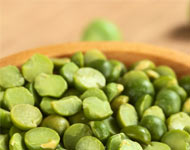
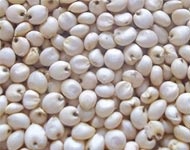
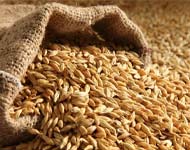
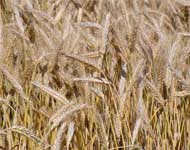
Food grains are whole edible grains and staple-food grains such as rice, wheat, maize and oats, traded for food use, milling and processing. The Food Grains category represents these grains and their varieties. Buyers source them by grain, variety and grade, in wholesale, bulk and container-load quantities.
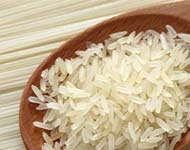
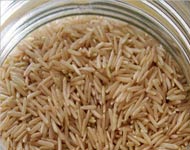
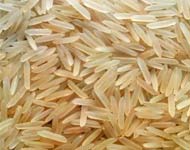
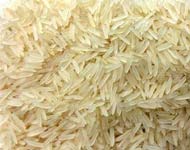
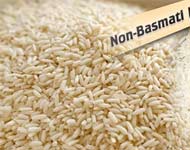
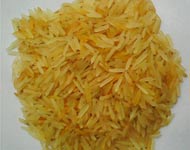
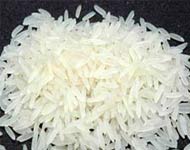
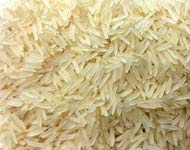
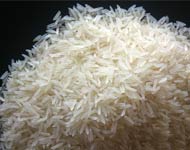
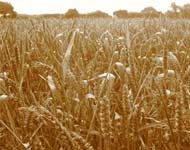
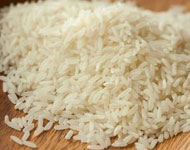
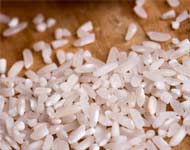
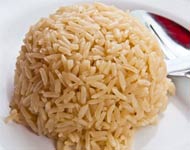
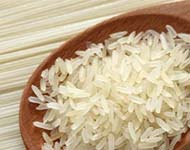
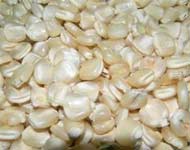
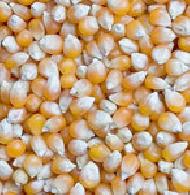
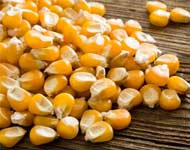
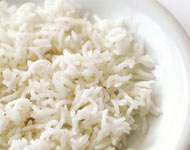
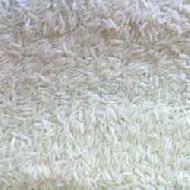
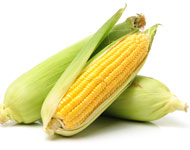
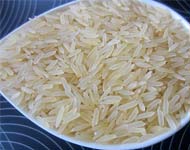
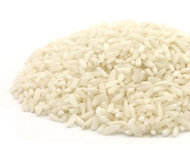
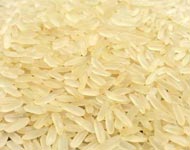
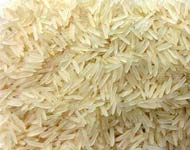
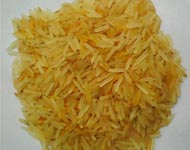
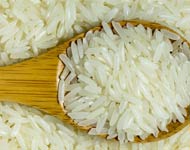
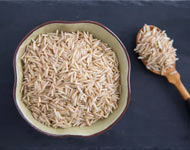
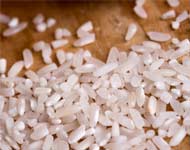
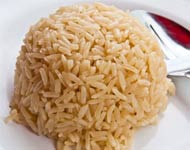
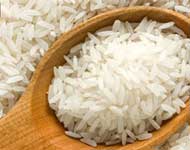
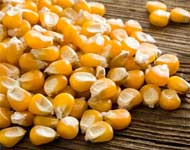
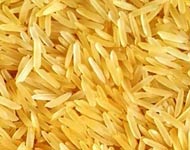
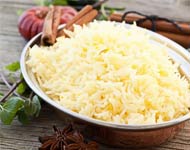
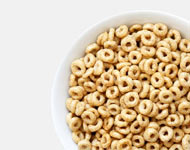
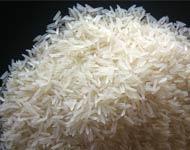
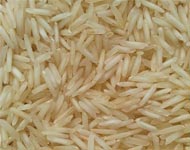
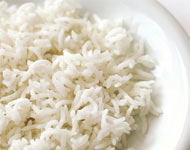
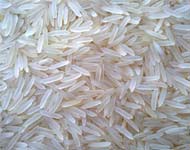
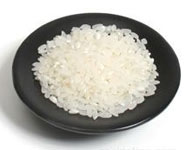
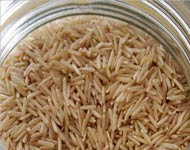
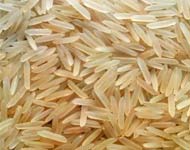
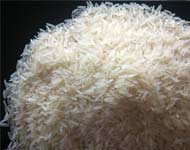
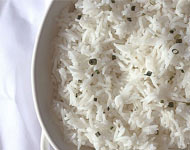
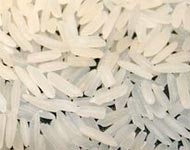
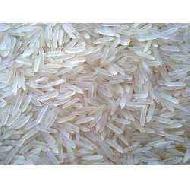
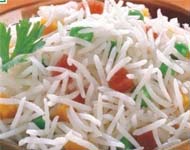
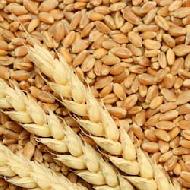
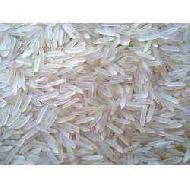
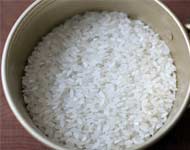
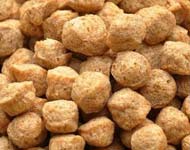
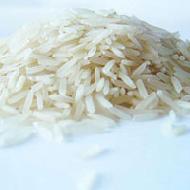
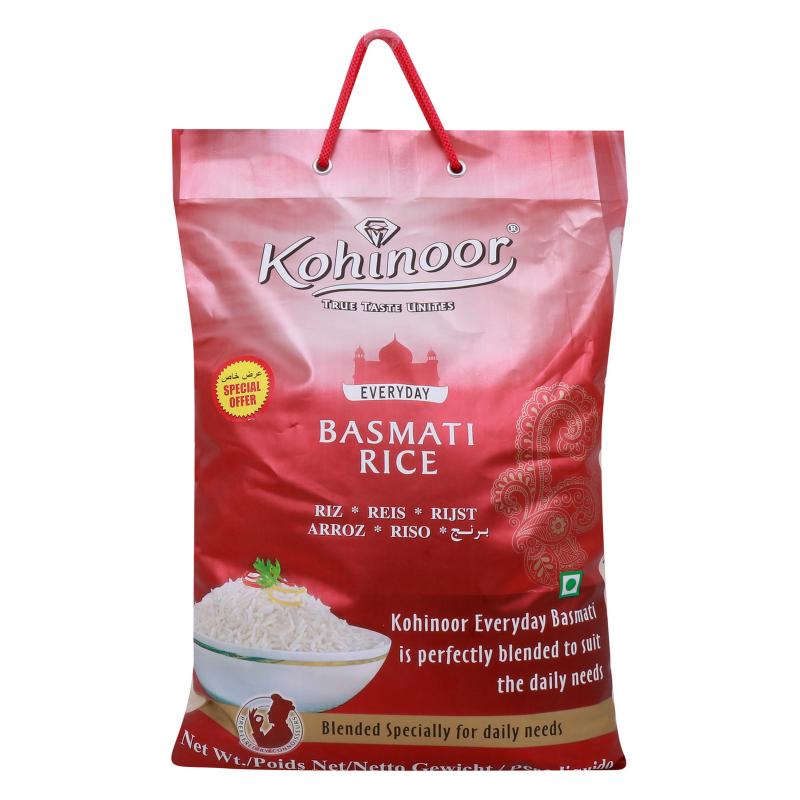
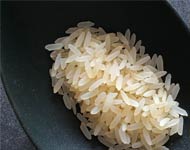
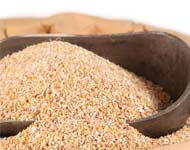
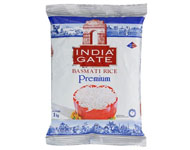
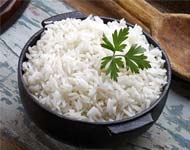
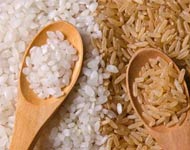
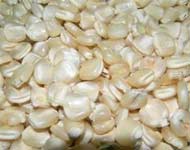
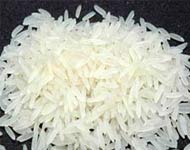
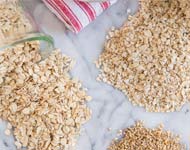
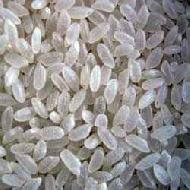
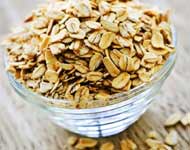
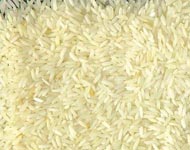
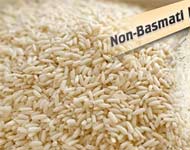
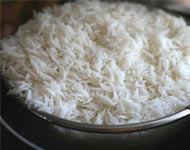
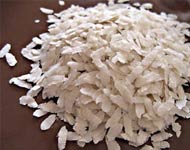
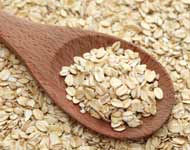
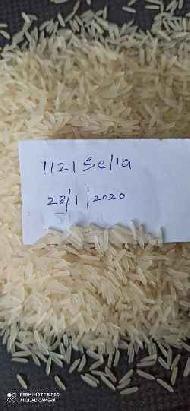
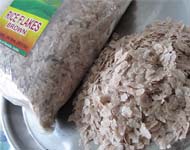
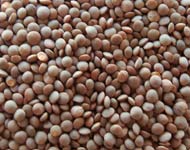
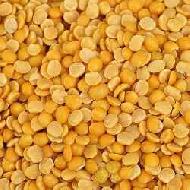
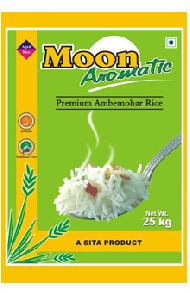
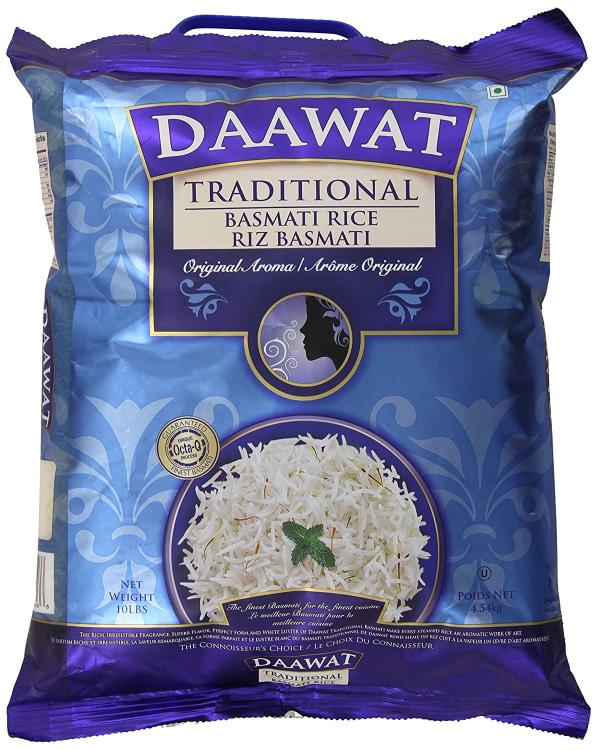
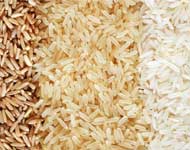
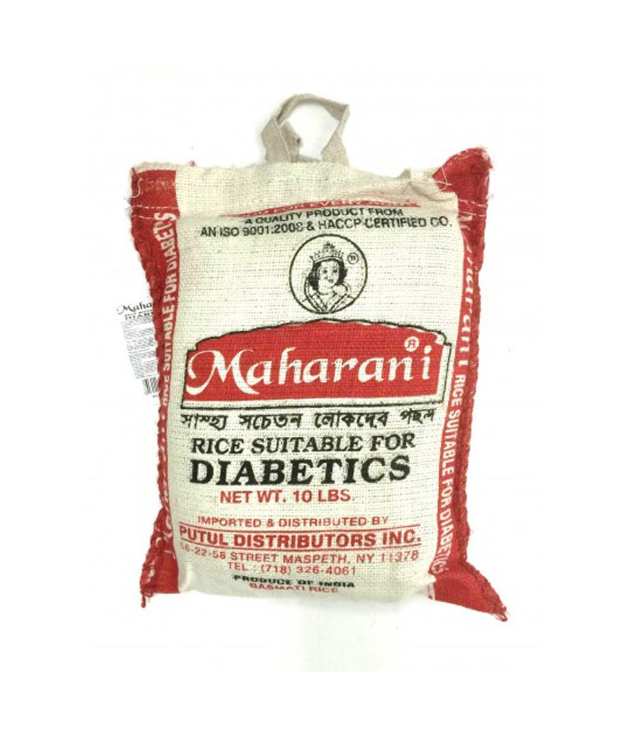
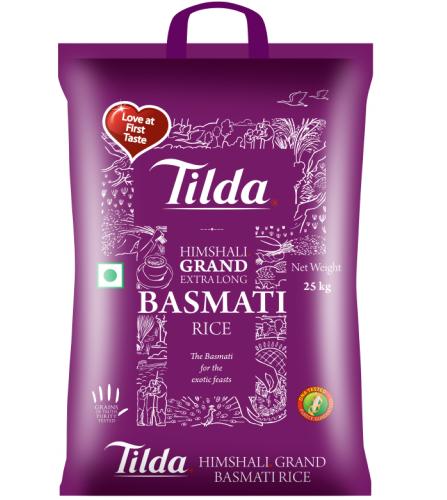
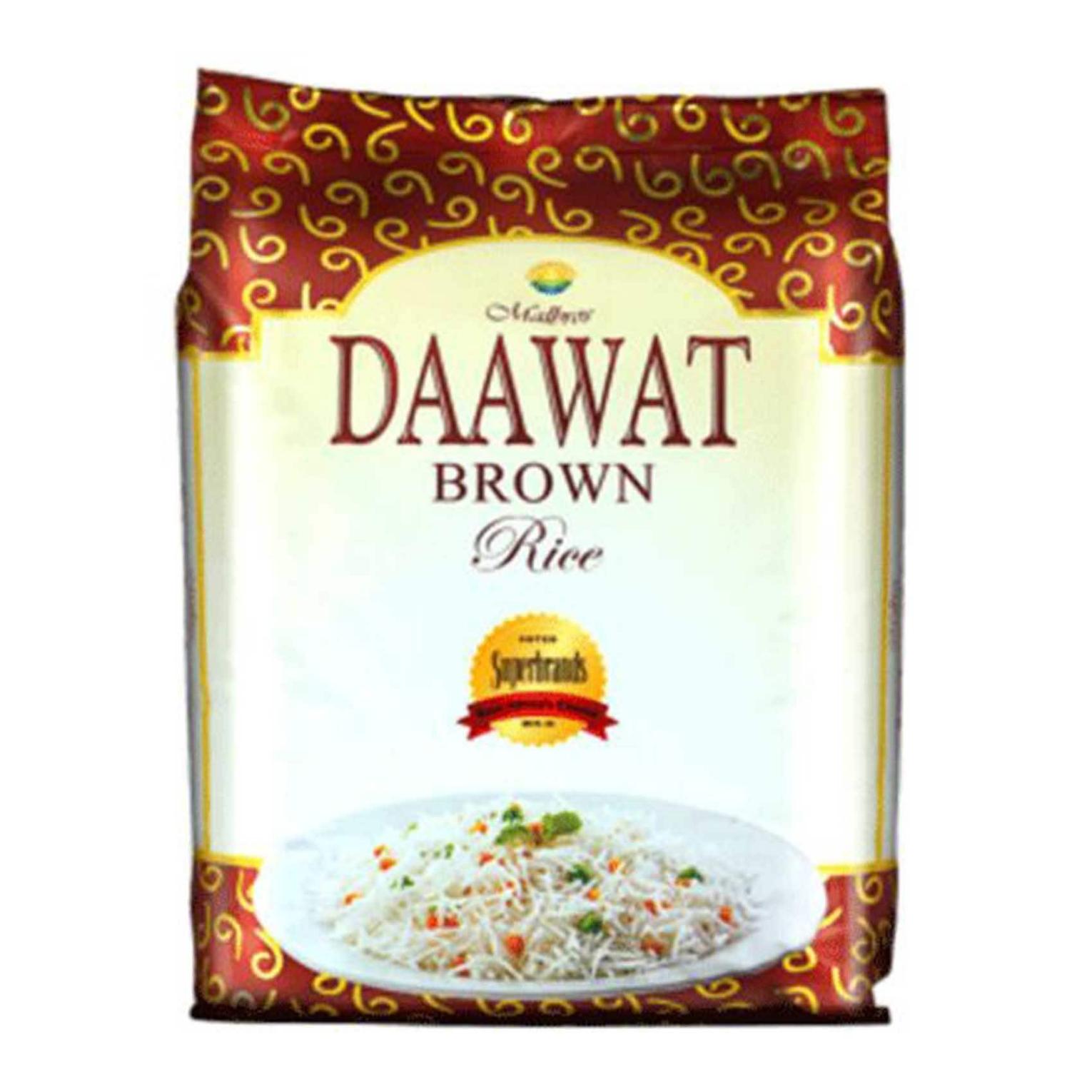
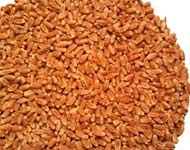
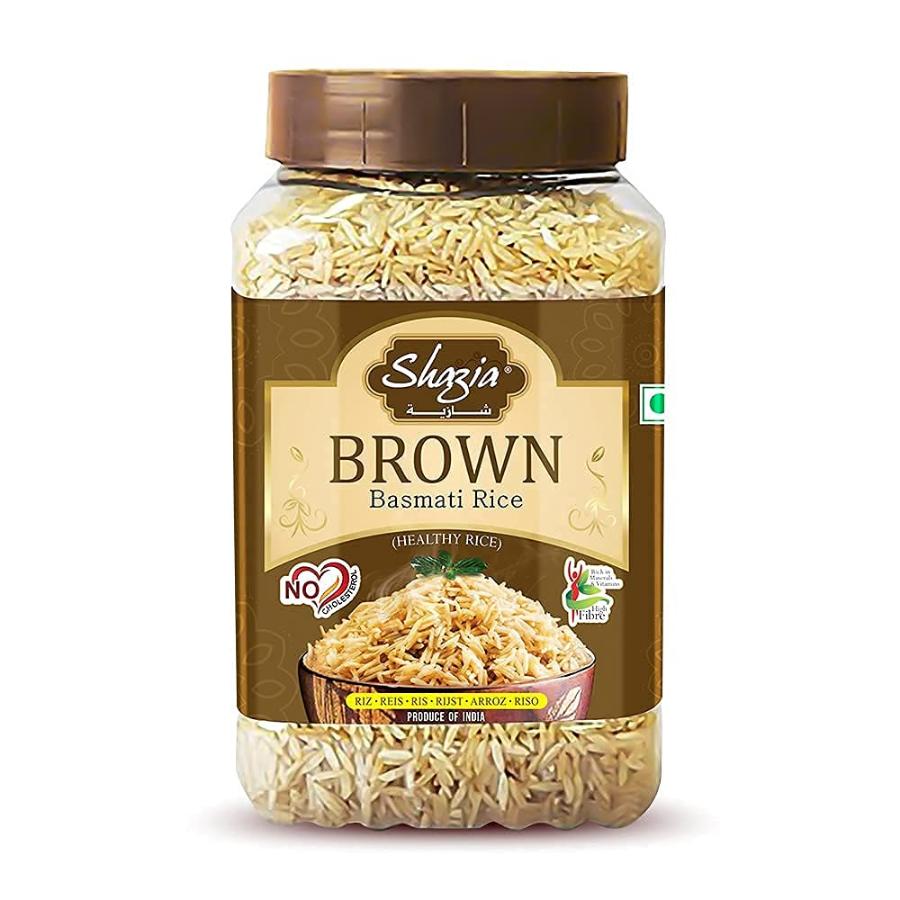
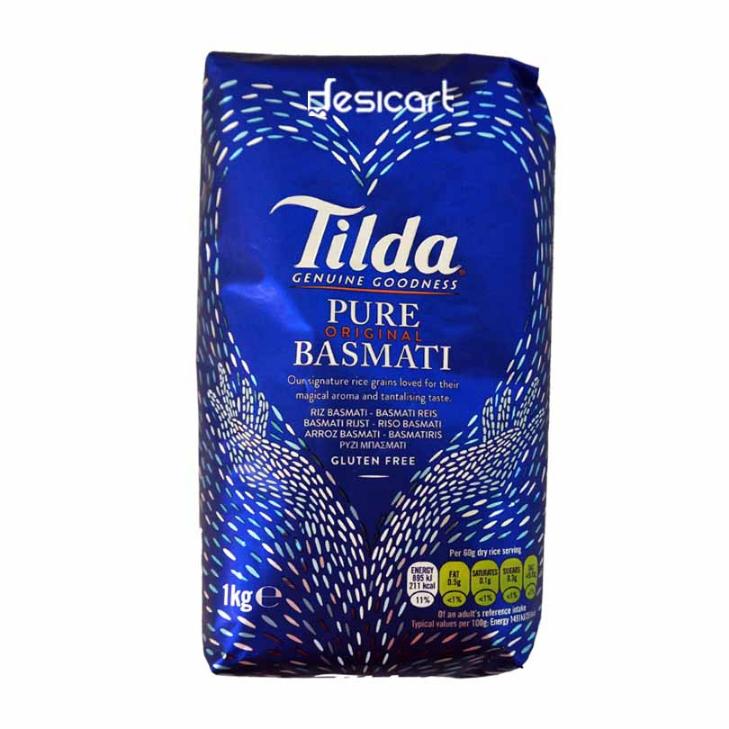
Buyers commonly source rice (basmati and non-basmati, sella/parboiled, brown and boiled), wheat (durum and milling wheat), maize, oats and other staple grains supported by the category. Within each grain, variety, grade and grain length vary. The right choice depends on your end use — food retail, milling or processing — so confirm the variety and specification with each supplier.
Match the supplier to the specific grain and variety you need, and confirm they can meet your grade, packaging and quantity. Ask how they check grade consistency and moisture, and whether they handle export documentation for your market. Comparing offers from several suppliers on the same specification helps you shortlist fairly.
State the grain and variety, the grade and specification (grain length, broken percentage, moisture and purity as relevant), the quantity (including whether container-load), the packaging required, and the destination market. These details let suppliers, manufacturers and exporters return accurate, comparable quotations.
Yes — the category is aimed at wholesale, bulk and export procurement, from sample quantities through to container loads. Buyers can compare offers from suppliers, manufacturers and exporters and discuss shipment terms and documentation. Minimum order quantity, pricing and packaging vary by business, so confirm these with each supplier.
Confirm the grain's grade and specification against your requirement, the bag size or bulk packaging and any marking or private-label need, and the available quantity and lead time. For imports, confirm the trade documents your destination requires. Because these vary by product and business, agree them in writing before ordering.
Food grains are the whole edible and traded grains and staple grains represented by this category. Processed grain products, pulses and legumes, and planting seeds each have their own categories. Sourcing from the category that matches your product helps you reach the right suppliers and avoids mismatched enquiries.
Food grains are traded for food use, milling and processing. Buyers typically include wholesale distributors, food processors, importers and exporters who source by grain, variety and grade. Describe your intended use and quantity when you enquire so suppliers can recommend a suitable product and specification.
Go Mobile


Connect with us