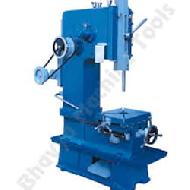
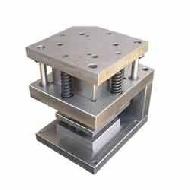
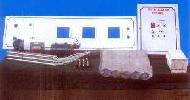
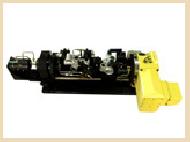
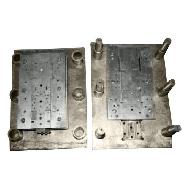
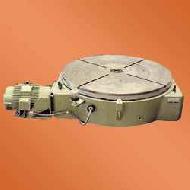
Source machine tools — CNC and conventional lathes, milling machines, machining centers, drilling, boring and grinding machines — from suppliers, manufacturers and exporters listed on Click4Exports for industrial, OEM and bulk B2B procurement.
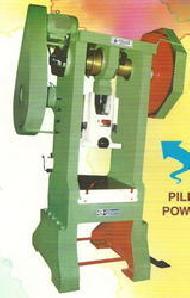
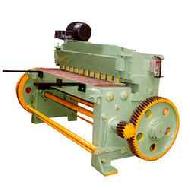
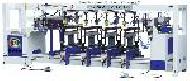
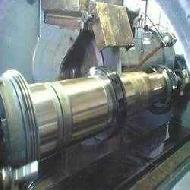
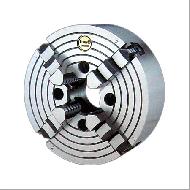
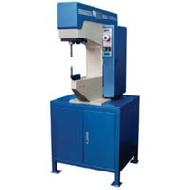
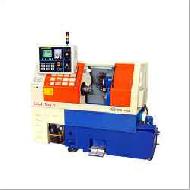
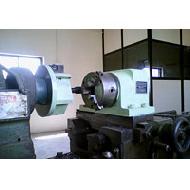
Machine tools are powered machines that shape metal and other materials by machining operations such as turning, milling, drilling, boring and grinding. Unlike the consumable tooling that makes the cut or the tools used by hand, a machine tool is the equipment that holds the workpiece and drives the cutting tool. On Click4Exports, the Machine Tools category connects B2B buyers with suppliers, manufacturers and exporters of machine tools for manufacturing, engineering, fabrication and production workshops. Buyers can compare machine types and capabilities, share exact requirements and request quotations for single machines, production lines or OEM supply.
Machine tools are usually grouped by the machining operation they perform. Identifying the type you need makes it easier to shortlist the right supplier:
Machine tools are broadly split into conventional (manually operated) machines and CNC (computer numerical control) machines that run programmed operations. Conventional machines suit low-volume, repair and general workshop work; CNC machines suit repeatable, higher-precision and higher-volume production. The right choice depends on part complexity, tolerance, batch size and budget, so buyers should describe the parts they intend to produce when enquiring.
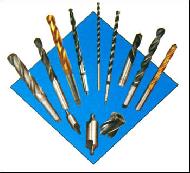
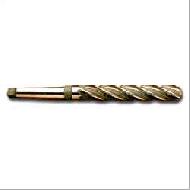
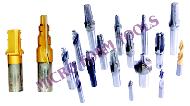
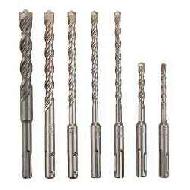
A machine tool is the machine; the tooling it drives is different. The consumable tooling that removes material — drills, end mills, inserts and saw blades — sits under cutting tools, and manually operated tools sit under hand tools. Grinding and milling consumables are grouped under milling and grinding tools. All of these sit within Tools & Equipment on Click4Exports, so buyers can route a request to the category that matches the requirement.
Machine tool selection depends on the work it must do, not the name alone. To receive accurate, comparable quotations, buyers should provide:
Machine tools are used to make and finish components for automotive, general engineering, moulds and dies, aerospace, and capital equipment manufacture. Buyers range from job shops and OEMs to distributors and importers, and requirements span single replacement machines to full production lines.
The Machine Tools category is aimed at B2B and capital procurement — production expansion, plant setup and distributor supply. Buyers can request quotations for single or multiple machines, compare offers from different businesses, and discuss installation, commissioning and after-sales support. Where a machine must meet a specific configuration, ask the supplier whether they support custom or OEM builds, since this varies by business.
Click4Exports lists machine tool suppliers, manufacturers and exporters together, so buyers can shortlist by the machines offered and the role that fits their sourcing — trade supply, direct manufacturing or export. This lets a buyer route a single-machine purchase, a production requirement or an export order to the businesses best suited to it.
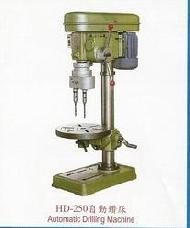
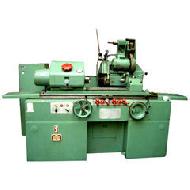
Machine tools are powered machines that shape metal and other materials through machining operations such as turning, milling, drilling, boring and grinding. They hold the workpiece and drive the cutting tool, which distinguishes them from consumable cutting tools and from manual hand tools. Common types include lathes, milling machines, machining centers, drilling and boring machines, grinders and EDM machines, supplied in both conventional and CNC forms.
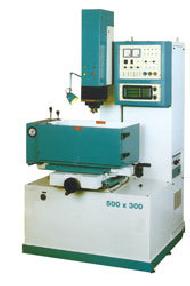
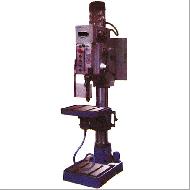
The main types are lathes and turning centers, milling machines and machining centers, drilling and boring machines, grinding machines, and EDM (die-sink and wire-cut) machines. Each is suited to a particular operation and part type. The right machine depends on the parts you make, their tolerance and your batch size, so describe the intended work when requesting a quotation.
Conventional machine tools are operated manually and suit low-volume, repair and general work, while CNC machine tools run programmed operations for repeatable, higher-precision, higher-volume production. CNC typically costs more but reduces labour per part and improves consistency. The best choice depends on part complexity, tolerance, volume and budget, which buyers should share with the supplier.
State the operation and machine type (and CNC or conventional), the work envelope or capacity, the required tolerances and finish, the preferred control and any automation, and your power supply and floor space. Also give the quantity and whether new or refurbished machines are acceptable. These details let suppliers, manufacturers and exporters return accurate, comparable quotations.
Confirm the machine's capacity and accuracy against your parts, the control and automation, and the power and space it needs. Ask about installation, commissioning, operator training, warranty, spare parts and after-sales support, and — for a used machine — its condition and history. Because these vary by supplier, confirm them in writing before committing to a purchase.
Yes — the category supports single-machine purchases through to production lines and distributor supply. Buyers can compare offers from suppliers, manufacturers and exporters and discuss export handling for cross-border orders. For specific configurations, ask the supplier whether they support custom or OEM builds, as capability, lead time and pricing vary between businesses.
A machine tool is the machine that performs the machining; a cutting tool is the consumable tooling it drives, such as drills, end mills and inserts. Buyers usually source both, but from different categories: machines here, and tooling under cutting tools. Keeping the two separate helps you reach the right suppliers for each part of the requirement.
Go Mobile


Connect with us