Product Detail
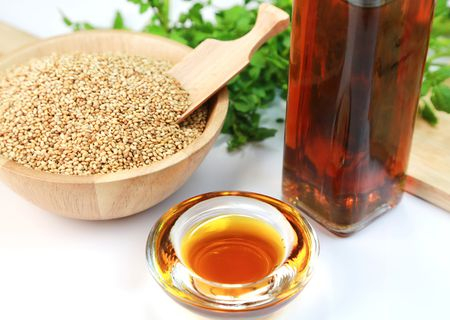
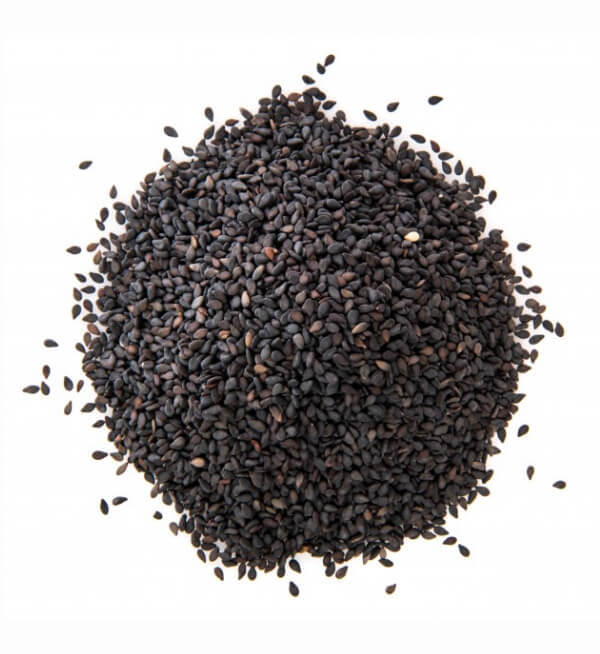
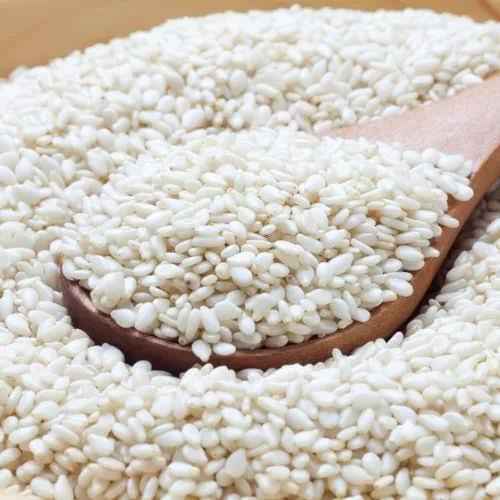
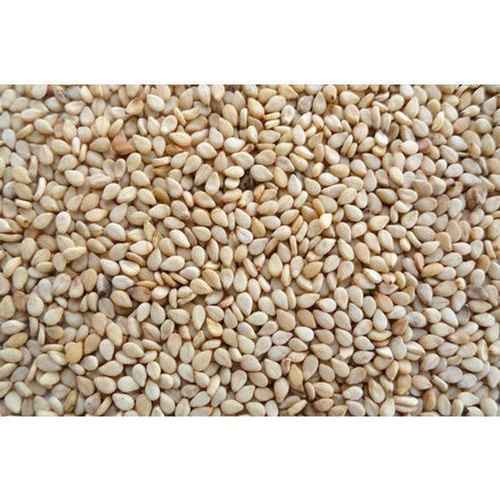
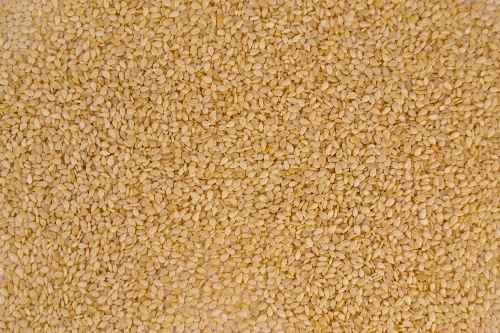
Sesame refers to both the plant (Sesamum indicum) and its seeds, which are commonly used in cooking and for extracting oil. Here are some key points about sesame: Sesame Seeds: The seeds of the sesame plant come in different colors, including white, black, and brown. They are tiny, flat, and have a rich, nutty flavor. Culinary Uses: Seeds: Sesame seeds are used as a topping for various baked goods, salads, and stir-fries. They can be sprinkled on sushi, used in granola, or incorporated into dishes for added crunch and flavor. Oil: Sesame oil, extracted from sesame seeds, is a popular cooking oil in many Asian cuisines. It adds a distinctive nutty flavor to dishes. There are both light and dark varieties of sesame oil, each with its specific culinary uses. Tahini: Tahini is a paste made from ground sesame seeds. It's a key ingredient in Middle Eastern cuisine and is used to make dishes like hummus and baba ganoush. Nutritional Content: Sesame seeds are rich in healthy fats, protein, vitamins (such as B vitamins), minerals (including calcium, iron, and magnesium), and antioxidants. Sesame Allergies: Sesame allergies are becoming more recognized as a significant allergen. Some individuals may experience allergic reactions to sesame seeds or sesame oil.
- Commodity Type Sesame
- Cultivation Type GMO, Natural, Organic
- Drying Process Machine Drying, Natural Drying, Sun Drying
- Features Chemical Free, Gluten Free
- Form Granules, Paste, Powder
- Moisture 1-3%max, 3-6%mac, 5%, 6%, 6-9%max, 7%, 8%, 9%
- Packaging Size 100gm, 10kg, 1kg, 25kg, 500gm, 50gm, 50kg, 5kg
- Packaging Type Gunny Bags, Jut Bags, Plastic Packets, Plastic Bags
- Purity 100%, 99%, 99.99%
- Seed Type Black Sesame, Brown Sesame
- Shelf Life 0-30 Days, 30-60 Days, 60-120 Days
- Use Agricultural, Making Oil