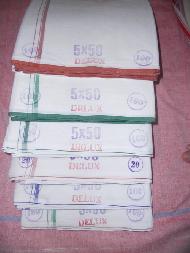
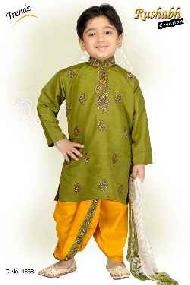
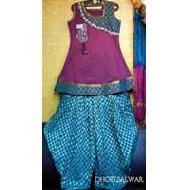
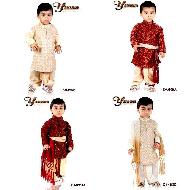
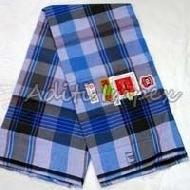
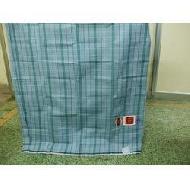
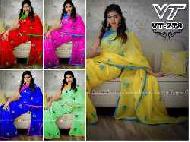
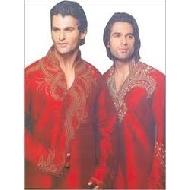
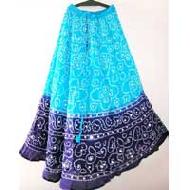
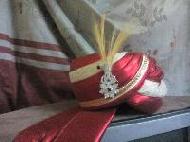
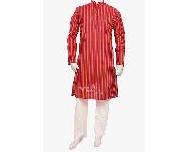
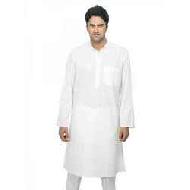
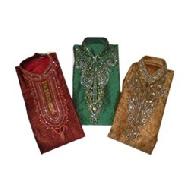
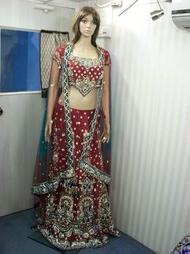
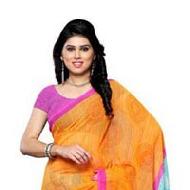
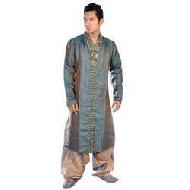
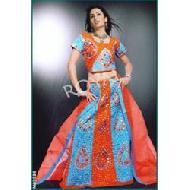
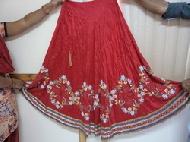
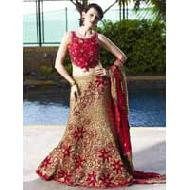
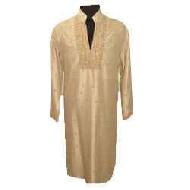
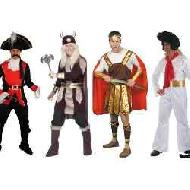
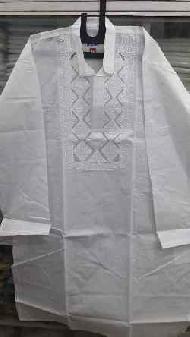
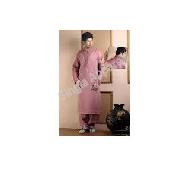
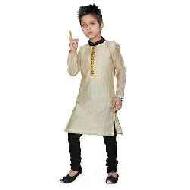
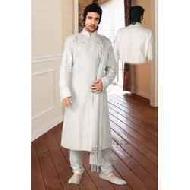
Find traditional clothing and dress manufacturers, suppliers and exporters on Click4Exports. Explore kurta pajama, dhoti, lungi, ghagra choli, turbans and other ethnic wear for wholesale, private label and export sourcing.
Traditional clothing and dresses cover ethnic and regional garments bought by retailers, importers, wholesalers, boutiques and event or costume buyers. On Click4Exports, buyers can find traditional clothing manufacturers, suppliers and exporters and send enquiries for the garments, fabrics and quantities they need. This page is part of the wider Apparel & Fashion category.
Traditional garments are listed in cotton, silk, polyester and other fabrics, in plain, printed, woven, embroidered or tie-dyed finishes. Buyers should state the fabric type, composition, weight, colours, pattern, embroidery or print details, lining and finishing they want. Terms such as chikan, bandhani, designer or fancy describe how a supplier lists a product, so confirm the actual fabric, work and finish directly with the supplier and approve a sample before ordering.
Sizing for traditional garments varies by garment type, region and age group. Specify the size range and size chart, whether pieces are stitched, semi-stitched or unstitched, and the length, fit and measurements that matter for the style, such as kurta length, waist and hip for lower garments, or blouse measurements for a choli. Approve a fit sample before bulk production.
Fibre-content, care-label and origin marking requirements differ by destination country, and rules may differ for children's products. Buyers should confirm the requirements for their market and ask suppliers what test reports or documents they can provide for the specific product.
Some suppliers may offer custom designs, colours, embroidery, prints, sizes, private labels and branded packaging. Share design references, colour swatches, size charts and artwork files so suppliers can respond accurately.
Compare suppliers on their product range, relevant export experience, sampling process, communication and ability to follow a design or specification. Request a company profile, product photos and references where appropriate, and verify claims directly before placing an order.
Approve a pre-production sample against the agreed specification, including fabric, colour, embroidery or print placement, stitching, measurements and finishing. Many buyers arrange an inspection of finished goods before shipment.
Agree on how garments will be folded, bagged or boxed, along with labels, hangers or sets, inner packs and cartons, before production. Confirm the Incoterms, documentation and freight arrangements with the supplier.
Explore related categories such as Saree and Lehenga, Mens Clothing and Womens Clothing.
Buyers can send enquiries for kurta pajama, dhoti, lungi, ghagra choli, turbans and other ethnic or folk wear for men, women and children. Availability depends on each supplier, so state the garment, fabric, size range and quantity you need.
Specify the fabric type, composition, weight, colours, pattern, embroidery or print details, lining and finishing. Terms such as chikan, bandhani, designer or fancy describe how a supplier lists a product, so ask the supplier to confirm the actual fabric and work and approve a sample before bulk production.
Sizing varies by garment type, region and age group. Specify the size range and size chart, whether pieces are stitched, semi-stitched or unstitched, and the measurements that matter for the style, such as kurta length, waist and hip, or blouse measurements. Approve a fit sample before bulk production.
Include the garment type and style, fabric and composition, colours, print or embroidery requirements, size range and stitched or unstitched format, required quantity, sample needs, labelling or packaging requirements, destination country and target timeline. You can post a buy requirement to share these details with suppliers.
Some suppliers may offer custom designs, colours, embroidery, prints, sizes, private labels and branded packaging. Share design references, colour swatches, size charts and artwork files, and confirm what each supplier can do before placing an order.
Requirements depend on the destination country and the product, and may cover fibre-content, care and origin labelling, with additional rules for children's products in some markets. Confirm the rules for your target market and ask suppliers which test reports or documents they can provide for your specific product.
Compare suppliers on product range, relevant export experience, sampling process, communication and ability to follow a design or specification. Request a company profile and product photos, verify claims directly, and approve a pre-production sample before confirming a bulk order.
Agree on how garments will be folded, bagged or boxed, plus labels, hangers or sets, inner packs and cartons, before production. Also confirm the Incoterms, export documentation and freight arrangements with the supplier.
Go Mobile


Connect with us