Source agricultural tractors and tractor parts from suppliers, manufacturers and exporters on Click4Exports for wholesale, bulk and export B2B procurement.
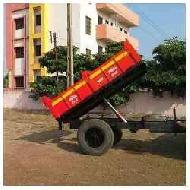
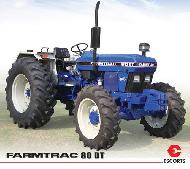
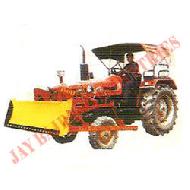
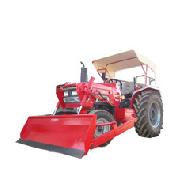
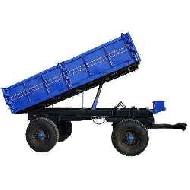
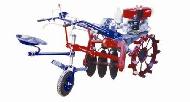
Tractors and tractor parts cover agricultural tractors and the replacement and spare components used to keep them running. On Click4Exports, this category connects B2B buyers with suppliers, manufacturers and exporters of tractors and tractor parts for wholesale, bulk and export procurement. Buyers can compare parts by type and fitment, share exact requirements and request quotations.
Tractor parts are usually grouped by the system they belong to. Identifying the group and the fitment makes it easier to shortlist the right supplier:
Availability of a specific part, and whether it is OEM or aftermarket, varies by supplier, so confirm the exact part and fitment when enquiring.
Tractor parts depend on the machine they fit, not the part name alone. To receive accurate, comparable quotations, buyers should provide:
Tractors and tractor parts are sourced by farm-equipment dealers, repair workshops, distributors and importers building an aftermarket range, as well as agricultural businesses maintaining their own fleets. Because parts wear and are replaced, many buyers set up ongoing or repeat supply.
This category is aimed at B2B procurement — dealer and workshop supply, distributor stock and export orders. Buyers can request wholesale and bulk quantities, compare offers from multiple businesses, and discuss packaging, documentation and shipment terms. Minimum order quantity, pricing and OEM or custom-manufacturing capability vary by business, so confirm these with each supplier.
Click4Exports lists tractor and tractor-part suppliers, manufacturers and exporters together, so buyers can shortlist by the parts offered and the role that fits their sourcing — trade supply, direct manufacturing or export. For broader agricultural sourcing, explore Agriculture.
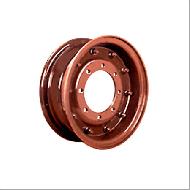
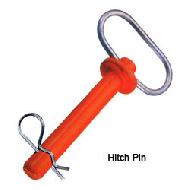
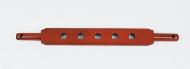
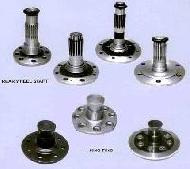
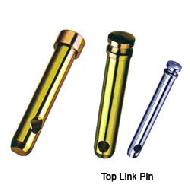
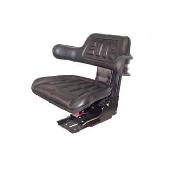
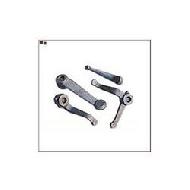
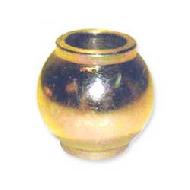
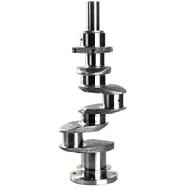
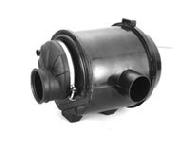
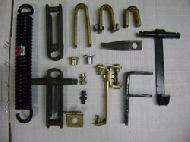
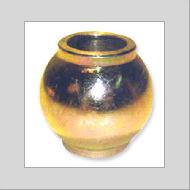
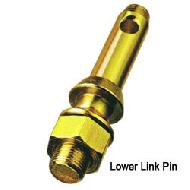
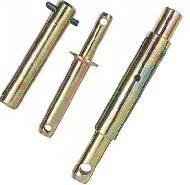
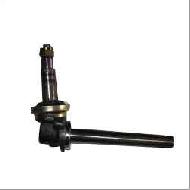
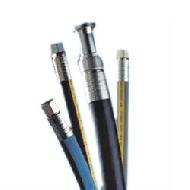
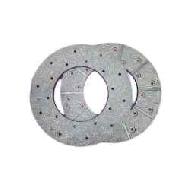
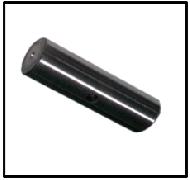
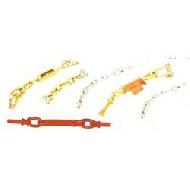
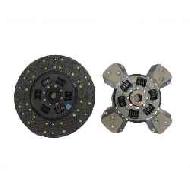
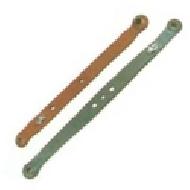
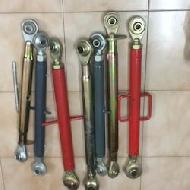
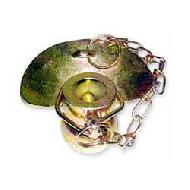
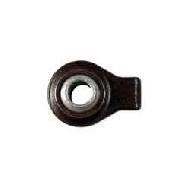
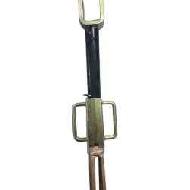
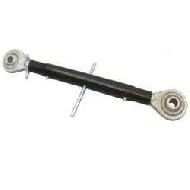
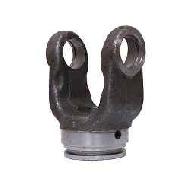
Buyers can source agricultural tractors and a range of spare and replacement parts, including linkage and hitch parts (top links, ball sockets, hitch pins, lift-arm parts), hydraulic parts, steering and axle parts, transmission, PTO and drivetrain parts, and engine, clutch and brake parts. Availability and whether a part is OEM or aftermarket vary by supplier, so confirm the exact part when enquiring.
Provide the part and the system it belongs to, the tractor make and model, the manufacturer part or reference number where available, whether OEM or aftermarket is acceptable, and the quantity needed. These details let suppliers, manufacturers and exporters match the correct part and return accurate quotations.
Compatibility is usually confirmed by the tractor make and model and by the manufacturer part number. Because the same part can differ between models and production years, share the machine details and part number and ask the supplier to confirm fitment before ordering rather than relying on the part name alone.
Commonly replaced items include linkage and hitch parts, hydraulic components, steering and axle parts, transmission and PTO parts, and engine, clutch and brake parts, as these wear with use. The right replacement depends on the machine and the fault, so describe both to the supplier.
OEM parts are made to the original-equipment manufacturer's specification, while aftermarket parts are produced by other manufacturers and can vary in price and specification. The right choice depends on your requirement and budget. Ask the supplier which they offer and confirm the specification and fitment for your tractor.
Beyond make, model and part number, relevant details can include material, dimensions and fitment, and whether the part is OEM or aftermarket. Being specific reduces mismatches, since parts vary between models and suppliers. Confirm the key specifications and fitment with the supplier before placing an order.
Buyers should evaluate suppliers on the parts range offered, fitment accuracy, manufacturing or supply capability, quantity handling, and their ability to provide documentation and meet delivery or export requirements. Comparing offers from several suppliers on the same part and specification helps you shortlist fairly.
Yes — tractors and tractor parts can be sourced for wholesale and bulk B2B procurement, and suppliers or exporters may support export depending on their capabilities. Buyers should provide part details, fitment and quantities, and confirm packaging, documentation and destination requirements directly with the supplier.
Go Mobile


Connect with us