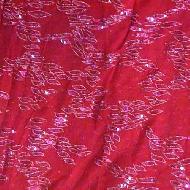
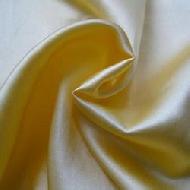
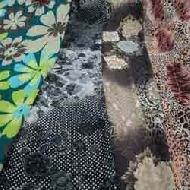
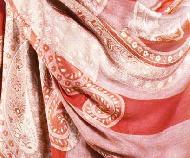
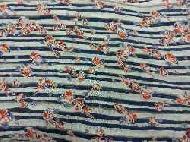
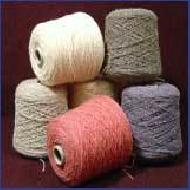
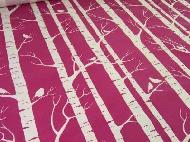
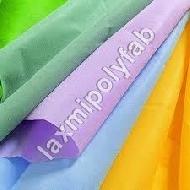
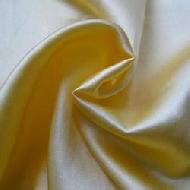
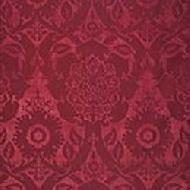
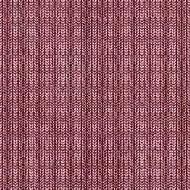
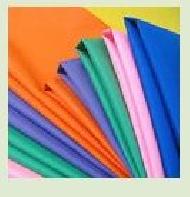
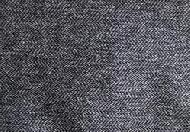
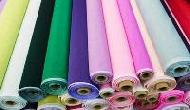
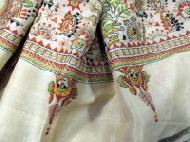
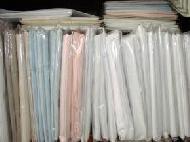
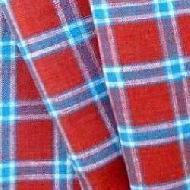
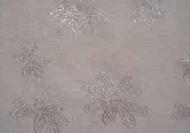
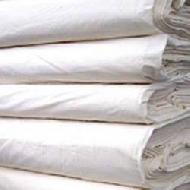
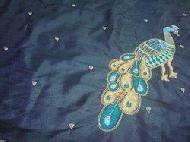
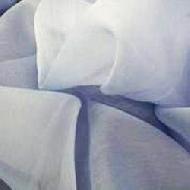
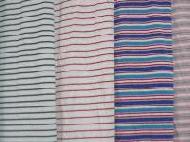
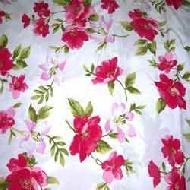
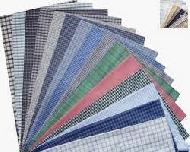
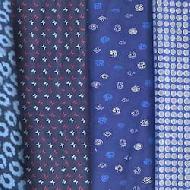
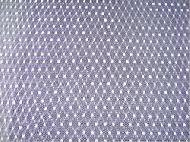
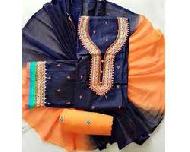
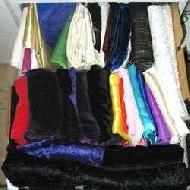
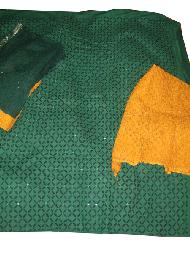
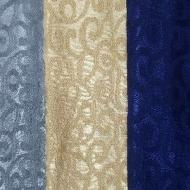
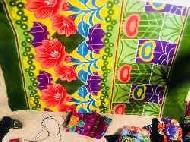
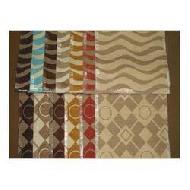
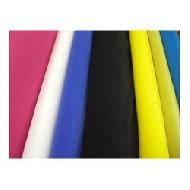
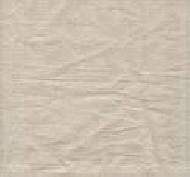
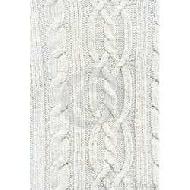
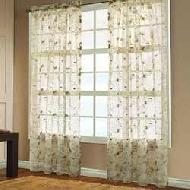
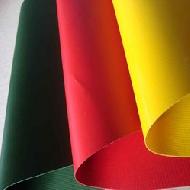
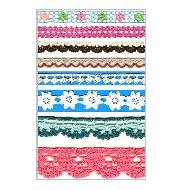
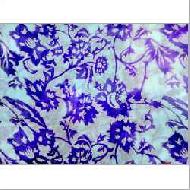
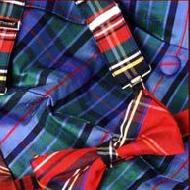
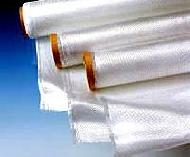
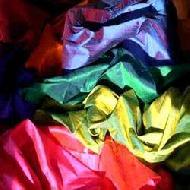
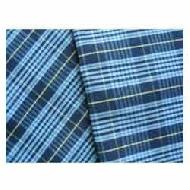
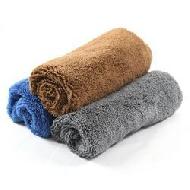
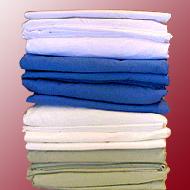
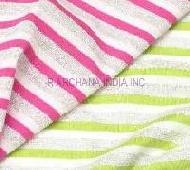
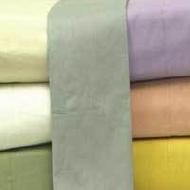
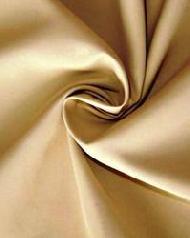
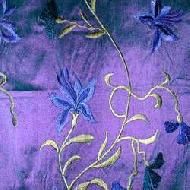
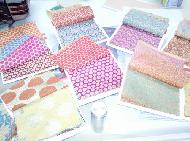
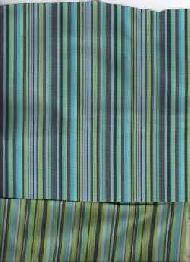
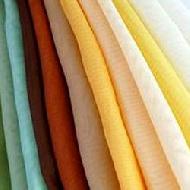
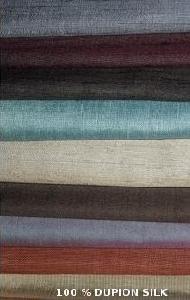
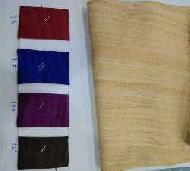
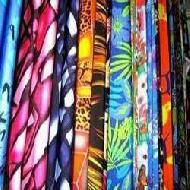
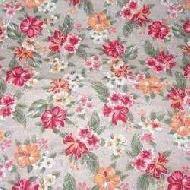
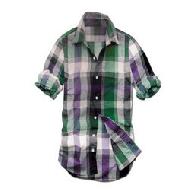
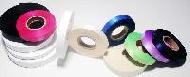
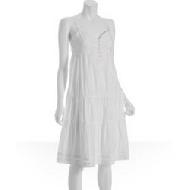
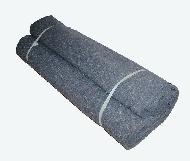
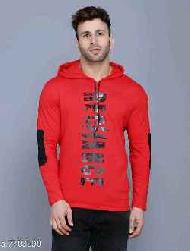
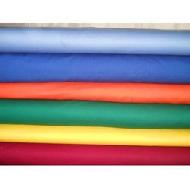
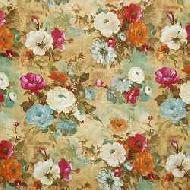
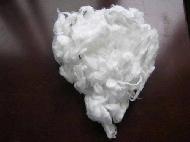
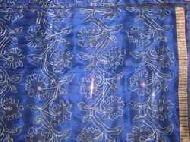
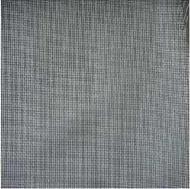
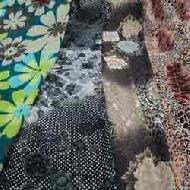
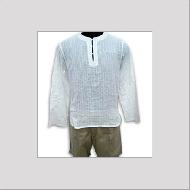
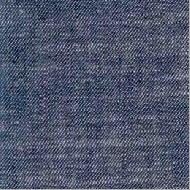
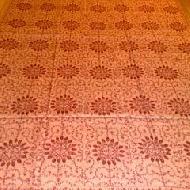
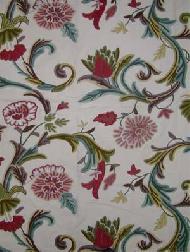
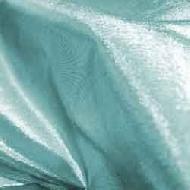
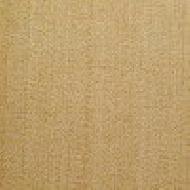
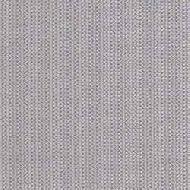
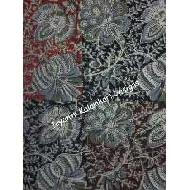
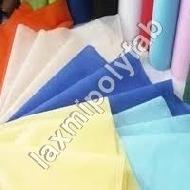
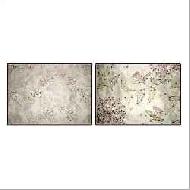
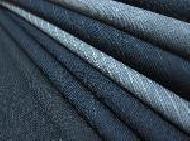
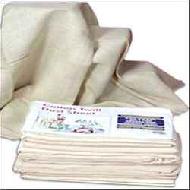
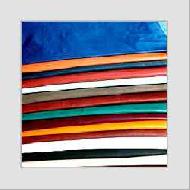
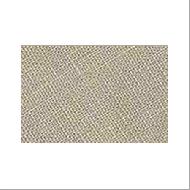
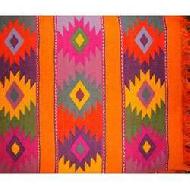
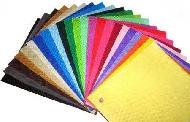
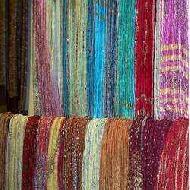
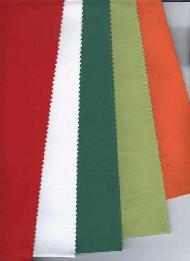
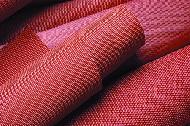
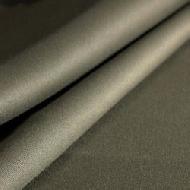
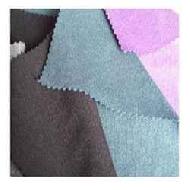
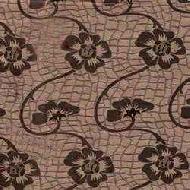
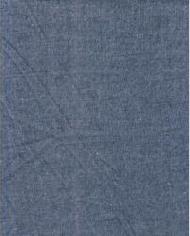
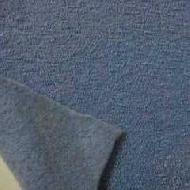
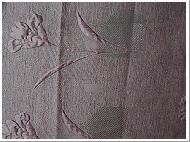
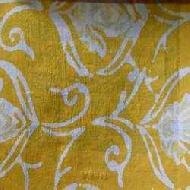
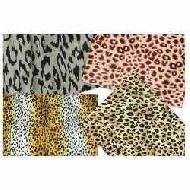
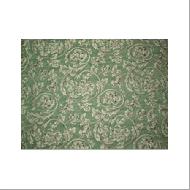
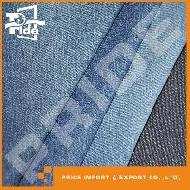
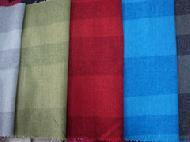
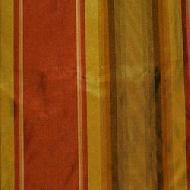
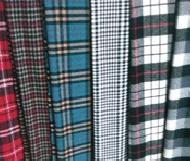
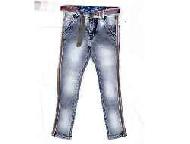
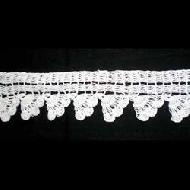
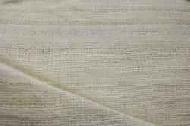
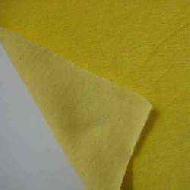
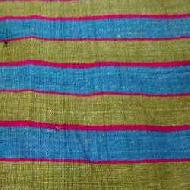
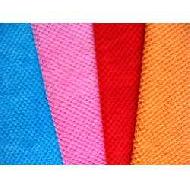
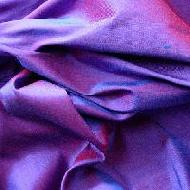
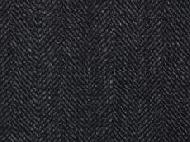
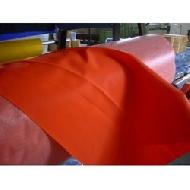
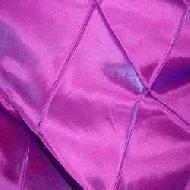
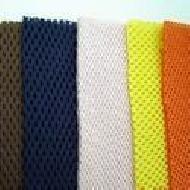
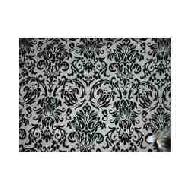
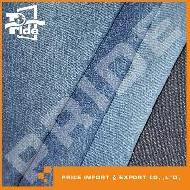
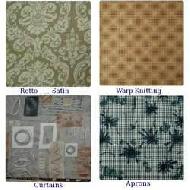
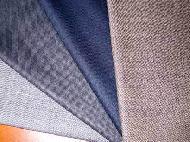
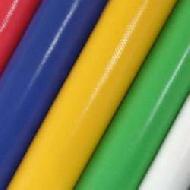
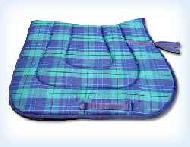
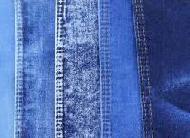
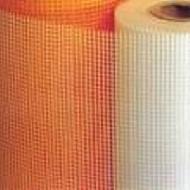
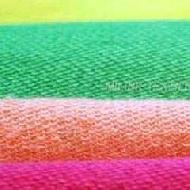
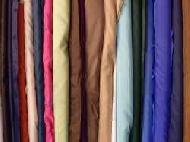
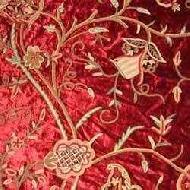
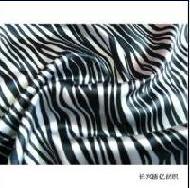
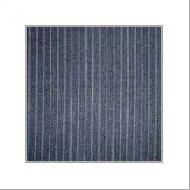
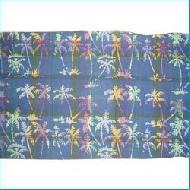
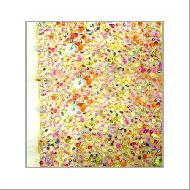
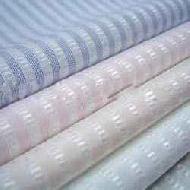
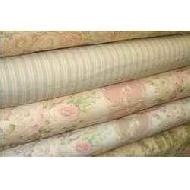
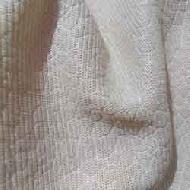
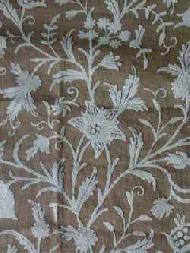
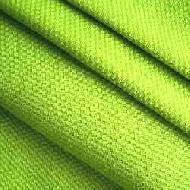
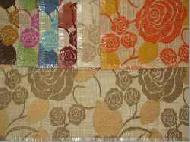
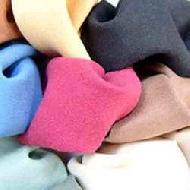
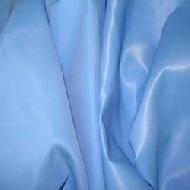
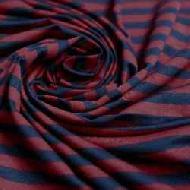
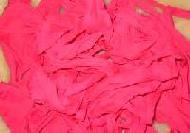
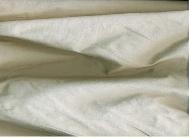
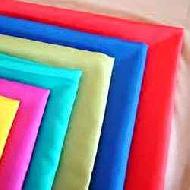
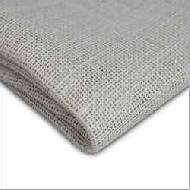
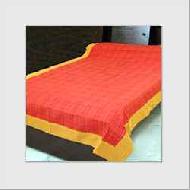
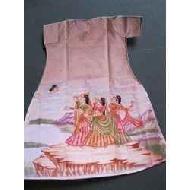
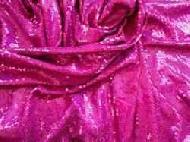
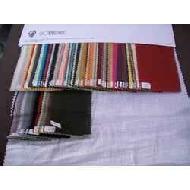
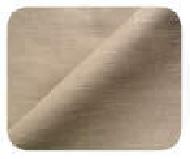
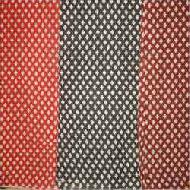
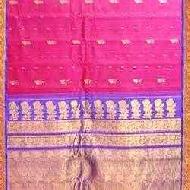
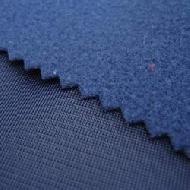
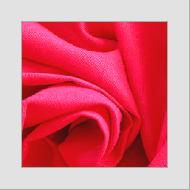
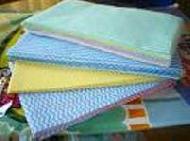
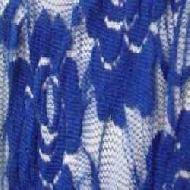
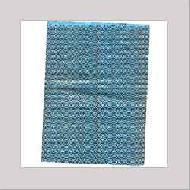
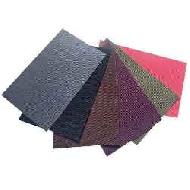
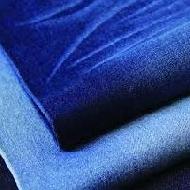
Source fabrics — cotton, silk, linen, wool, denim, viscose, blended, knitted and non-woven — from suppliers, manufacturers and exporters listed on Click4Exports for wholesale, bulk and export B2B procurement by composition, GSM and width.
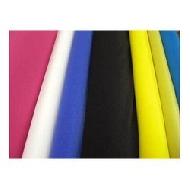
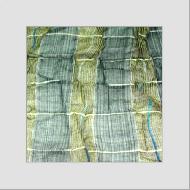
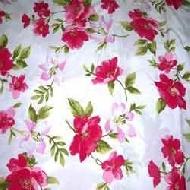
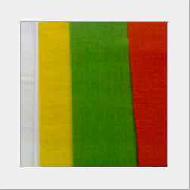
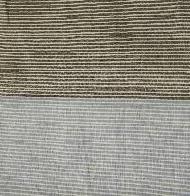
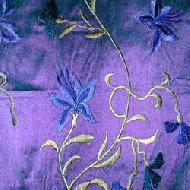
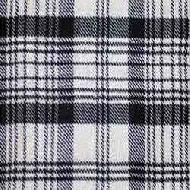
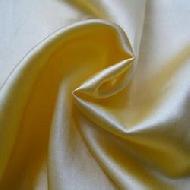
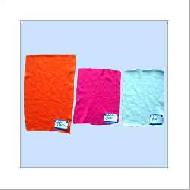
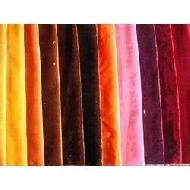
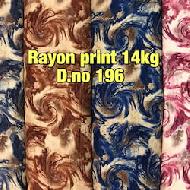
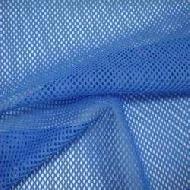
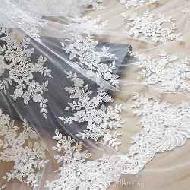
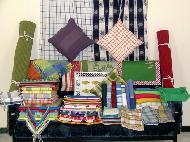
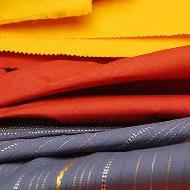
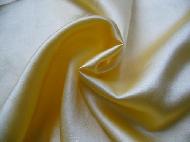
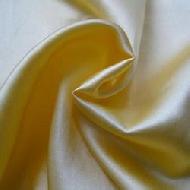
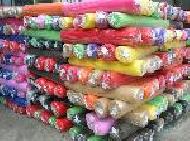
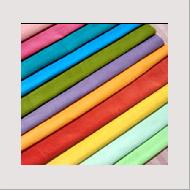
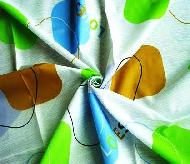
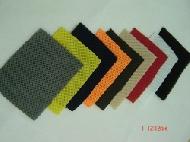
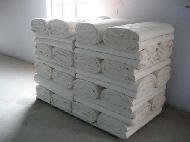
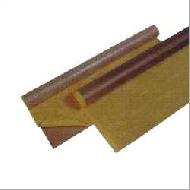
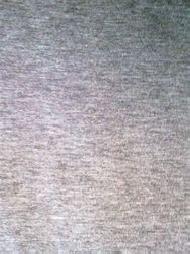
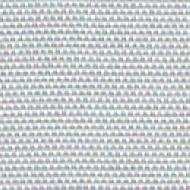
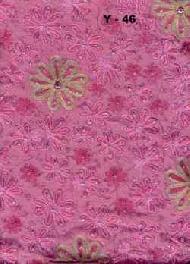
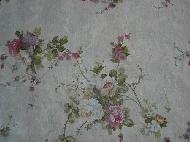
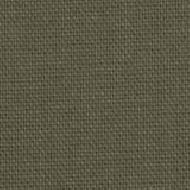
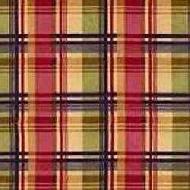
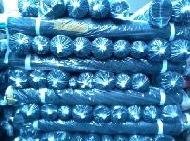
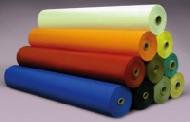
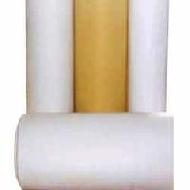
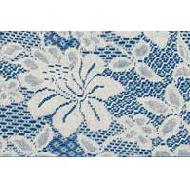
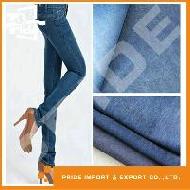
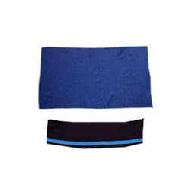
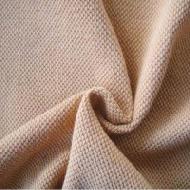
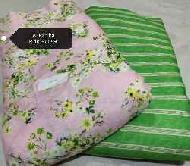
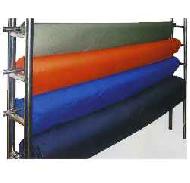
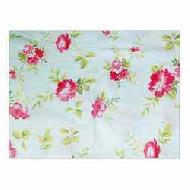
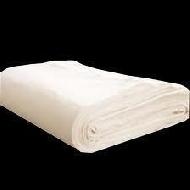
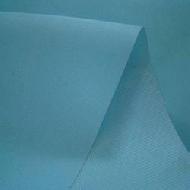
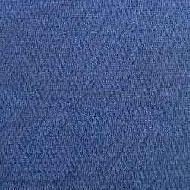
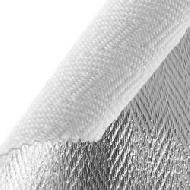
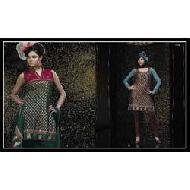
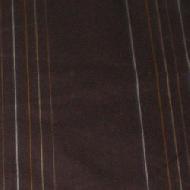
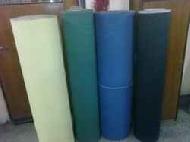
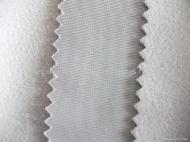
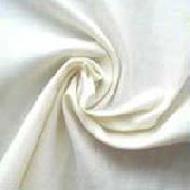
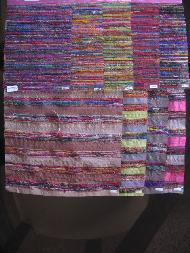
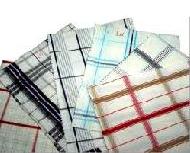
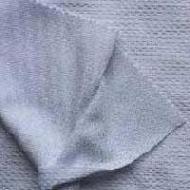
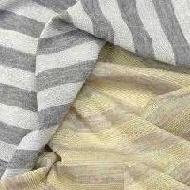
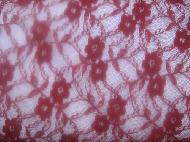
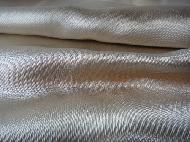
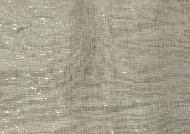
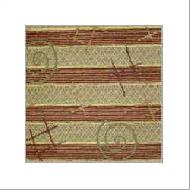
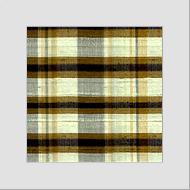
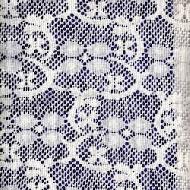
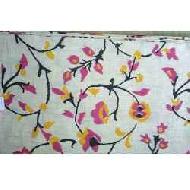
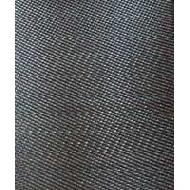
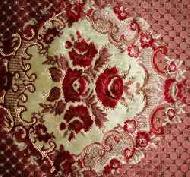
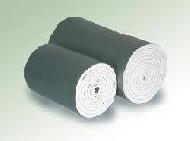
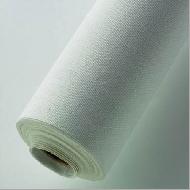
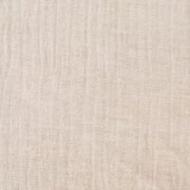
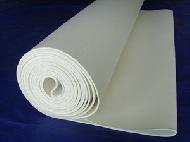
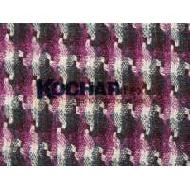
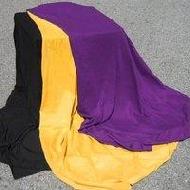
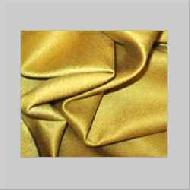
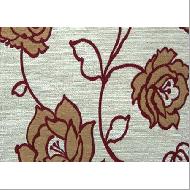
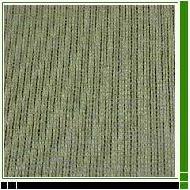
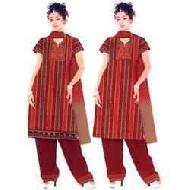
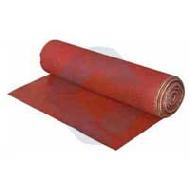
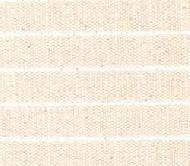
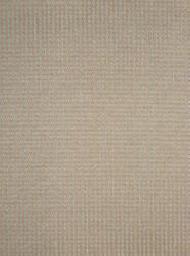
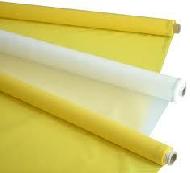
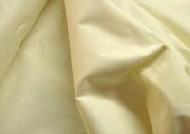
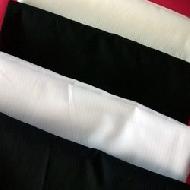
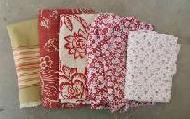
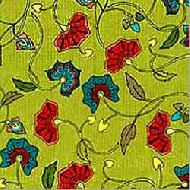
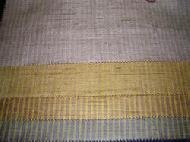
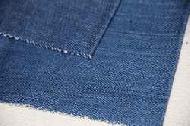
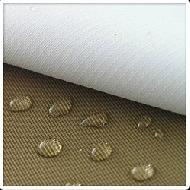
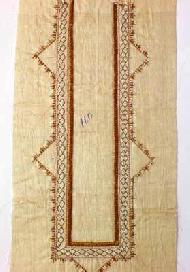
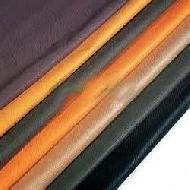
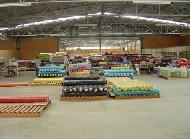
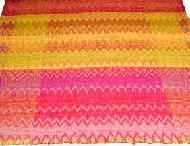
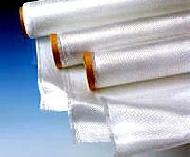
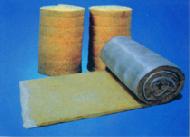
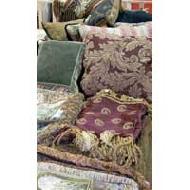
Fabrics are textile materials made by weaving, knitting or bonding fibres and yarns, supplied in rolls or pieces for garment production, home textiles, industrial and technical uses. On Click4Exports, the Fabrics category connects B2B buyers with suppliers, manufacturers and exporters of fabrics across natural, synthetic and blended compositions. Buyers can compare fabric types, constructions and specifications, share exact requirements and request quotations for wholesale, bulk and export volumes.
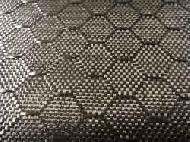
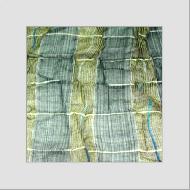
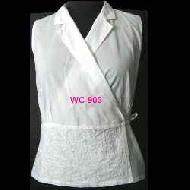
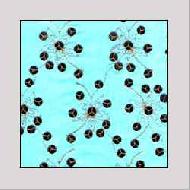
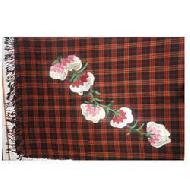
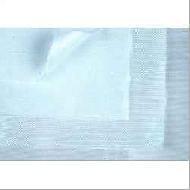
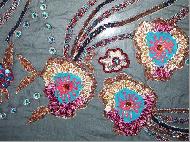
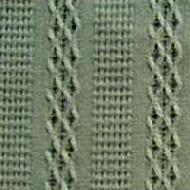
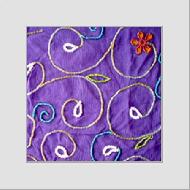
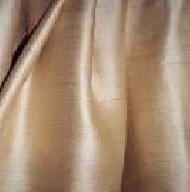
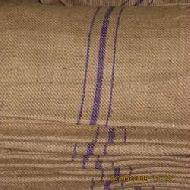
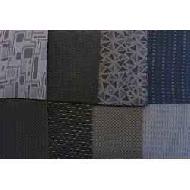
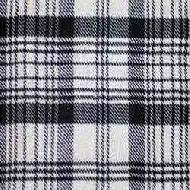
Fabrics are grouped by fibre composition and by how they are constructed. Identifying both makes it easier to shortlist the right supplier:
Within each type, buyers choose a specific construction, weight and finish to suit the end product.
Fabric pricing and suitability depend on construction and specification, not the fabric name alone. To receive accurate, comparable quotations, buyers should provide:
Fabrics are sourced by garment and apparel manufacturers, home-textile and furnishing producers, and industrial buyers needing technical or non-woven materials. Buyers range from garment factories and sourcing houses to importers, distributors and traders building a range.
The Fabrics category is aimed at B2B procurement — production supply, distributor stock and export orders. Buyers can request wholesale and bulk quantities, compare offers from multiple businesses, and discuss sampling, repeat supply and shipment terms. Where fabric is needed to a specification or under a buyer's own requirement, ask the supplier whether they support custom development or OEM production, as this varies by business.
Click4Exports lists fabric suppliers, manufacturers and exporters together, so buyers can shortlist by the fabrics offered and the role that fits their sourcing — trade supply, direct manufacturing or export. This sits within the wider Textiles & Fabrics range on Click4Exports, letting a buyer route a wholesale purchase or an export order to the businesses best suited to it.
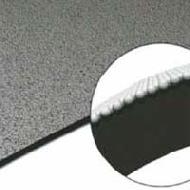
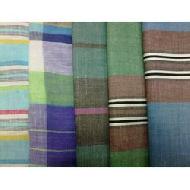
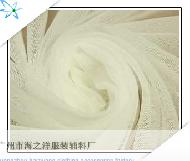
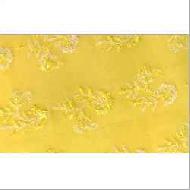
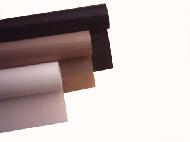
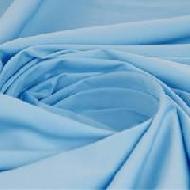
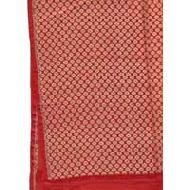
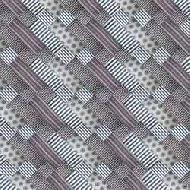
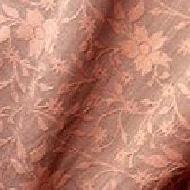
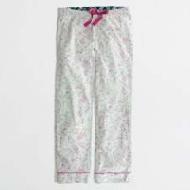
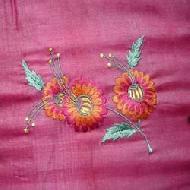
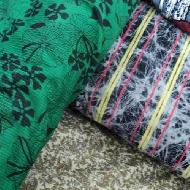
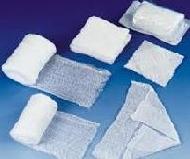
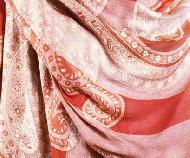
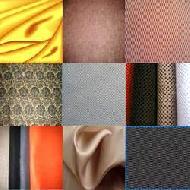
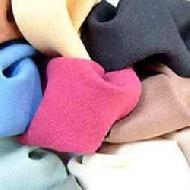
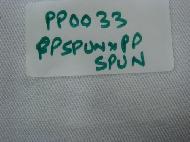
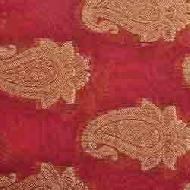
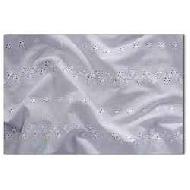
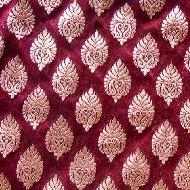
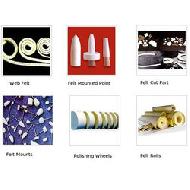
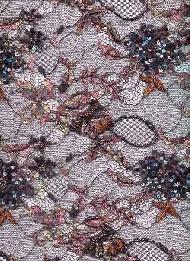
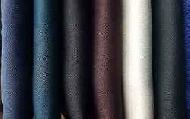
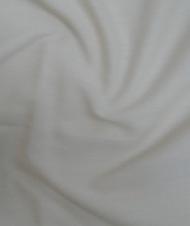
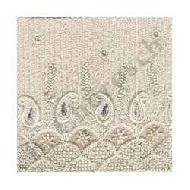
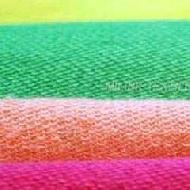
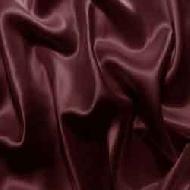
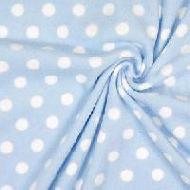
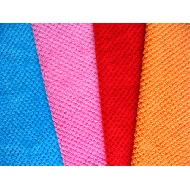
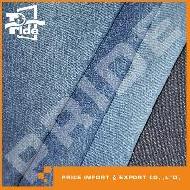
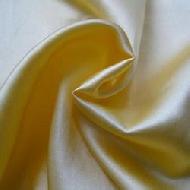
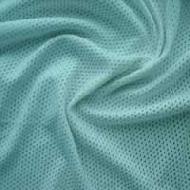
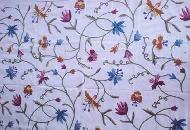
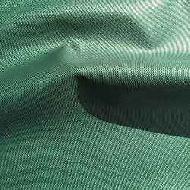
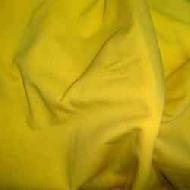
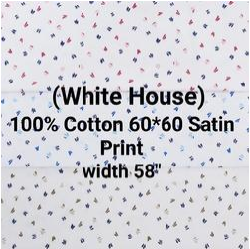
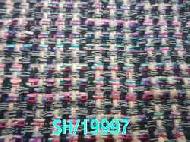
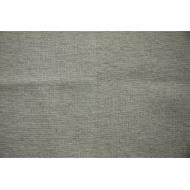
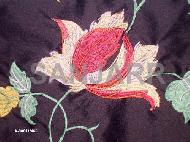
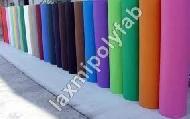
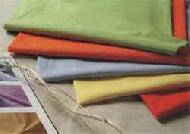
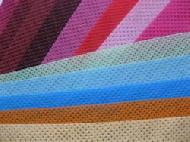
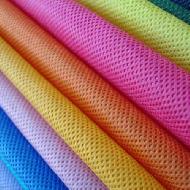
Buyers can source natural-fibre fabrics (cotton, silk, linen, wool), synthetic and man-made fabrics (polyester, viscose, nylon), blended fabrics such as poly-cotton and cotton-spandex, knitted fabrics, and non-woven or technical fabrics. Within each, construction, weight and finish vary, so confirm the exact specification with each supplier when requesting a quotation.
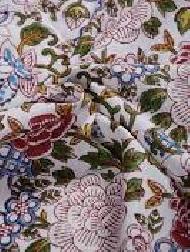
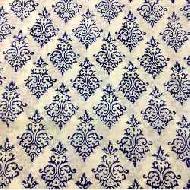
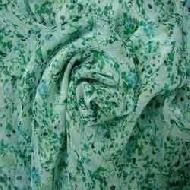
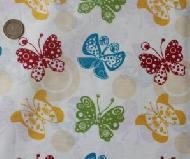
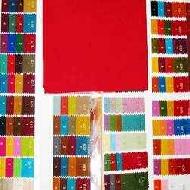
State the fibre composition, the construction (woven, knitted or non-woven) and structure, the weight in GSM, the width, and the finish, colour or print required. Add the quantity and any repeat-order or sampling need. These details let suppliers, manufacturers and exporters return accurate, comparable quotations.
GSM (grams per square metre) is a measure of fabric weight and is one of the key ways buyers specify fabric. A lighter or heavier GSM suits different applications — for example lighter shirting versus heavier upholstery or industrial fabric. Because the same fabric name can be offered across a GSM range, state the GSM you need and confirm it with the supplier.
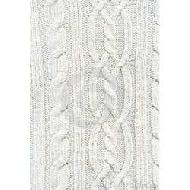
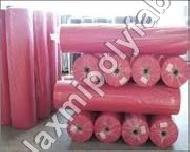
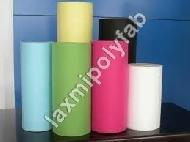
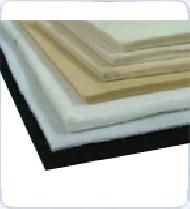
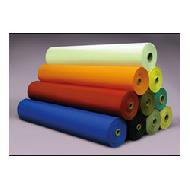
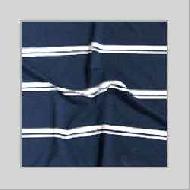
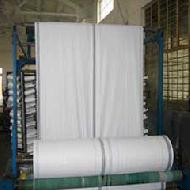
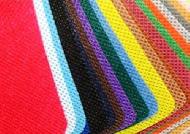
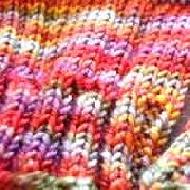
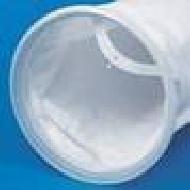
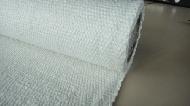
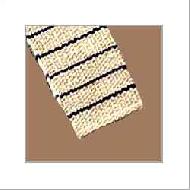
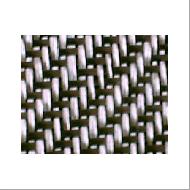
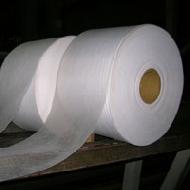
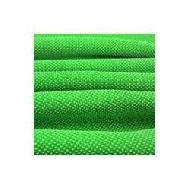
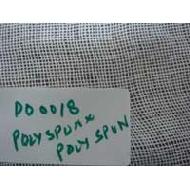
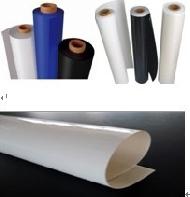
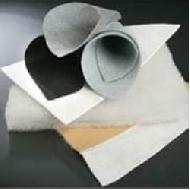
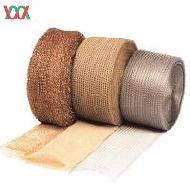
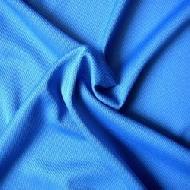
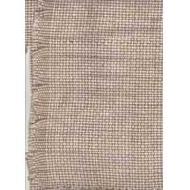
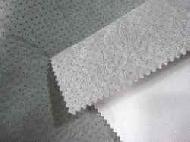
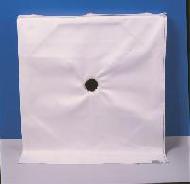
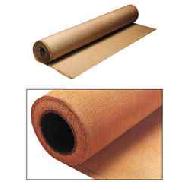
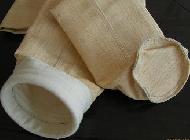
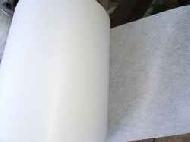
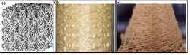
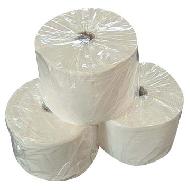
Woven fabrics are made by interlacing warp and weft yarns and are generally more stable; knitted fabrics are made from interlocking loops and offer stretch and softness; non-woven fabrics are bonded directly from fibres and are common in technical, filtration and packaging uses. The right construction depends on the end product, so describe the application to the supplier.
Match the supplier to the specific fabric, composition and construction you need, and confirm they can meet your GSM, width, finish and quantity. Ask about sampling, minimum order quantity, repeat-order consistency and export documentation for your market. Comparing offers from several suppliers on the same specification helps you shortlist fairly.
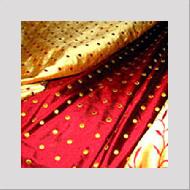
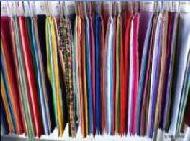
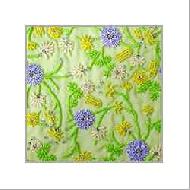
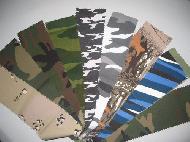
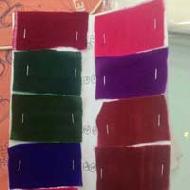
Many suppliers offer fabric in a range of compositions, weights, finishes, colours and prints, and some support custom development or OEM production. Capability, minimum order quantity and pricing vary by business, so ask the supplier whether they can produce to your specification and confirm sampling and lead-time terms before ordering.
Yes — the category is aimed at wholesale, bulk and export procurement, from sample lengths through to bulk rolls. Buyers can compare offers from suppliers, manufacturers and exporters and discuss packaging, shipment terms and documentation. Minimum order quantity, pricing and availability vary by business, so confirm these with each supplier.
Go Mobile


Connect with us