Product Detail
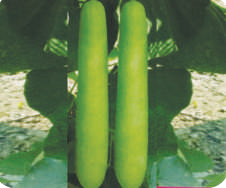
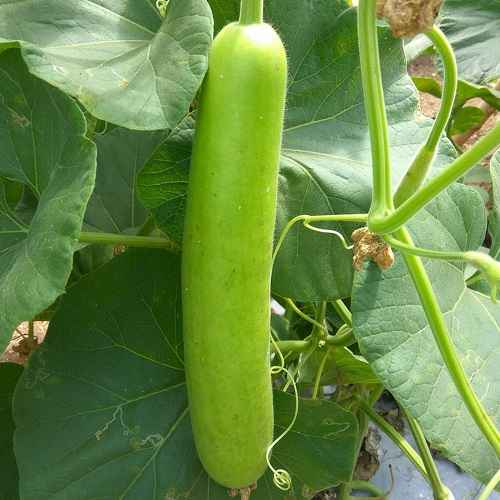
Bottle gourd, scientifically known as Lagenaria siceraria, is a vegetable belonging to the gourd family, Cucurbitaceae. Here's some information about bottle gourd: Botanical Classification: Bottle gourd belongs to the Cucurbitaceae family and the genus Lagenaria. Appearance: Bottle gourd is characterized by its elongated shape, smooth and light green skin, and mild white flesh. The size can vary, and it may have a curved or straight form. Flavor and Texture: Bottle gourd has a mild, slightly sweet flavor and a crisp, tender texture. The young and tender bottle gourds are preferred for consumption. Nutritional Content: Bottle gourd is low in calories and a good source of water. It contains small amounts of vitamins and minerals, including vitamin C, vitamin B, and potassium. Culinary Uses: Bottle gourd is a versatile vegetable used in various culinary preparations. It is commonly used in curries, stews, soups, and side dishes in many cuisines. In some regions, bottle gourd is used to make sweets, such as lauki ka halwa. Dietary Considerations: Bottle gourd is often included in diets for its low-calorie content and high water content. It is considered a good choice for those looking to manage weight or maintain hydration. Medicinal Uses: In traditional medicine, bottle gourd has been used for its potential health benefits. It is believed to have cooling properties and may be used in remedies for conditions like indigestion. Growing Conditions: Bottle gourd plants thrive in warm climates with well-drained soil. They are often grown in home gardens and are relatively easy to cultivate. Harvesting: Bottle gourds are typically harvested when they are young and tender for culinary use. If left to mature, they can become woody and less palatable. Other Names: Bottle gourd is known by various names in different regions, such as "lauki" or "doodhi" in India.