Product Detail
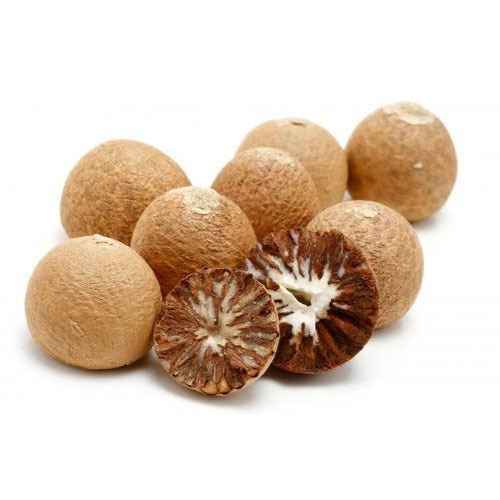
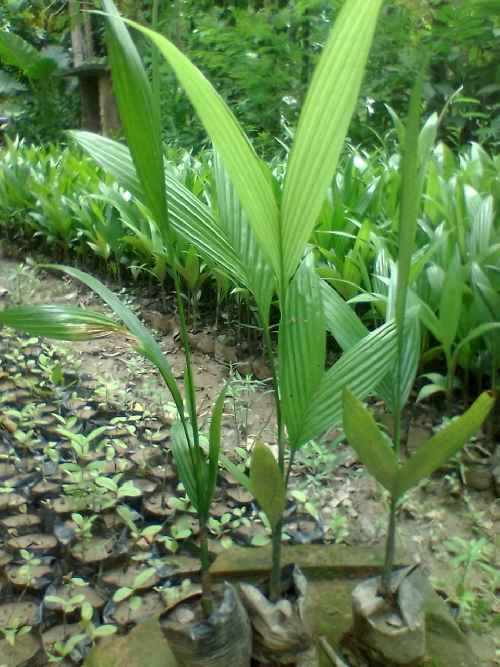
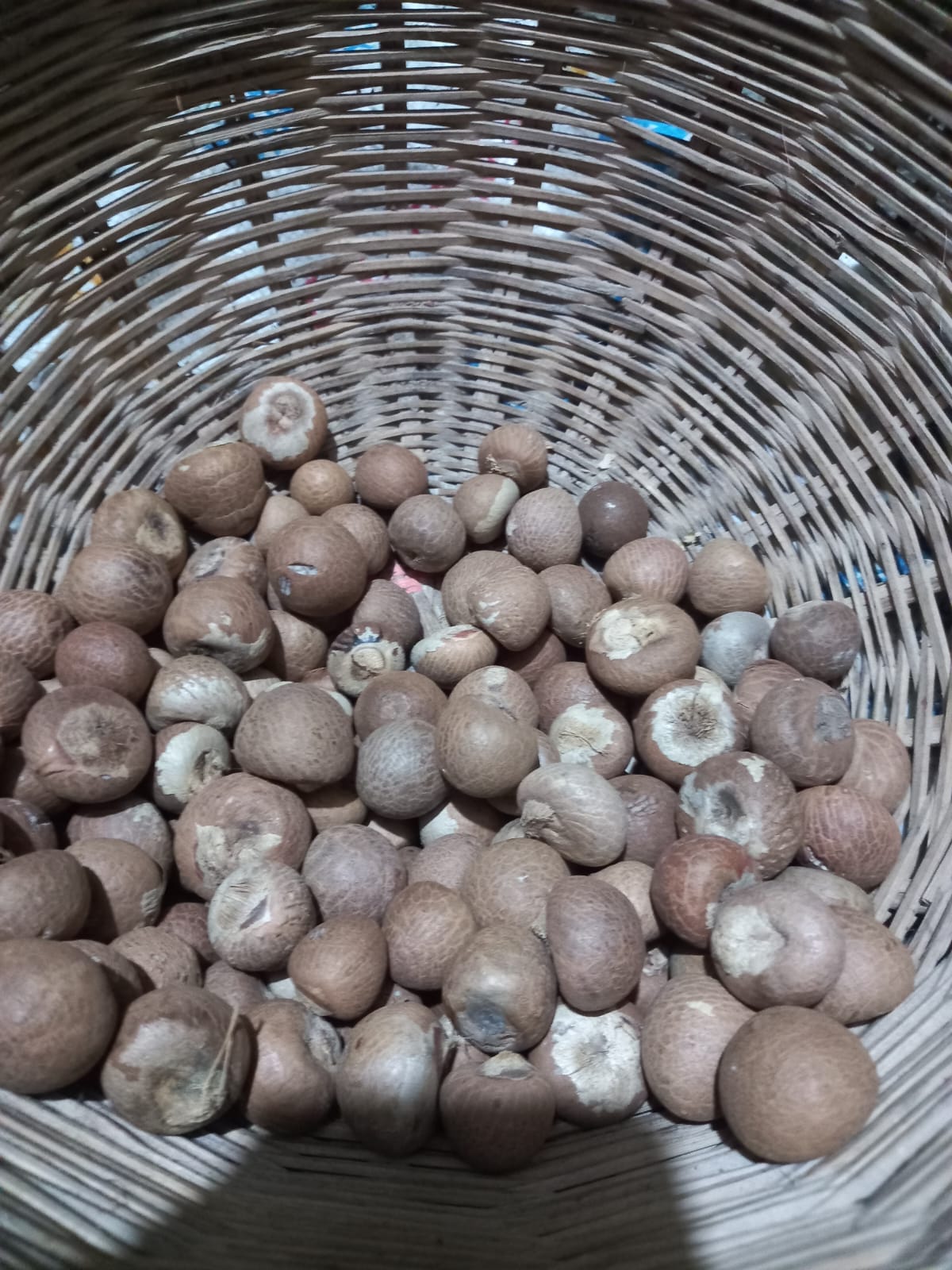
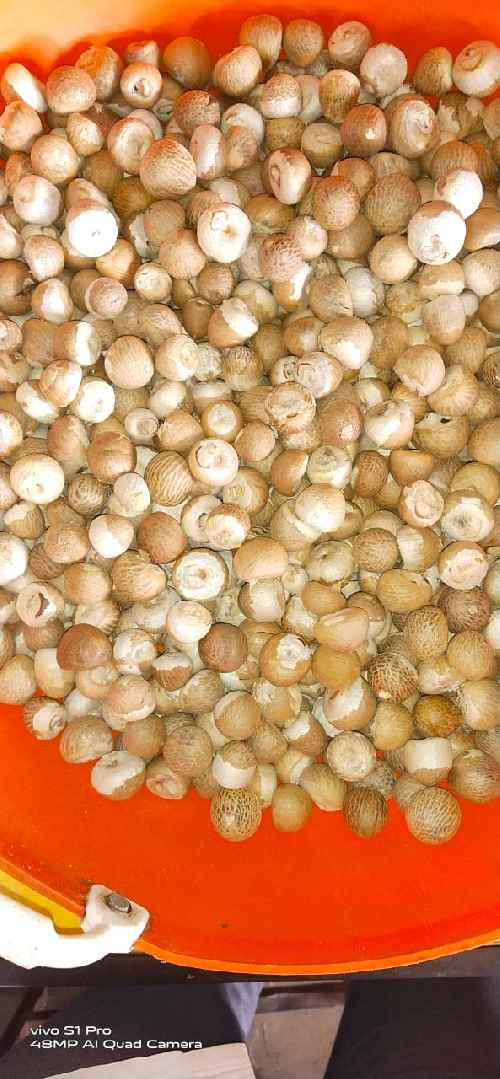
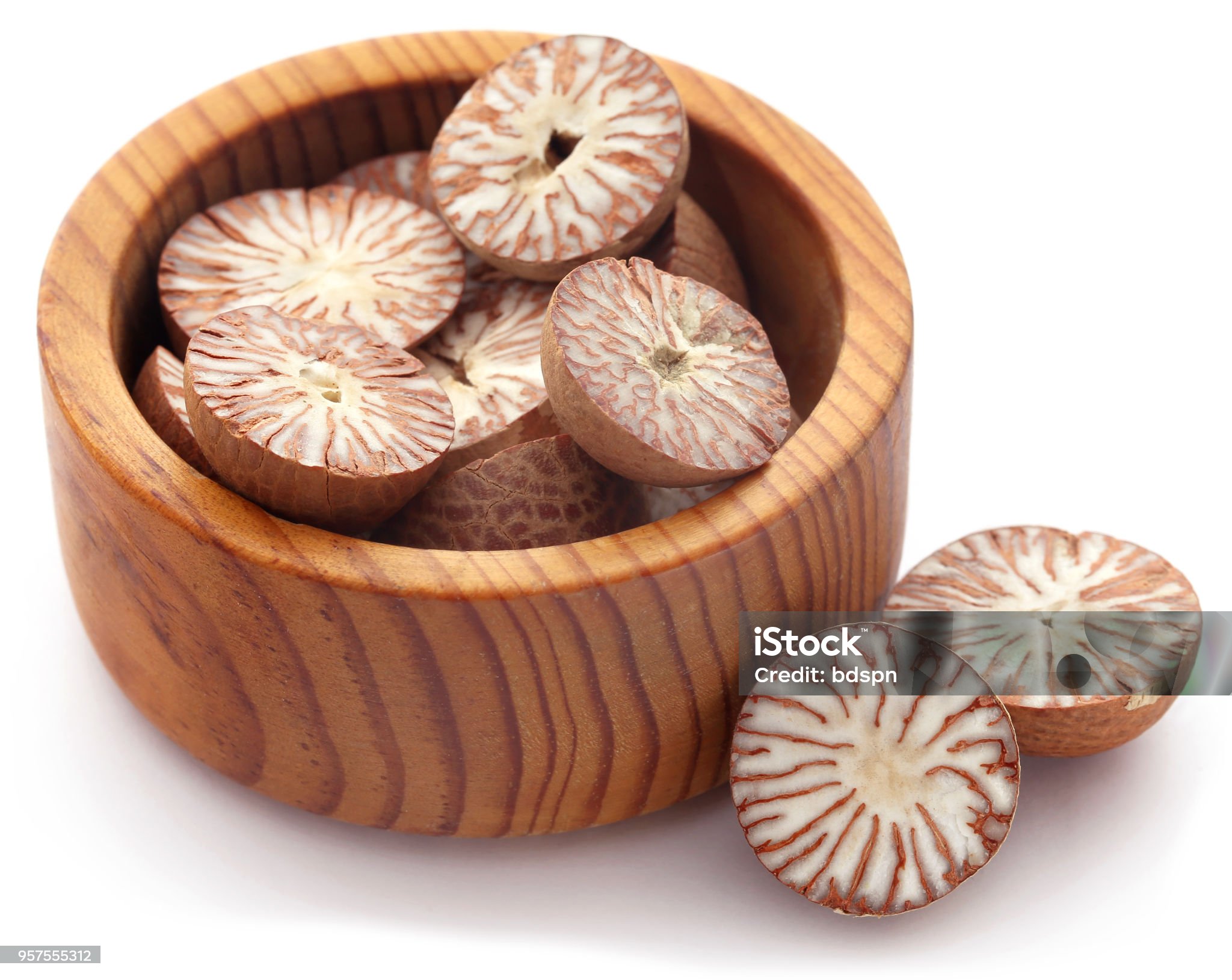
Betelnut – Roasted & Double Roasted Premium Quality Product Overview:Betelnut, also known as areca nut, is widely used across various industries, including chewing products, medicinal applications, and religious offerings. The roasted and double-roasted varieties are processed for enhanced flavor, texture, and extended shelf life. Key Features: Types: Roasted and Double Roasted Size: 1.5–3 cm in diameter Color: Dark brown to reddish-brown Aroma: Mildly nutty with a roasted fragrance Texture: Hard, crisp, and crunchy Uses: Chewing (pan masala, supari), herbal formulations, and traditional offerings Nutritional Benefits: Rich in alkaloids that provide a mild stimulant effect Contains tannins and antioxidants beneficial for digestive health Good source of fiber aiding in digestion Why Choose Our Betelnut? Superior Processing: Carefully roasted for the best flavor and longevity Premium Quality: Sourced from the best-growing regions Extended Shelf Life: Double-roasting enhances preservation Multiple Uses: Suitable for both traditional and commercial applications Primary Growing & Import Regions:Betelnut is cultivated in India, Indonesia, Thailand, Myanmar, and Sri Lanka, ensuring a steady and reliable supply for global markets The key differences between roasted and double-roasted betelnut are: Colour: Roasted Betelnut: Light to medium brown. Double-Roasted Betelnut: Dark brown to reddish-brown due to prolonged heat exposure. Texture: Roasted Betelnut: Firm and slightly crunchy. Double-Roasted Betelnut: Extremely hard and crisp, requiring more effort to chew. Aroma & Flavor: Roasted Betelnut: Mildly nutty with a subtle roasted aroma. Double-Roasted Betelnut: Stronger, more intense roasted flavor and aroma. Uses: Roasted Betelnut: Commonly used in chewing products like supari and pan masala. Double-Roasted Betelnut: Preferred for processing into flavored supari and industrial uses due to its extended shelf life and hardness. Here’s the moisture content for betel nuts in various forms: Fresh Betel Nut: Moisture Content: 15-20% Dried Betel Nut: Moisture Content: 8-10% (after sun-drying or other drying methods) Roasted Betel Nut: Moisture Content: 5-7% (roasting reduces moisture further) Double Roasted Betel Nut: Moisture Content: 3-5% (further reduction in moisture due to additional roasting) The moisture content decreases with each roasting stage, which helps in preservation and intensifies the nut’s flavor. Nutritional Values Betel nut, also known as areca nut, is a common stimulant and is often chewed wrapped in a betel leaf. It's popular in many parts of Asia, including India. Here's some information about its growing regions and nutritional value: Betel Nut Nutritional Value (per 100g): Calories: 190-200 kcal Protein: 2-3g Fat: 1-2g Carbohydrates: 45-50g Fiber: 10-15g Calcium: 200-300mg Iron: 2-3mg Phosphorus: 50-60mg Potassium: 1000-1500mg Magnesium: 70-100mg Source of Origin: Grown primarily in regions like Kerala, Karnataka, Assam, West Bengal, Tamil Nadu, and Odisha in India.
- Fastener Type Industrial Fastener
- Features Freshness, Good Quality
- Material Betel Nut
- Shape Round
- Size 1.5–3 cm diameter
- Thread Type Standard Thread

 Verified