-
Sign InSign InorJoin FreeShare your Requirement,
Get multiple quotes from sellers!
- Post Buy Requirement
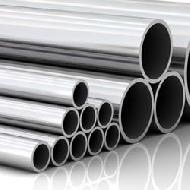
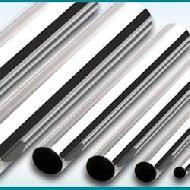
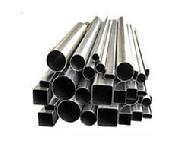
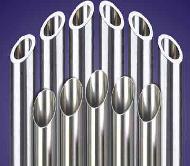
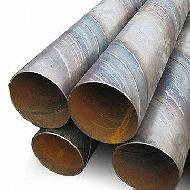
Source steel pipes and tubes for industrial, structural and fluid-handling use — including seamless and welded pipes, tubes and hollow sections — from suppliers, manufacturers and exporters listed on Click4Exports for wholesale and bulk B2B procurement.
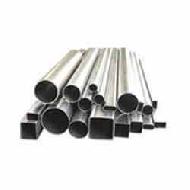
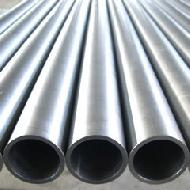
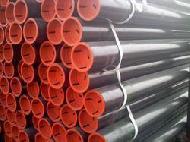
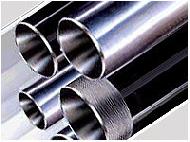
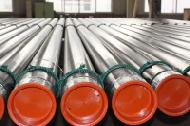
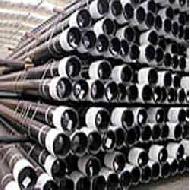
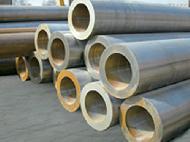
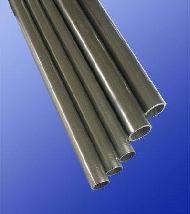
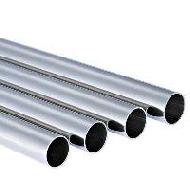
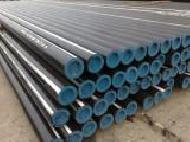
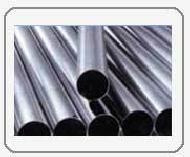
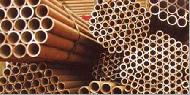
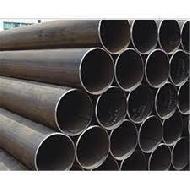
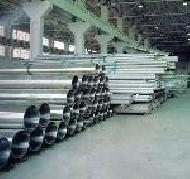
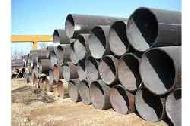
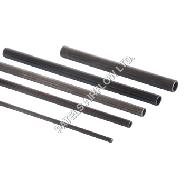
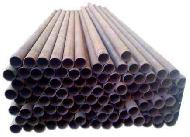
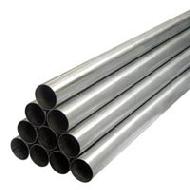
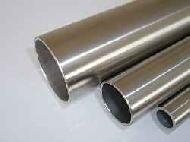
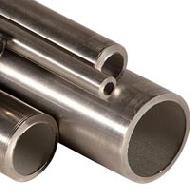
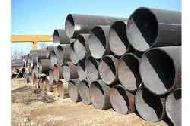
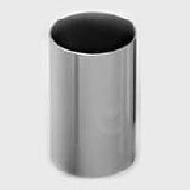
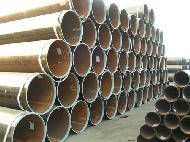
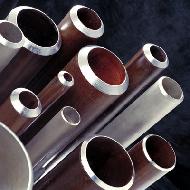
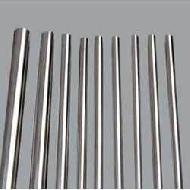
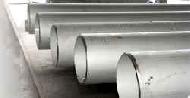
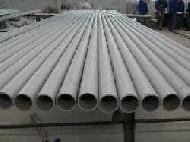
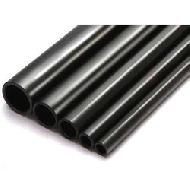
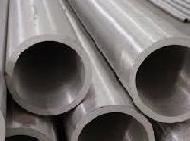
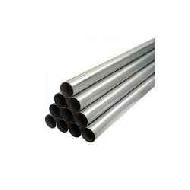
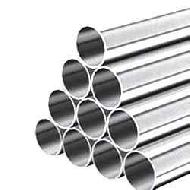
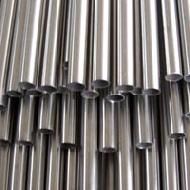
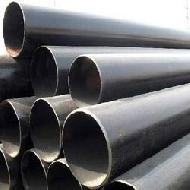
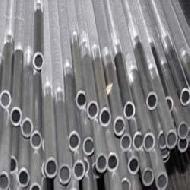
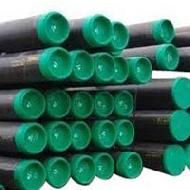
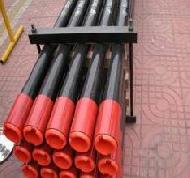
Steel pipes and tubes are hollow steel sections used to convey liquids, gases and other media, and to serve as structural, mechanical and precision members across industry. On Click4Exports this category groups steel pipe and tube products offered by suppliers, manufacturers and exporters, and sits within Industrial Supplies alongside related piping and fluid-handling product families.
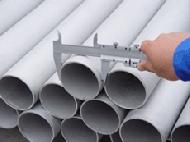
In sourcing terminology a pipe is usually identified by its nominal bore (NB) together with a schedule that indicates its wall-thickness class, while a tube is usually identified by its outside diameter (OD) and wall thickness. Both conventions matter when comparing offers, so buyers should confirm which one a supplier is quoting against before evaluating price.
Buyers sourcing this category typically encounter several distinct product families:
Because grades, coatings and dimensional ranges differ between manufacturers, buyers should confirm the available options for each product family rather than assume a uniform offering.
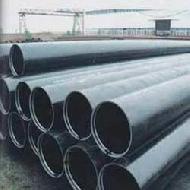
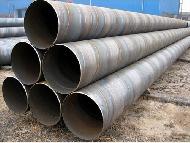
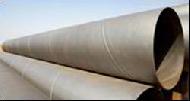
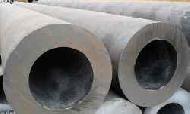
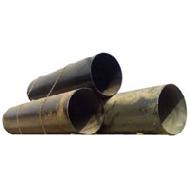
Seamless pipe is produced without a longitudinal weld, while welded pipe is formed from steel strip or plate and joined along a seam. The appropriate type depends on the required dimensions, service conditions, manufacturing requirements and buyer specifications, so buyers should confirm the suitable option with the supplier.
Steel pipes and tubes are produced in carbon steel, alloy steel and stainless steel, and within each there are many grades. Grade, wall thickness, tolerance and finish vary by manufacturer and by the standard a product is made to, so these should be confirmed with the supplier rather than assumed. Key dimensional inputs include:
Applications span water supply and plumbing, oil and gas, fire sprinkler and HVAC systems, structural and construction work, scaffolding and fencing, heat exchangers and boilers, automotive and furniture manufacturing, agriculture and irrigation, and general engineering and fabrication. Because the same nominal size can be supplied in different grades and wall thicknesses, buyers should match the product to the specific service rather than to the diameter alone.
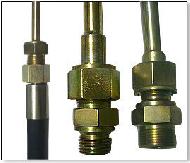
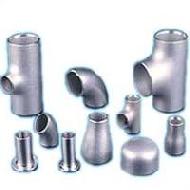
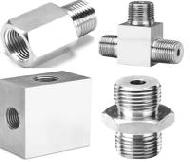
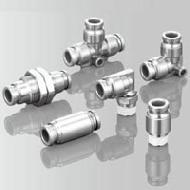
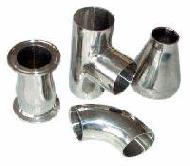
Steel pipes and tubes are the conveying and structural members of a piping system. They are joined, branched and terminated using industrial pipe and tube fittings, their flow is controlled with valves and valve fittings, and they are connected at bolted, removable joints using flanges and flanged fittings. Where a non-steel metal is required, buyers can compare aluminum, brass and bronze pipes. Keeping these product entities distinct helps buyers request the correct item for each part of a system.
To obtain accurate, comparable quotations from listed suppliers, manufacturers and exporters, buyers should provide as many of the following as apply:
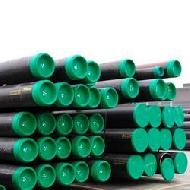
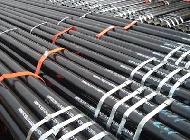
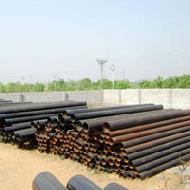
For wholesale and bulk procurement, steel pipes and tubes are commonly quoted by weight or in bundles, and buyers can compare listed suppliers, manufacturers and exporters on the specifications above. Before confirming an order, ask the supplier whether they can meet the required dimensions, grade, finish, packaging and documentation, and confirm these in writing.
Steel pipes and tubes are hollow steel sections used to convey liquids and gases and to act as structural, mechanical or precision components. In sourcing terms a pipe is generally identified by its nominal bore and a schedule (a wall-thickness class), while a tube is generally identified by its outside diameter and wall thickness. Both forms are produced in carbon, alloy and stainless steels and in seamless or welded types, so buyers should specify the form and dimensions that suit their application.
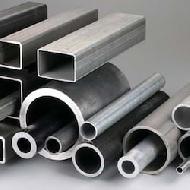
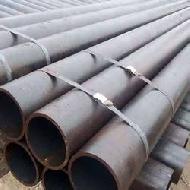
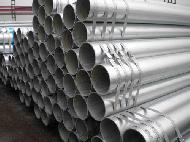
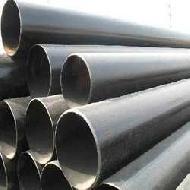
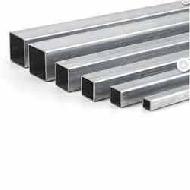
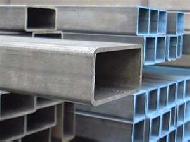
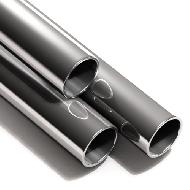
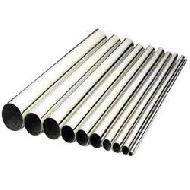
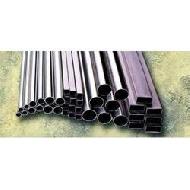
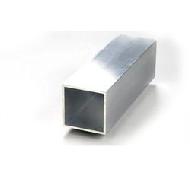
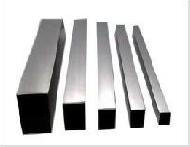
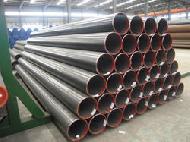
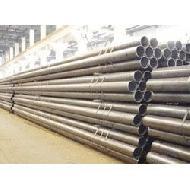
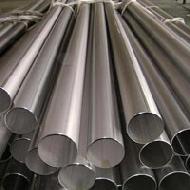
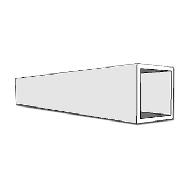
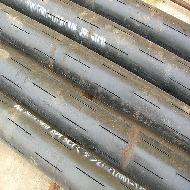
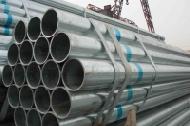
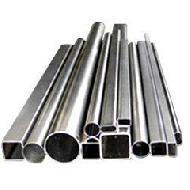
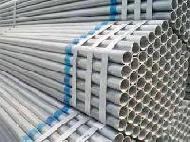
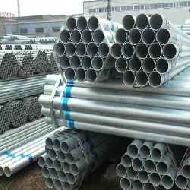
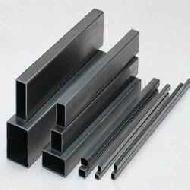
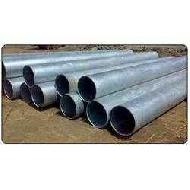
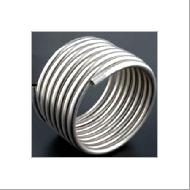
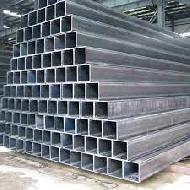
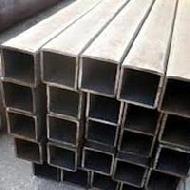
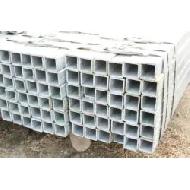
Commonly sourced types include seamless and welded pipes and tubes, structural hollow sections in round, square and rectangular profiles, galvanized (GI) and black mild steel (MS) pipes, stainless steel pipes and tubes, and specialised tubes such as boiler, heat exchanger and precision tubes. Available grades, coatings and sizes differ between suppliers, so confirm the exact options for the type you need. Where a non-metallic option suits the service, buyers can also compare PVC, FRP, HDPE and plastic pipes.
Seamless pipe is produced without a longitudinal weld, while welded pipe is formed from steel strip or plate and joined along a seam. The appropriate type depends on the required dimensions, service conditions, manufacturing requirements and buyer specifications, so buyers should share their requirements and ask the supplier to confirm which manufacturing type is suitable.
For an accurate quotation, provide the product type (seamless or welded and the steel material), the nominal size or outside diameter, the wall thickness or schedule, the length, the surface condition or finish, the end condition, the intended application and media, and the quantity as weight or number of pieces or meters. Include any standard, test certificate or documentation you require. Supplying these details lets listed suppliers, manufacturers and exporters quote on a comparable basis.
Pipe is usually selected by nominal bore together with a schedule that defines the wall-thickness class, while tube is selected by outside diameter and wall thickness. The required combination depends on the intended application and service requirements, since the same size can be supplied in different wall thicknesses and grades. Buyers should state the service conditions and ask the supplier to confirm the size, schedule or wall thickness and grade appropriate for the requirement.
Before ordering, confirm the material grade, dimensions and tolerances, wall thickness or schedule, surface finish or coating, and end condition. Ask the supplier whether they can provide any required test certificate or documentation, how the pipes or tubes are packaged and bundled for transport, and whether they can meet the quantity and delivery you need. Confirming these points in writing helps avoid mismatches between the quotation and the delivered product.


Connect with us