-
Sign InSign InorJoin FreeShare your Requirement,
Get multiple quotes from sellers!
- Post Buy Requirement
Source energy and power products including solar equipment, energy storage batteries, biomass and biofuels, fossil fuel, petroleum products, wind energy and power distribution equipment from suppliers, manufacturers and exporters for B2B procurement.
The Energy & Power category on Click4Exports brings together products used for energy generation, storage, distribution and fuel or energy supply. Buyers can explore dedicated subcategories based on the type of energy product or power requirement and connect with relevant suppliers, manufacturers and exporters.
The category is organised into nine distinct subcategories, each covering a different part of the energy and power supply chain.
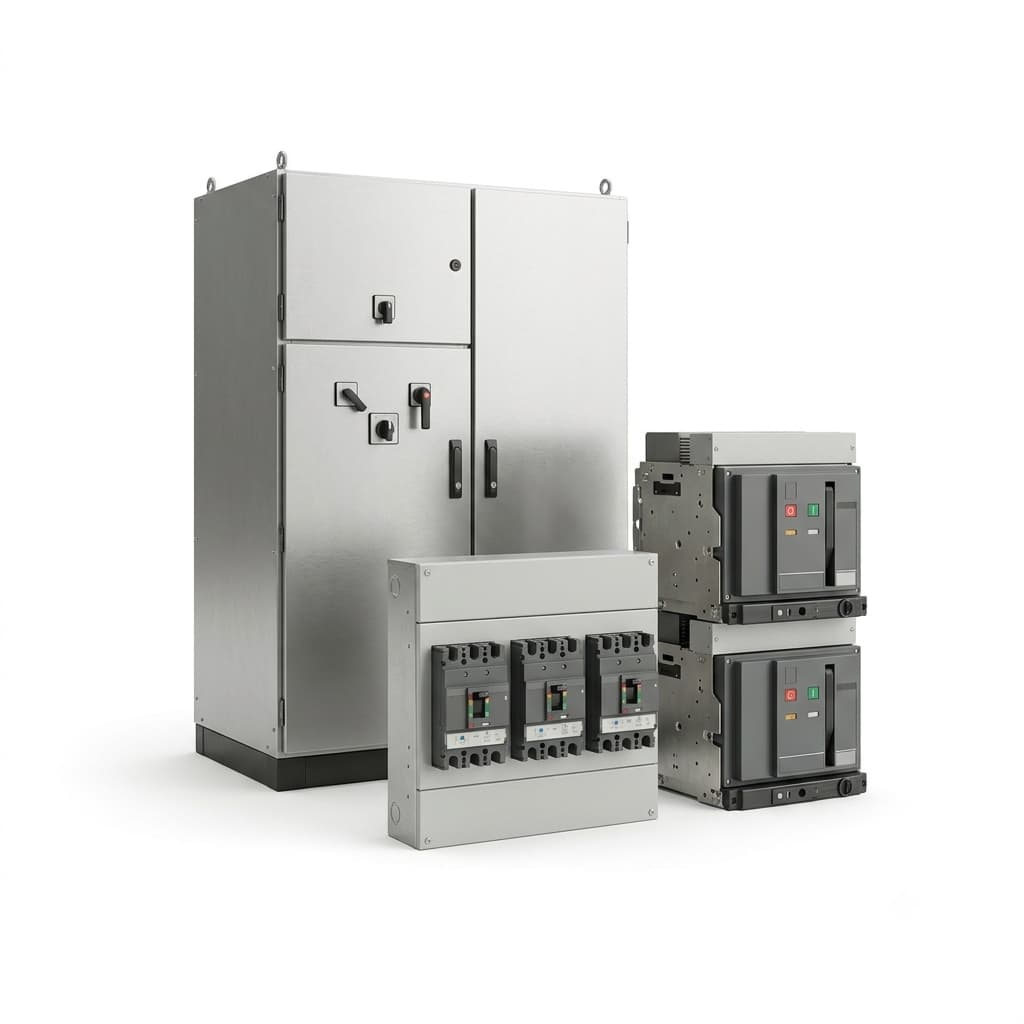
The products in this category serve different roles. Generation-related products include solar panels, wind turbines, fuel cells and power generation plants. Energy Storage products such as batteries and lithium batteries store energy for later use rather than generating it. Power Distribution Equipment includes products used to distribute or manage electrical power, while fuel and energy-source categories cover biomass, biofuels, fossil-fuel products and petroleum supplies.
Because the same type of product can have different specifications and applications, buyers should identify the exact product requirement before requesting quotations rather than relying only on a broad category name.
Technical and commercial requirements vary by product. Depending on the item, buyers may need to confirm the applicable voltage, current, wattage, power or energy capacity, dimensions, fuel or energy source, compatibility and intended application. Where a product has a defined technical rating such as kW, kVA, Ah or kWh, buyers should request the exact specification of the quoted model from the supplier.
For solar and power systems, buyers should also confirm the system configuration and compatibility with the equipment already installed or planned for the project. Where applicable, ask the supplier to confirm whether the system is intended for on-grid, off-grid or hybrid use.
Energy and power procurement can involve individual products, replacement requirements, bulk orders or project quantities. Buyers should provide the product specification, required quantity, application and delivery location when requesting a quotation. It is also useful to confirm minimum order quantity, availability, lead time, packaging, shipping terms, warranty and after-sales support where relevant.
The category can serve solar installers, renewable-energy businesses, EPC and project teams, power and infrastructure companies, industrial procurement teams, distributors, wholesalers, importers and exporters. Product suppliers and installation or EPC providers may be different businesses, so buyers should confirm the exact scope of supply, installation, commissioning, maintenance and after-sales support before engaging a provider.
Buyers can explore the relevant subcategory, compare listed businesses and submit enquiries based on their required product, specification, quantity and delivery requirements.
Buyers can source products across nine Energy & Power subcategories, including Solar Power Products, Energy Conservation Products, Renewable Energy, Wind Energy, Energy Storage, Biomass and Biofuels, Fossil Fuel, Petroleum Products & Supplies and Power Distribution Equipment. Buyers can select the subcategory that most closely matches their product or project requirement.
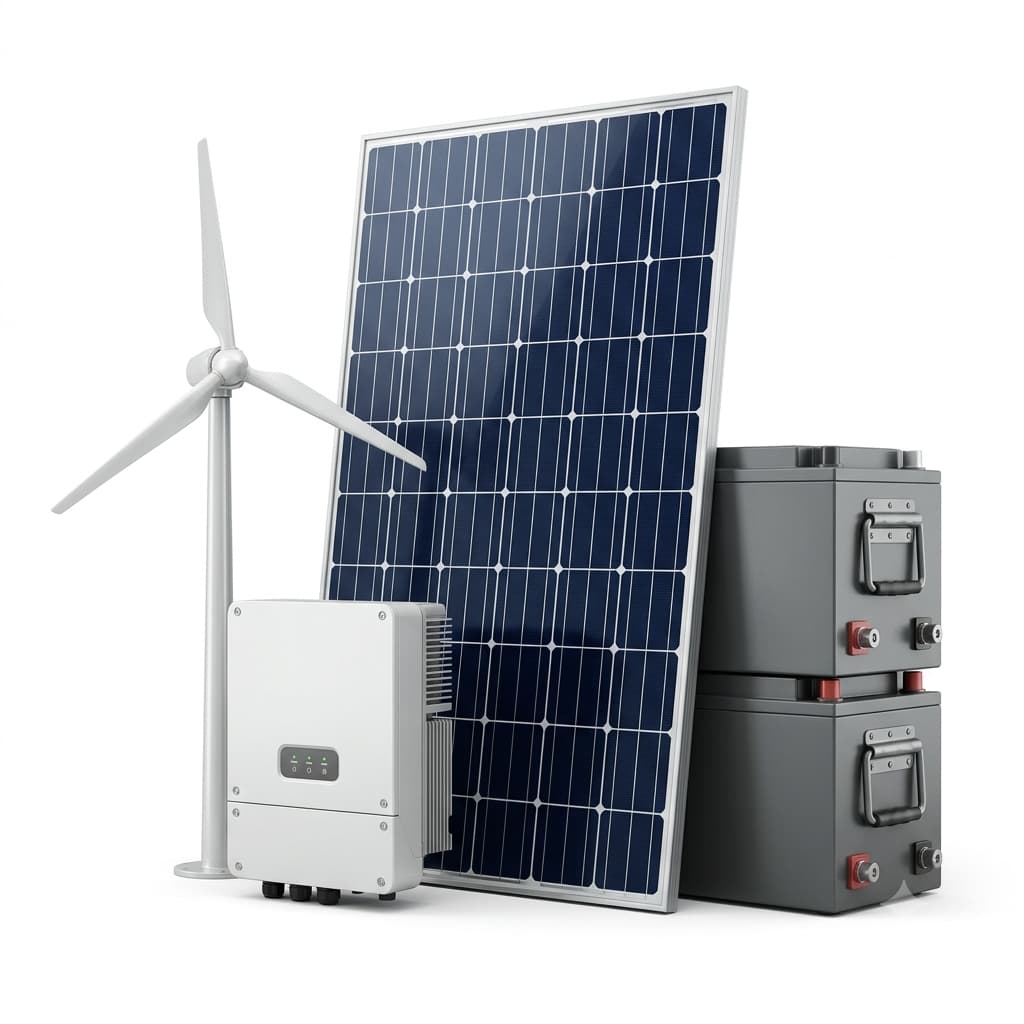
Power generation products are used to produce electrical power from an energy source or generation process, while energy storage products hold energy for later use. Generation-related products in the category include solar panels, wind turbines, fuel cells and power generation plants. Energy Storage includes batteries, lithium batteries, inverter batteries and battery chargers. Buyers should confirm the exact function, capacity and intended application of a product with the supplier before ordering.
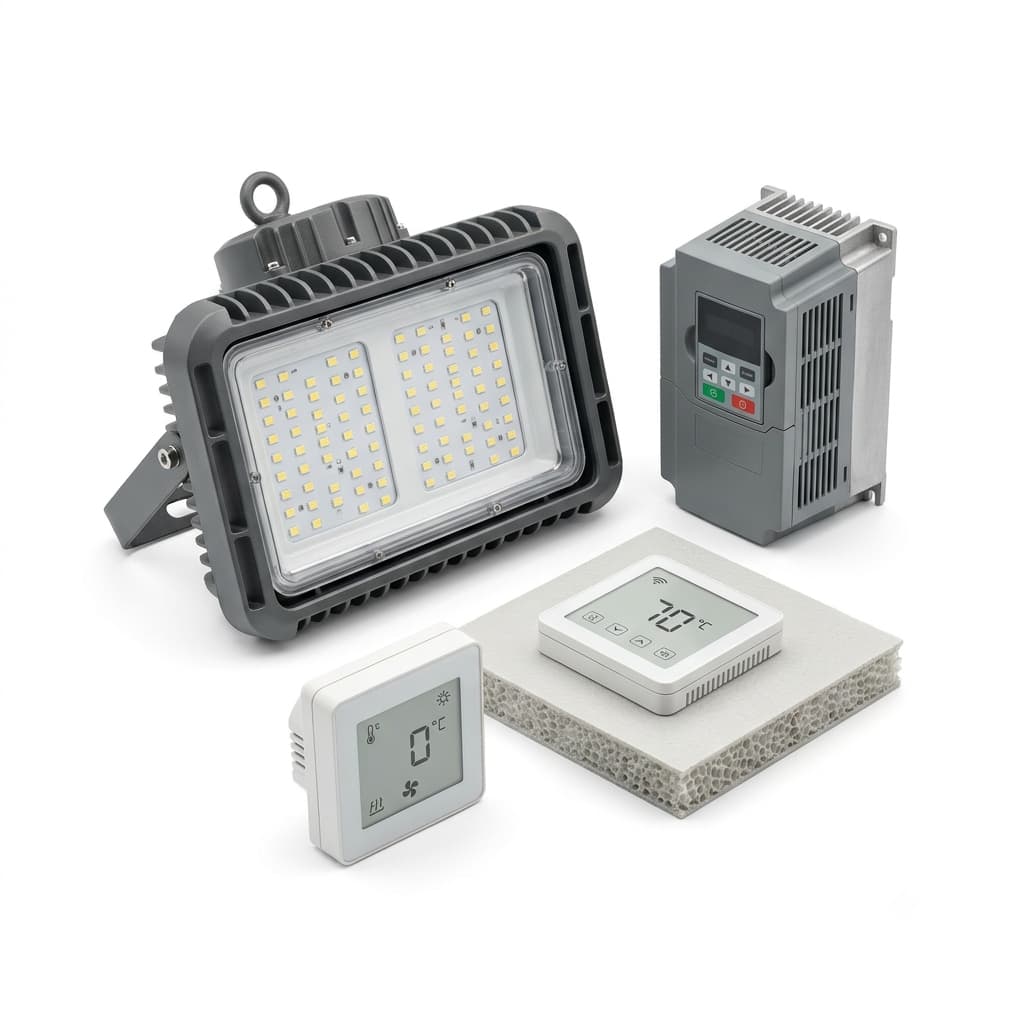
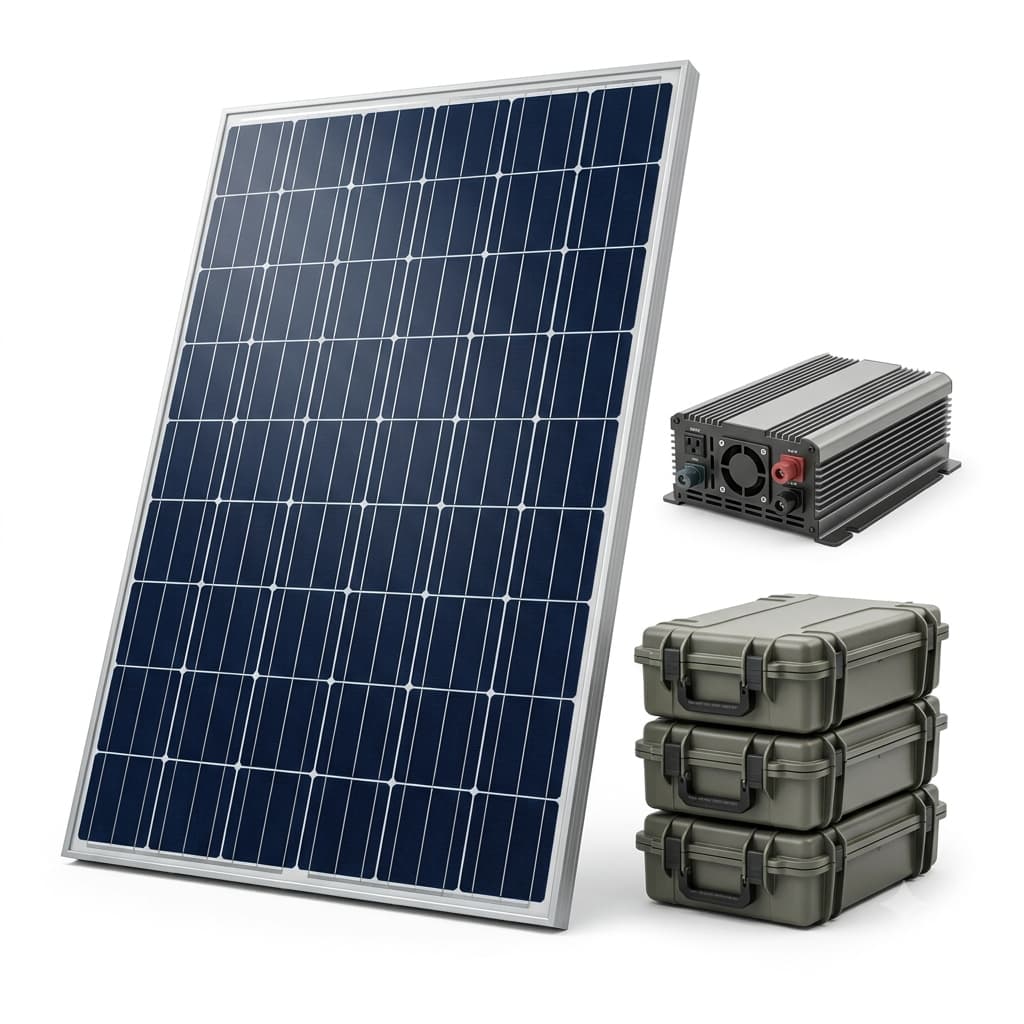
Solar-related products are available across Solar Power Products and Energy Conservation Products. Listed products include solar heaters, solar water heaters, solar inverters, solar controllers, solar charge controllers, solar systems, solar panels, solar street lights, solar LED lights and solar power plants. Buyers should confirm the exact model, technical specification, system configuration and compatibility requirements with the supplier before purchasing.
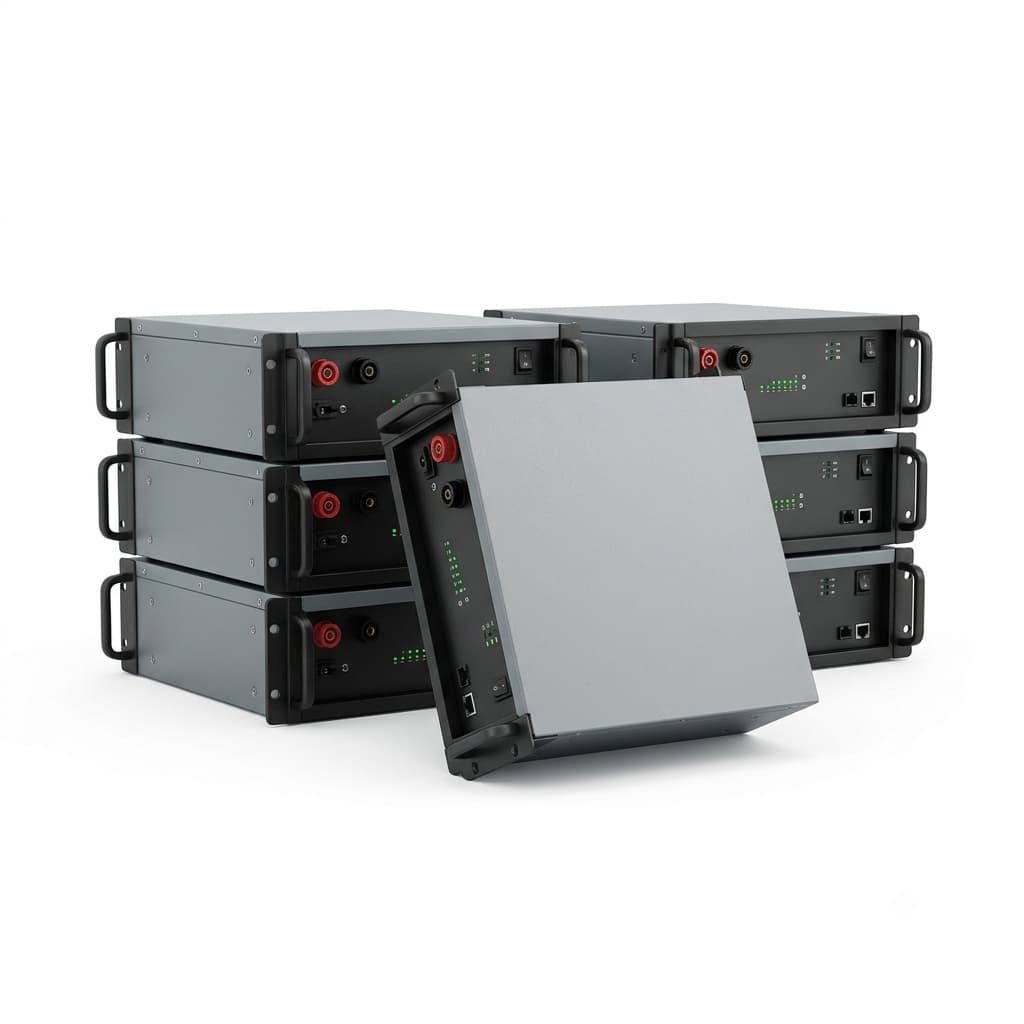
The Energy Storage subcategory includes batteries, lithium batteries, inverter batteries, electric batteries and battery chargers. Buyers should confirm the battery type, nominal voltage, capacity, application, compatibility, operating requirements and warranty terms for the specific product being offered. Specifications can vary significantly between models and suppliers.
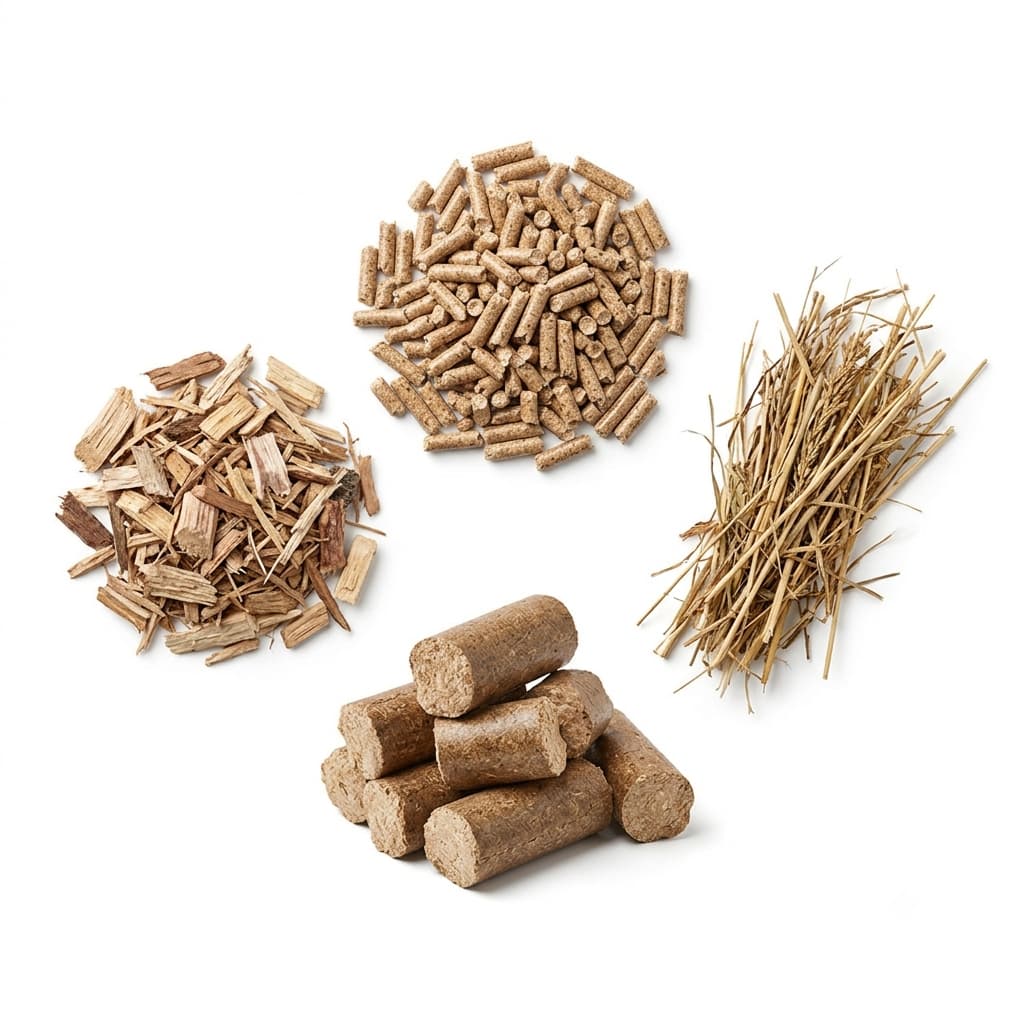
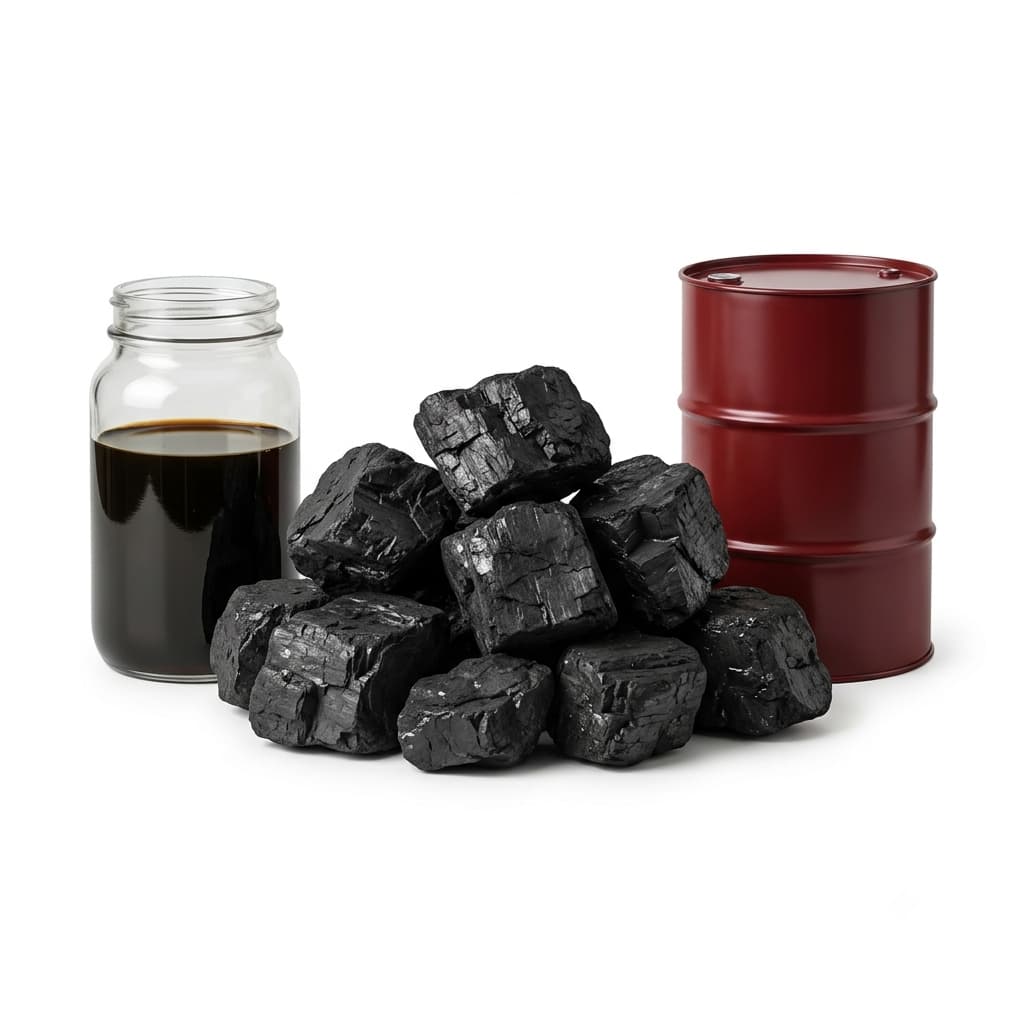
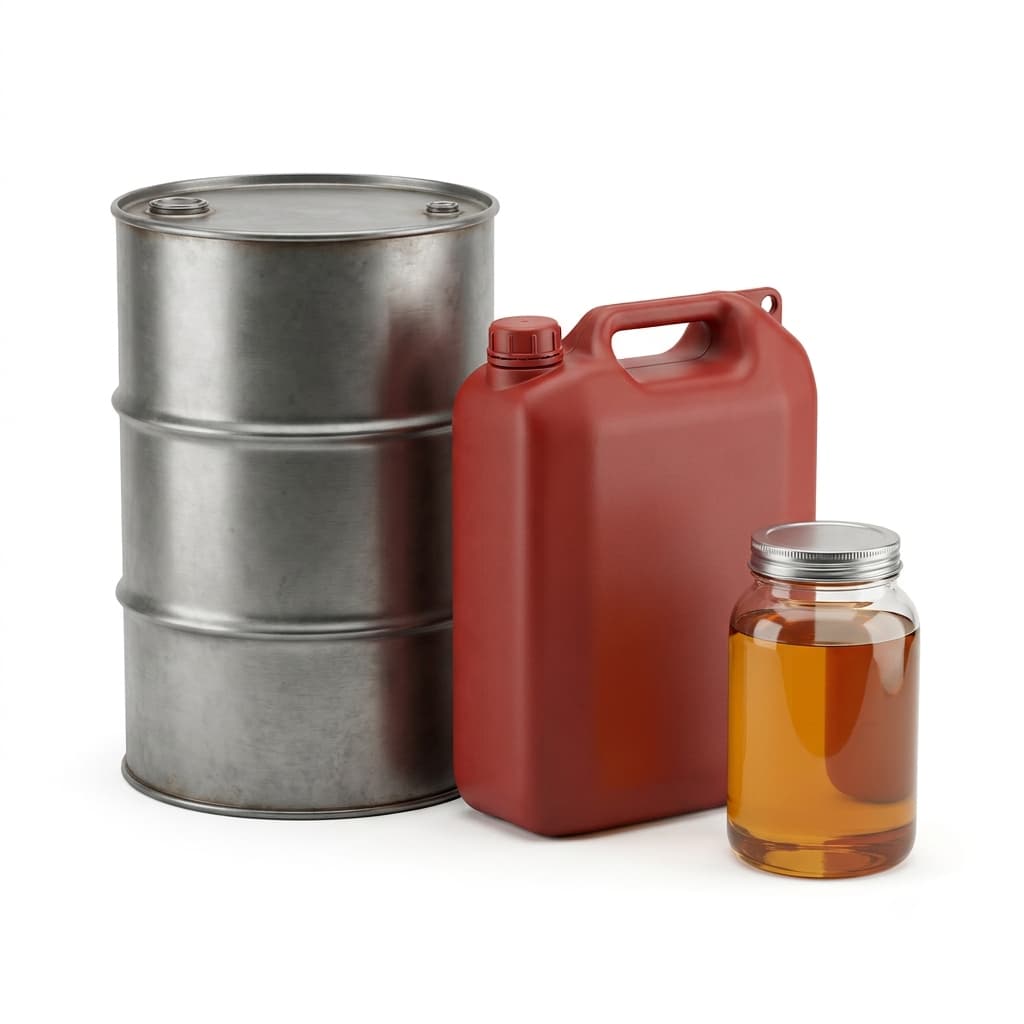
Biomass and Biofuels includes products such as biogas, biomass briquettes, biofuel briquettes, ethanol and biodiesel. Fossil Fuel covers listed coal and fuel products, while Petroleum Products & Supplies includes products such as aviation fuel, gasoline fuel, mazut fuel, chafing fuel and solid fuel. Buyers should confirm the exact product grade, specification, origin, packaging, documentation and destination-market requirements directly with the supplier.
Before placing a bulk order, provide the supplier with the required product, quantity, application and technical specification. Depending on the product, confirm the applicable voltage, current, wattage, power or energy capacity, dimensions, compatibility and system configuration. For solar or power systems, confirm whether the intended configuration is on-grid, off-grid or hybrid where relevant. Buyers should also agree minimum order quantity, lead time, packaging, shipping, warranty and after-sales terms with the supplier.
Start by selecting the subcategory that matches your requirement, such as Wind Energy, Energy Storage or Power Distribution Equipment. Buyers can review the businesses listed under the relevant category and contact suppliers, manufacturers or exporters with their product specification, quantity, application and delivery requirements. Buyers can also submit a buying requirement where available to receive relevant supplier responses.
Include the exact product or subcategory, required specification or model, energy source where relevant, capacity or rating, intended application, quantity and delivery location. Depending on the product, also specify compatibility requirements, applicable certification or documentation requirements, installation or commissioning needs, packaging, lead time and warranty expectations. Providing a detailed requirement helps suppliers determine whether they can meet the technical and commercial terms of the enquiry.


Connect with us